Friday the 13th: 7 Eerie London Superstitions Still Whispered Today
On Friday the 13th, we delve into the eerie world of London's creepy superstitions, from the ravens of the Tower to haunting tales of the Black Dog of Newgate. In a city steeped in centuries of history, it is no surprise that a collection of frightening folktales has emerged over the years. While some dismiss these as silly superstitions not worth the time of day, others abide by them religiously, weaving them into the fabric of daily life. Here are seven of the most spine-tingling beliefs that Londoners still whisper about today.
1. The Ravens of the Tower of London
Legend has it that if the ravens ever leave the Tower of London, the kingdom will fall. To prevent this catastrophic event, at least six ravens are meticulously kept at the Tower, with their wings clipped to ensure they cannot fly away. This superstition dates back centuries, and the ravens are revered as guardians of the monarchy, symbolizing protection and continuity for the nation.
2. The Curse of the London Stone
This mysterious stone, embedded in a wall on Cannon Street, is believed to be a Roman relic that holds the fate of London. The superstition asserts that as long as the stone remains safe and undisturbed, London will prosper. Removing or damaging it is thought to bring disaster, leading to careful construction practices around it to avoid any potential calamity.
3. Touching the Nose of Lucky Saint Paul’s Cathedral Statue
Inside St. Paul’s Cathedral, a statue of St. Paul holding a sword has gained a reputation as a good luck charm. Many believe that touching the nose of the statue brings good fortune. Though primarily known by locals, this little-known superstition has become a cherished ritual among those who frequent the cathedral, adding a touch of mystique to their visits.
4. The Black Dog of Newgate
The Newgate prison, long since demolished, was said to be haunted by a spectral black dog. This omen of misfortune or death was often witnessed by prisoners and guards alike. To this day, stories persist that the ghost of the black dog roams near Old Bailey and the remains of Newgate, symbolizing doom for anyone who encounters it, keeping the legend alive in the city's darker corners.
5. Don’t Step on a Plague Pit
London’s underground is peppered with plague pits, mass graves from the Black Death and later outbreaks. Many Londoners avoid stepping on known plague pit sites or even refuse to live near them, fearing misfortune, illness, or ghosts. There is a widespread belief that building on these sites brings bad luck, and some locations are marked to honor the souls who perished, serving as somber reminders of the past.
6. The Changing of Big Ben’s Clock Face
If Big Ben’s clock stops or its time is altered, it is considered a bad omen. There have been rare instances when the clock stopped, coincidentally aligning with significant events, which has fueled a superstition that changes to Big Ben’s time signal impending disaster for the city. This belief underscores the symbolic importance of the iconic clock in London's collective consciousness.
7. Ring, a ring o’ roses at Highgate Cemetery
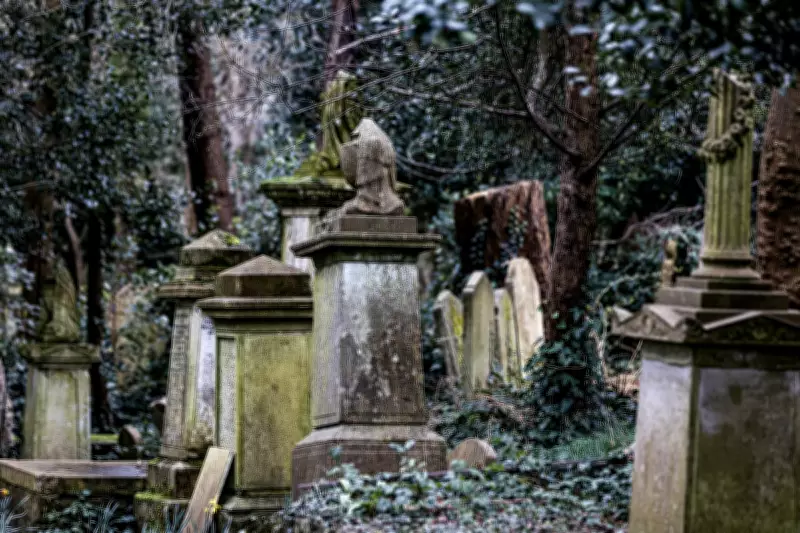
Highgate Cemetery, a famous resting place with elaborate tombs, is steeped in superstition. The children’s rhyme Ring, a ring o’ roses, often associated with the plague, is sometimes whispered by visitors who believe doing so will honor the deceased and prevent spirits from following them home. Some even claim that hearing it spontaneously serves as a warning of bad luck, adding an eerie layer to the cemetery's atmosphere.
These seven superstitions highlight the enduring power of folklore in London, blending history with mystery. Whether you view them as mere tales or guiding beliefs, they continue to shape the city's cultural landscape, whispered in hushed tones on days like Friday the 13th.