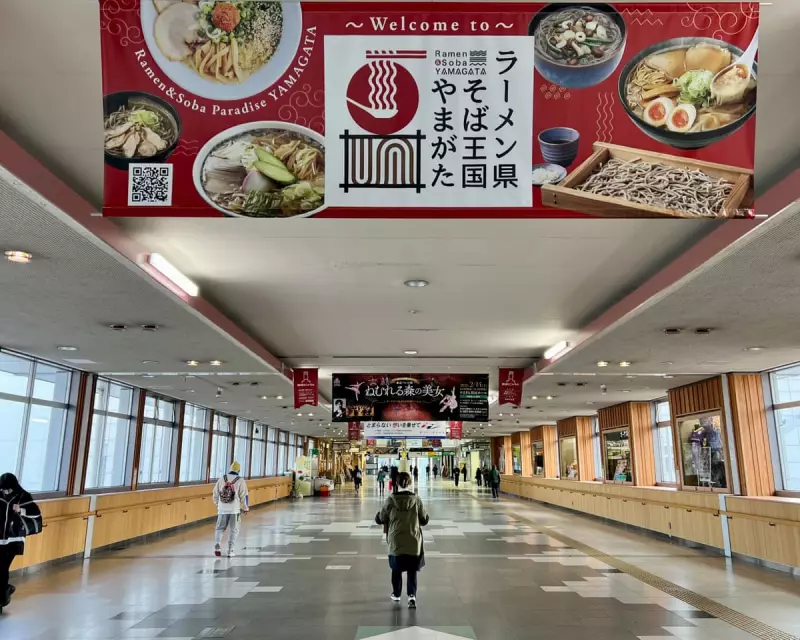
In the heart of Japan's snowy northeast, a culinary war is being waged with chopsticks and steaming bowls of broth. The city of Yamagata, with a population of 240,000, has fiercely reclaimed its status as the nation's undisputed ramen capital, a title it lost in a shocking upset just a few years ago.
The Battle for the Broth: Yamagata's Culinary Campaign
The road to ramen supremacy is paved with dedication and data. According to Japan's Ministry of Internal Affairs, each household in Yamagata spent an average of ¥22,389 (approximately £106) on ramen in the last year. This impressive figure comfortably outstrips their closest rival, Niigata, where households spent ¥16,292. The annual announcement of these figures generates a level of anticipation in Japan matched only by the ranking for gyoza consumption.
"When Niigata won it was a huge shock," admits Osamu Higuchi, an assistant manager in Yamagata's brand strategy section. "Eating ramen is a big part of daily life here… to be honest it hurt our feelings." That defeat spurred the city's ramen shop owners and local officials into action, forming an organisation dedicated to restoring Yamagata's 'ramen kingdom' status through an aggressive promotional campaign.

A Deep-Rooted Noodle Obsession
Yamagata's love affair with ramen is not a passing trend but a tradition forged in hardship. The obsession traces its roots to the aftermath of the catastrophic 1923 Great Kantō Earthquake, which devastated Tokyo. Ramen chefs fleeing the capital brought their skills to Yamagata's soba restaurants, finding a ready audience among residents enduring bitterly cold winters. The dish became so ingrained that households would order ramen, not sushi, to serve to guests, introducing children to a flavour they would crave for life.
Today, the city's 'noodle fiends' have around 230 ramen establishments to choose from. "People here don't ask each other where they want to go for dinner, but which ramen restaurant to go to," says Higuchi, who has personally consumed 225 bowls so far this year. This culture of eating out, rather than making instant noodles at home, is what solidifies Yamagata's claim to the crown.
The Shadow in the Soup: Health Risks of a Ramen Diet
However, this crown comes with a caveat. A four-year study led by Yamagata University, published in the Journal of Nutrition, Health and Aging, has cast a shadow over the beloved broth. Research involving almost 7,000 people aged 40 and over found that frequent consumption carries significant health risks, primarily due to the soup's high salt content.
The study concluded that people who eat ramen three or more times a week have a mortality risk 1.52 times higher than those who indulge once or twice weekly. Experts were careful to note this does not represent a "definite danger," as frequent ramen eaters may also engage in other risky habits like smoking, drinking, or a generally high-salt diet. Still, it gives passionate fans like Higuchi pause. "I've been trying not to drink all of the soup, but it's very moreish," he confesses.
Despite these concerns, ramen remains a powerful symbol of Japanese resilience and adaptability. Popularised after the Second World War by soldiers returning from occupied China, it evolved from a cheap, filling meal into a diverse culinary art form. Ramen critic Rikiya Yamaji, who consumes about 30 bowls a month, credits Japan with perfecting the localisation of the originally Chinese dish, much like Tex-Mex in the US.
As Yamagata awaits the government's official 2025 ranking announcement in early February, confidence is high. For the city, the title is more than just pride; it's an economic engine supporting local farmers, soy sauce producers, and even the companies that supply hot towels to restaurants. "I don't think it's going too far to say," Higuchi asserts, summing up the city's identity in one simple phrase, "that Yamagata is ramen."