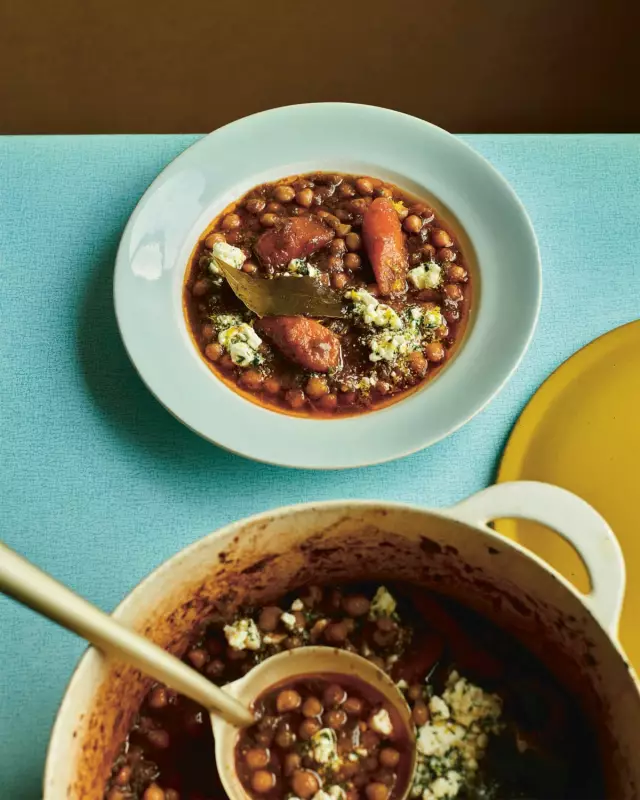
As the January chill sets in, renowned chef and food writer Yotam Ottolenghi has unveiled a collection of five new recipes designed to inject warmth and vibrancy into the darkest months. Published in early 2026, these dishes promise to banish the winter blues with bold flavours, aromatic spices, and comforting textures.
A Culinary Antidote to Winter
Ottolenghi's philosophy centres on using food as a powerful tool for joy, especially during a period often associated with austerity and dull meals. His latest offering is a direct challenge to that notion. The selection, featuring both meat-based and vegetarian options, is built around ingredients that are readily available in January, proving that seasonal cooking need not be bland.
The recipes were specifically crafted for the post-festive season, a time when many seek to reset without sacrificing pleasure at the dinner table. They move beyond simple sustenance, focusing on layers of flavour that stimulate the senses and bring people together.

The Recipes: A Closer Look
The centrepiece of the collection is a show-stopping spiced lamb shoulder with chickpeas and raisins. This is a slow-cooked dish where the meat becomes meltingly tender, infused with a rich blend of warming spices. The chickpeas soak up the delicious juices, and the raisins provide a necessary hint of sweetness to balance the savoury depth.
For vegetarians, Ottolenghi presents a stunning roast root vegetable medley with a harissa and maple glaze. This recipe transforms humble parsnips, carrots, and celeriac into a caramelised, spicy-sweet masterpiece. The harissa adds a gentle heat that builds with each bite, while the maple syrup ensures the vegetables develop a beautiful, sticky exterior.
Other highlights in the quintet include a hearty pulse-based stew, a vibrant winter slaw with a zesty dressing, and a surprisingly simple yet decadent baked dessert that utilises seasonal citrus and spices. Each recipe includes Ottolenghi's signature touch, where a final garnish—be it a sprinkle of fresh herbs, a drizzle of oil, or a crunchy topping—elevates the dish to something special.
Why This Approach Works in January
Nutritionists and food experts often praise this style of cooking for the January period. The use of robust spices like cumin, coriander, cinnamon, and chilli can boost metabolism and circulation, which is welcome in cold weather. Furthermore, dishes centred on legumes, root vegetables, and hearty cuts of meat are inherently satisfying, helping to curb the desire for less nutritious comfort foods.
Ottolenghi's recipes also emphasise the social aspect of cooking and eating, encouraging people to spend time in the kitchen and share the results. This combats the isolation that can sometimes accompany the long winter nights. The act of preparing a fragrant, simmering stew or a beautifully roasted tray of vegetables becomes a therapeutic ritual in itself.
Ultimately, this collection is more than just a set of instructions; it's an invitation to engage with food creatively during a monotonous time of year. By focusing on abundance of flavour rather than restriction, Ottolenghi provides a sustainable and enjoyable way to navigate winter dining. His recipes demonstrate that with the right combination of spices and techniques, January can be one of the most flavourful months on the culinary calendar.