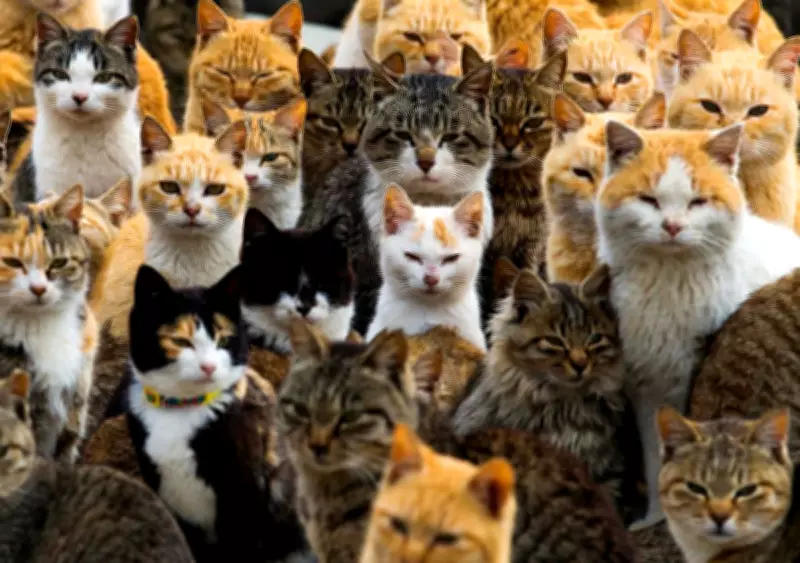
Japan's deep-seated affection for cats has evolved into a multi-billion dollar industry, shaping everything from cafes to temple culture. The nation's fascination with felines is not just a cultural quirk but a significant economic driver, with spending on cat-related goods and services reaching staggering heights.
The Economic Impact of Cat Love
The pet industry in Japan, particularly the cat segment, is worth billions of dollars annually. From premium cat food and high-tech litter boxes to designer accessories and health insurance, owners spare no expense. Cat cafes, where patrons can enjoy a coffee while surrounded by cats, have become a staple in urban areas, drawing both locals and tourists. These establishments often charge by the hour, contributing to the industry's revenue.
Specialty Products and Services
Japanese companies have capitalized on this obsession by creating a vast array of cat-themed products. These include cat-shaped bento boxes, clothing featuring cat prints, and even cat-inspired architecture. Services such as cat-sitting, grooming, and veterinary care have also seen a surge. Additionally, there are cat-themed temples and shrines, where visitors can pray for their pets' health or simply enjoy the company of resident felines.

Cultural Roots
The love for cats in Japan has deep cultural roots. Cats are seen as symbols of good luck and prosperity, with the famous maneki-neko (beckoning cat) figurine believed to bring fortune. This cultural reverence has translated into a booming market. The trend has also spawned a thriving online community, with cat videos and social media accounts amassing millions of followers.
Challenges and Criticisms
Despite the economic benefits, the industry faces challenges. Concerns about animal welfare in cat cafes and the ethics of breeding for specific traits have sparked debate. Some critics argue that the commodification of cats can lead to neglect or mistreatment. However, many businesses prioritize animal well-being, with strict regulations and regular health checks.
Future Outlook
The cat industry in Japan shows no signs of slowing down. With an aging population and increasing urbanization, cats are often preferred as pets due to their independent nature. The market is expected to continue growing, driven by innovation and the enduring bond between Japanese people and their feline companions.