Last summer, while enjoying a cold pint of cider in the pub garden, I watched a little boy do a wee in the outdoor play area. His aim into the flower pot was spot on, it has to be said. And it did raise a few giggles – but what sticks in my memory is my own children’s aghast reactions as they watched on. My kids may have been shocked, but he wasn’t the first child I’d seen do a public pub garden wee, and he certainly hasn’t been the last.
Increasingly, it feels as though some parents believe the moment they arrive at a pub, and in particular, a beer garden, their kids stop being their responsibility. And that is why I completely understand the frustration of landlords like Tim Stowell at The Market Inn, in Faversham, Kent, who shared a blunt post on Facebook, saying if parents are not willing to look after their children, his pub would impose a ban on under 12s. As he quite rightly said, it isn’t down to his team to supervise children.
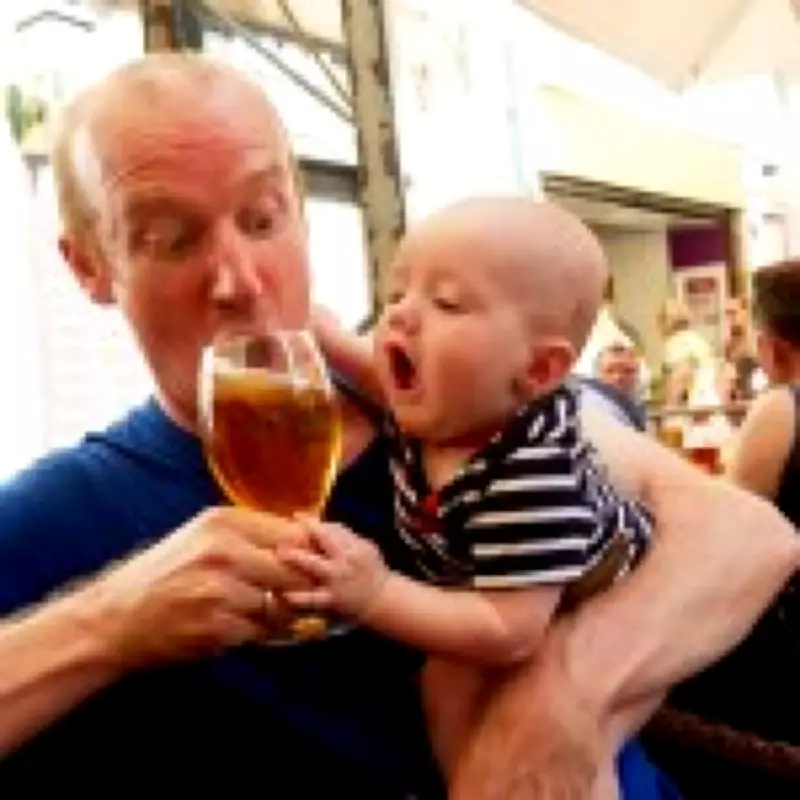
I regularly take my kids to the pub and have done since they were babes in arms – so while I sympathised with Stowell’s stance, I was still annoyed. I don’t understand why I should have to pay the price for other people’s bad parenting. When we go to the pub, my children, Ella, 13, and Leo, 9, know the rules before we even arrive. No running between tables. No screaming. No hanging around the bar and always, always, being mindful of others who are there.

I’m not saying they’re perfect, but they do understand that these are shared spaces. If they can’t behave appropriately, we leave – and trust me, there have been times over the years where we have cut our time short and left for that reason. And yet more and more, pub gardens seem to descend into total chaos the second the sun comes out and the kids pile in.
Just this weekend, a 7-year-old carved the ‘F’ word into wooden play equipment down our local. And over the years, I have watched toddlers pick up strangers’ drinks from tables while their parents sat deep in conversation nearby. It feels like most people in Britain will tolerate an extraordinary amount before saying anything about someone else’s child, and I think that’s a huge part of the problem. Nobody wants the confrontation, so everyone sits there quietly irritated, or leaves.
It is feared that a polite request to stop a child climbing on furniture or screaming near diners might be seen as some kind of personal attack, rather than a completely reasonable expectation in a shared public space. But there have been instances where I have felt the need to intervene – I’ve gently approached parents myself when I have spied an outdoor wee occurring, always leading with kindness, never judgment, and it has always mildly amused me how quickly they spring into action once they realise what’s happening. And that’s the thing: when kids aren’t taught about sharing spaces with others, and about rules or boundaries, it sends the message that they can do whatever they like.
Those lessons have to come from somewhere, so the reality of the matter is that it’s not children that are the issue here. Children are noisy. They get overexcited. They spill drinks and occasionally forget themselves in public. But part of responsible parenting is teaching kids what good behaviour looks like in different environments. Modern parenting is relentless. Families are stretched financially, emotionally and mentally. Many parents are desperate for places where they can socialise without paying for expensive activities or entertaining their children every second of the day.
Sometimes sitting down with another adult for an uninterrupted conversation feels like a luxury, and the pub garden is the only place adults get to feel remotely human again after a long week. I understand that completely. I too have had moments where I’ve wanted to mentally clock off while my children entertained themselves nearby. But there is a difference between letting children play and completely checking out. My own children love going to the pub. They colour quietly, play sensibly, talk to adults politely and understand that if they start disrupting other people, we leave.

And, like most children, they are capable of behaving appropriately in shared spaces – because they’ve been taught. But if pubs eventually decide banning children altogether is easier than constantly dealing with the fallout from unchecked behaviour, it won’t really be because of the families quietly eating lunch together or playing nicely in the garden. It will be because too many adults treated communal spaces as places where the normal rules no longer applied.
And the frustrating thing is, I don’t even think most parents mean any harm. When the parents of the little boy taking the play-area wee finally realised what was happening, they rushed over, looking genuinely embarrassed. They weren’t arrogant or aggressive. If anything, they just seemed momentarily oblivious – caught between trying to enjoy themselves and half-supervising their child from a distance.
That, perhaps, is the real issue. Children absolutely belong in pubs, and you could argue that without families, many pubs would cease to exist. British pubs should remain places where families are welcome. But shared spaces only work when everyone accepts a basic level of responsibility for how their behaviour affects other people. Family-friendly should never mean anything goes.