Angela Hui, author of Takeaway: Stories from a Childhood Behind the Counter, names dim sum at Happy Gathering in Cardiff as her best thing ever eaten. She describes it as a meal that covers all bases, a chaotic and sensory experience that is never the same twice.
Family Tradition at Happy Gathering
Hui grew up eating dim sum every Sunday with her family at Happy Gathering, one of the oldest Chinese restaurants in Cardiff. The restaurant hosted many Hui clan weddings, becoming a second home. She contrasts Western Sunday roasts with the dim sum tradition she cherished.
The Joy of Bamboo Baskets
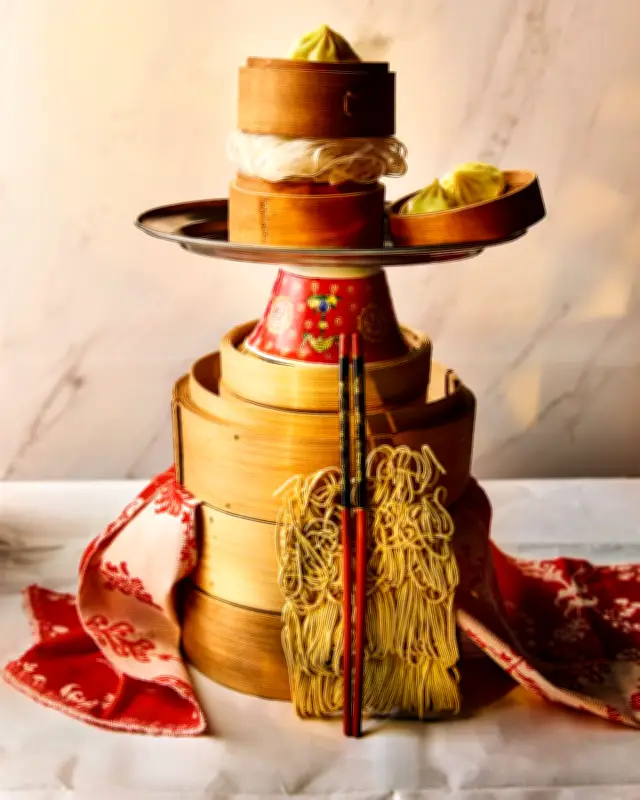
Steamer baskets piled high, each lid releasing steam and revealing delicate dishes: har gau with crystal skins and snappy prawns, lo mai gai wrapped in lotus leaf, char siu bao with sweet pork spilling out. Larger plates of Cantonese roast meats and noodles followed, shared and consumed quickly.

Cultural and Personal Significance
Hui notes that dim sum taught her to eat, savor, and respect her culture. The term "dim sum" translates to "touch the heart," originating from Tang dynasty tea houses. She has two dim sum tattoos: cheung fun held by chopsticks and a bamboo basket with har gau on her arm.
The Art of Ordering and Texture
Ordering dim sum requires balance: fried, steamed, filling items, and greens. Hui misses the theatre of trolleys but appreciates the efficiency of QR codes. She emphasizes the importance of texture, particularly QQ (rebound teeth) texture, which she says Westerners often overlook.
A Weekly Escape
For Hui, dim sum reunites family across Wales and Hong Kong. It was a weekly release from their takeaway life in a Welsh valley town, a third space where the Chinese community could gather. She concludes with the image of her father and uncle arguing over the bill, and the promise of returning next Sunday.