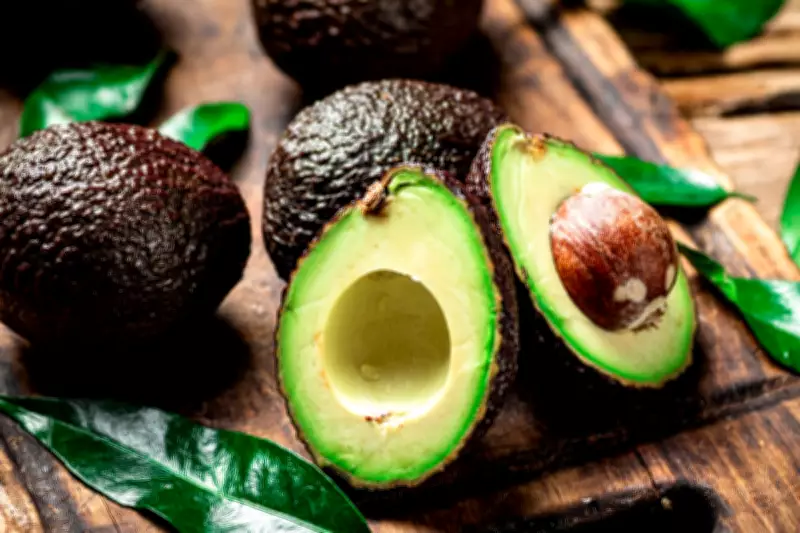
American adults have developed a remarkable appetite for avocados, with current consumption averaging approximately 20 fruits or 9 pounds per person each year. This represents a dramatic sixfold increase from 1998 levels, highlighting a significant shift in dietary habits across the nation.
The Super Bowl Phenomenon and Import Surge
The upcoming Super Bowl weekend is expected to drive Americans to consume nearly 280 million pounds of avocados, setting a new historical record for consumption during this annual sporting event. This staggering demand is primarily fueled by the popularity of guacamole and other avocado-based dishes that have become traditional game-day fare.
This consumption boom reflects a broader trend in American food culture. Back in 1990, the United States imported just 38 million pounds of avocados. By 2023, that figure had skyrocketed to 2,789 million pounds, with the majority sourced from Mexico. Most American adults today didn't grow up with avocados as a dietary staple, but they've rapidly embraced the fruit through various culinary applications including avocado toast, California rolls, and cobb salads.

Nutritional Powerhouse: What Makes Avocados Special?
Healthy Fats and Vitamin Absorption
One medium Hass avocado contains approximately 320 calories and 30 grams of heart-healthy monounsaturated fat. According to Philadelphia-based registered dietician Dalina Soto, this type of fat not only helps lower cholesterol and reduce heart disease risk, but also serves as an effective carrier for vitamins A, D, and folate, enhancing their absorption through the digestive system and into the bloodstream.
Fiber Content and Gut Health
Avocados stand out as nutritional powerhouses partly due to their impressive fiber content. A single fruit provides about 14 grams of fiber, covering roughly half of an adult's daily requirements. Soto explains that avocados offer both soluble fiber, which supports gut bacteria, slows digestion, and aids blood sugar regulation, and insoluble fiber, which promotes regular digestion and gut motility. Both types are essential for maintaining optimal gut and metabolic health.
Additional Health Benefits
The fruit delivers vitamin E, an antioxidant that supports immune defense and skin resilience. Research from Tufts University indicates that avocados contain lutein, one of only two eye-specific carotenoids that accumulate in eye tissues. This accumulation may help reduce the risk of age-related conditions such as macular degeneration and cataracts. The same researchers observed that daily avocado consumption correlated with sharper working memory and improved attention in older adults, suggesting potential benefits for brain health.
Weight Management and Dietary Improvements
A 2021 randomized controlled study led by Dr. Lorena Pacheco, a nutritional epidemiologist at Harvard TH Chan School of Public Health and UC San Diego, revealed interesting findings about avocado consumption patterns. Families consuming 14 avocados weekly (compared to three for a control group of five) reported fewer overall calories and improved diet quality over six months.
Pacheco notes that several factors likely contributed to these results. The fiber-rich nature of avocados helps people feel fuller for longer periods, potentially leading to reduced calorie intake without conscious effort. Although the calorie reduction didn't translate to measurable weight loss within the study's timeframe, Pacheco suggests this might require more than six months to manifest or more significant lifestyle changes.
Perhaps more importantly, avocados often replace less healthy options in meals. When families incorporated more avocados, they tended to substitute them for foods higher in sugar, refined carbohydrates, or saturated fats. For example, using avocado as a sandwich spread instead of mayonnaise represents a healthful switch. Pacheco's 2022 statistical estimates indicate that people eating avocados twice weekly or more could experience up to a 21% lower risk of heart disease, particularly when avocados replace trans or saturated fats like butter or processed meats.

Environmental Considerations and Sustainability Efforts
The environmental impact of avocado production presents significant challenges. Most Mexican avocados originate from Michoacán, a mountainous western state where cultivation has historically contributed to illegal deforestation. This deforestation affects local biodiversity and threatens monarch butterfly habitats. Between 2018 and 2024, avocado orchard expansion resulted in approximately 49,400 acres of deforestation—an area comparable to a mid-sized city.
However, recent developments offer hope for more sustainable practices. In 2024, the Mexican government and the Association of Avocado Exporting Producers and Packers launched a deforestation-free certification program. This initiative tracks compliance with environmental laws and protects key biological areas. Kimin Cho, a PhD candidate at University of Hawai'i at Mānoa who researches Mexico's avocado supply chain sustainability, explains that certification includes third-party auditors, strengthening governance structures.
Starting in January, Mexican avocados must meet deforestation-free criteria for export. While not a complete solution to all agricultural challenges, this represents progress toward making America's favorite fatty fruit a little more environmentally friendly.