In an ongoing series where writers highlight their comfort films, the first entry for 2026 is a surprising choice: David Fincher's chilling 2007 thriller, Zodiac. The film, which delves into the unsolved case of the Zodiac killer who terrorised California's Bay Area in the late 1960s, has become an unlikely source of solace for some viewers, despite its grim subject matter.
The Enduring Allure of an Unsolved Puzzle
Upon its release over 18 years ago, Zodiac was seen by many as a commercial disappointment. Running for more than two and a half hours, it meticulously charts a frustrating investigation filled with dead ends and false leads, culminating without a definitive resolution. It failed to make a significant impact at the box office and received no Oscar nominations. Yet, this very lack of closure is central to its enduring, and for some, comforting appeal.
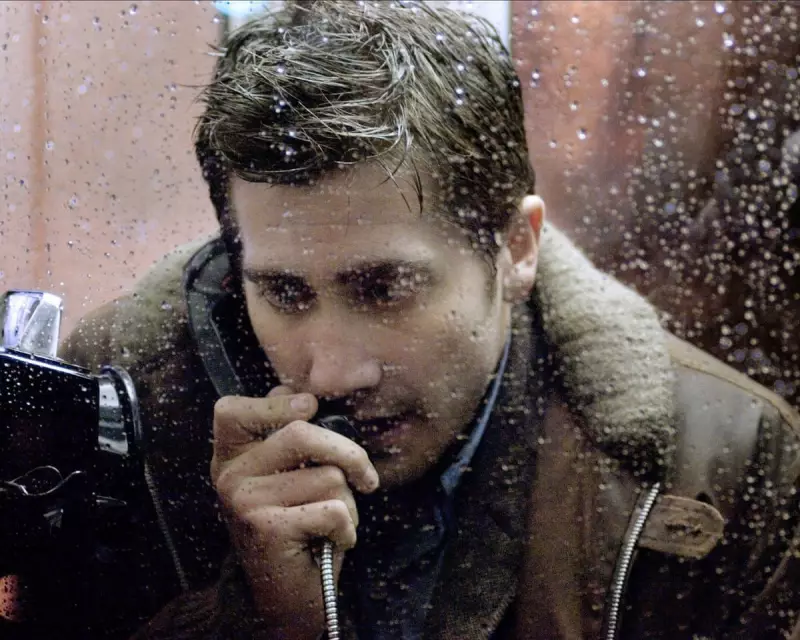
The film follows the obsessive quests of three men: Inspector Dave Toschi (Mark Ruffalo), reporter Paul Avery (Robert Downey Jr), and San Francisco Chronicle cartoonist Robert Graysmith (Jake Gyllenhaal). As they spend years trying to decipher clues, codes, and near-misses, the viewer is drawn into their world. The screenplay by James Vanderbilt delivers a constant stream of new information—puzzle pieces that almost, but never quite, fit together.

A Process Over a Conclusion
Contrary to Fincher's reputation for clinical darkness, Zodiac offers lighter pleasures. The dialogue is sharp and witty, with performances that often recall the fast-paced repartee of a classic newspaper comedy rather than the unrelenting grimness of Seven. The film finds a strange comfort in the procedural details: the visits to various police evidence rooms, the recitation of Bay Area locales like Napa and Vallejo, and the parade of character actors.
This is not a typical true crime story that bends all evidence toward a neat conclusion. Instead, Zodiac is a 'process movie'. The clues keep accumulating but never fully cohere, and the search becomes a vocation in itself. It transforms into a story about the persistent human attraction to mystery, the need to line up the stray impressions of life into something meaningful. Graysmith's journey, which begins as an attempt to protect his family and ends up endangering it, exemplifies this consuming obsession. To abandon the search would be to abandon a defining purpose.
The Comfort of the Infinite Chase
For its devotees, the film's power lies in its infinite, unsolvable quality. Each viewing renews the conviction that this time, the solution might be found hidden within its dense weave of suggestion and incident. The constant unfurling of new leads and possibilities creates a hypnotic, almost meditative rhythm. The promised destination never arrives, but the journey itself—the act of looking, parsing, and questioning—becomes the point.
In a world often demanding clear answers, Zodiac offers the paradoxical comfort of a mystery that endures. It allows the viewer to engage in a collective, intellectual chase where the stakes are the existential need for understanding, rather than the immediate visceral terror. The violence is in the past; the ongoing drama is one of dogged, flawed human perseverance. A few months or a year might pass, and then the film calls again, inviting you back into its intricate, unsolved puzzle. Zodiac is available on Amazon Prime in the UK.