Wuthering Heights Film Sparks Heated Debate Over Female-Focused Adaptation
Published February 13, 2026 6:15pm | Updated February 13, 2026 6:15pm
'They won't make me hate it.' That's what a fellow female film critic declared to me before the cinematic release of Wuthering Heights, referencing the vocal detractors already expressing strident opinions on social media platforms. The online discourse had been intensifying throughout the preceding week, with numerous individuals condemning the film before its official debut. Despite this backlash, I remained determined to approach the adaptation with an open mind.
Embracing the 'Feral' Interpretation
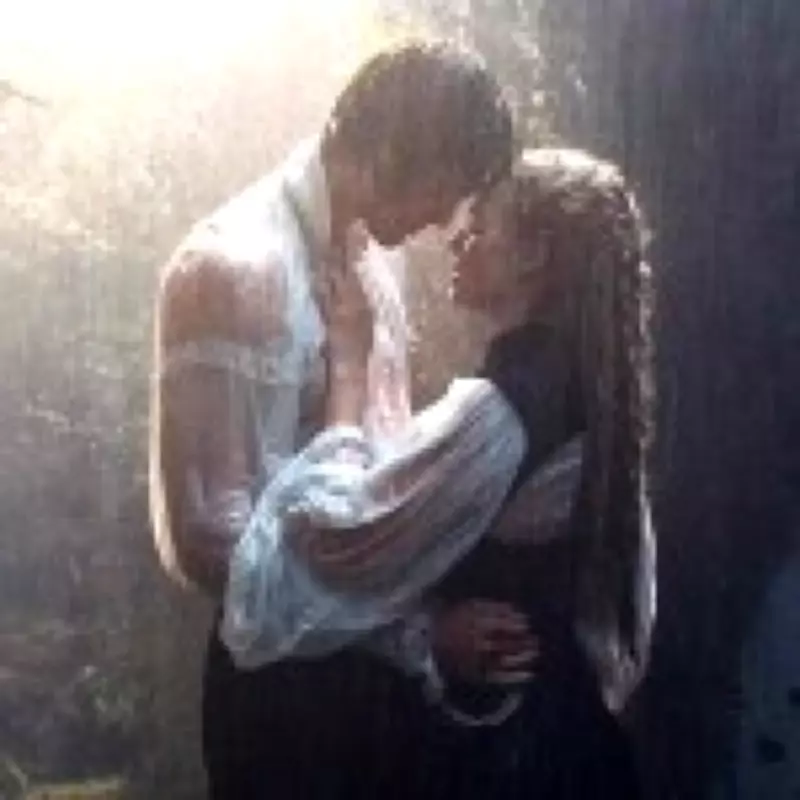
I attended the screening prepared to embrace what director Emerald Fennell had promised would be a somewhat 'feral' reinterpretation of the classic novel. I didn't particularly care if this made me appear basic or unsophisticated in certain circles. Another female film enthusiast confessed to me: 'I just want to watch Jacob Elordi put his hands in Margot Robbie's mouth for two hours in the rain.' And honestly, I understood that sentiment completely.

As the review embargo lifted, it became evident that, predictably, some Emily Brontë purists were deeply unhappy that the film didn't adhere strictly to the original text. However, many viewers, particularly women, were perfectly content with Fennell's so-called 'desecration' of this multi-layered nineteenth-century novel. By distilling the story down to its base, primal instincts, she created something that resonates powerfully with contemporary female audiences.
The Appeal: Pretty, Hot, and Unapologetically Shallow
The adaptation is visually stunning, undeniably sensual, and embraces its toxic elements without apology. It doesn't pretend to be profound, and that's perfectly acceptable. I observed a male influencer declaring that 'whatever this movie was trying to sell me, I'm not buying it' – and that's fine because this film isn't intended for him. It's explicitly crafted for female viewers.
Nevertheless, I must acknowledge the valid criticism regarding Fennell's controversial casting decision. By selecting Jacob Elordi, a white actor, to portray Heathcliff – a character Brontë described as a 'dark-skinned gipsy' – the film engages in whitewashing. This represents a significant missed opportunity, especially given the rarity of nineteenth-century British novels suggesting their male lead might be a person of color.
Fennell's Personal Vision and Creative Choices
Fennell has repeatedly stated that the film represents her personal interpretation of the novel as she remembered reading it at age fourteen. She appears to have taken this quite literally. Additionally, let's be honest: Elordi is a currently popular and attractive actor, which undoubtedly influenced the casting decision.
The director faces considerable criticism as a polarizing 'Marmite filmmaker' due to the bold creative liberties she has taken. She adapted only half of the original novel, eliminated major characters like Hindley Earnshaw, and incorporated period-inappropriate costumes featuring latex-style materials and translucent nightgowns. The result is undeniably outlandish yet simultaneously glamorous.
The Central Controversy: Sexual Content
The primary point of contention appears to be the explicit sexual content. While the novel contains no suggested sex scenes, Fennell's version includes two montages, masturbation sequences, and a steamy stable scene complete with riding crops and bridles. As a critic, I always appreciate witnessing something unprecedented, and while numerous Wuthering Heights adaptations exist, none have been quite this sexually charged.
It remains uncommon for mainstream cinema to deliberately cater to the female demographic in this manner, though recent films like Babygirl, The Idea of You, and Challengers have made commendable attempts. Fennell has undoubtedly stripped away much of the novel's nuance and complexity, softening truly awful characters to maximize emotional yearning. In Brontë's original text, Heathcliff commits far more heinous acts, including killing his wife's puppy.

Intellectual Snobbery and Gendered Criticism
However, this was always intended as a loose interpretation. When a film features quotation marks around its title and a Charli XCX soundtrack, viewers receive fair warning. Some criticisms regarding the 'sexification' of Wuthering Heights reek of intellectual snobbery, implying audiences should feel ashamed for enjoying it.
In a one-star review, Clarisse Loughrey of The Independent compared the film to 'a limp Mills & Boon' novel. The Guardian's Peter Bradshaw awarded it two stars, describing it as 'a 20-page fashion shoot of relentless silliness, with bodices ripped to shreds and a saucy slap of BDSM.' I've even seen Fennell described as 'to film what Colleen Hoover is to literature,' a comparison laden with implicit judgment.
One social media commenter questioned my positive assessment by stating: 'If you're an English literature student it's appalling.' As someone holding an English literature degree, I feel adequately qualified to disagree. We should not police who gets to express opinions about films or determine whose perspectives carry more weight.
The Double Standard in Film Criticism
These sexist criticisms highlight how films traditionally cater to male audiences without facing comparable scrutiny. Jason Statham can punch, kick, and shoot his way through yet another action film designed primarily for men without provoking widespread outrage. Meanwhile, the male gaze has long dominated mainstream cinematic depictions of sexuality.
Quentin Tarantino freely incorporates boyish sexual fantasies into his films, while few women genuinely enjoy Basic Instinct's infamous leg-uncrossing scene – especially since Sharon Stone has publicly discussed being misled during its filming.
In Fennell's Wuthering Heights, no egg yolks, dough balls, or Jacob Elordis were harmed during production. The director is essentially inviting women to her kinky, slightly unhinged cinematic party. And I thoroughly enjoyed myself. Given the current state of the world, perhaps we should simply allow people to appreciate pretty, albeit problematic, artistic expressions.