Taxi Driver at 50: Paul Schrader Reflects on the Making of a Cinematic Landmark
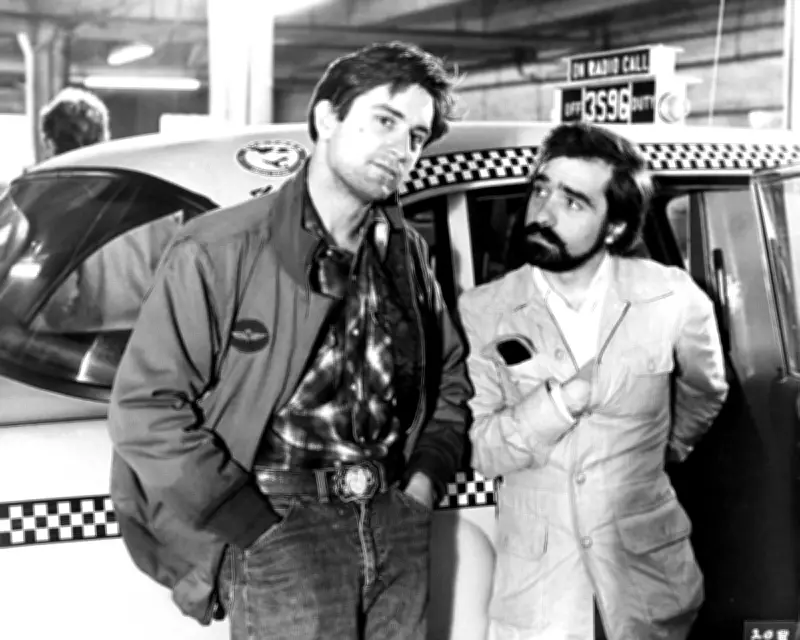
As Taxi Driver marks its 50th anniversary, screenwriter Paul Schrader offers profound insights into the creation and enduring legacy of Martin Scorsese's incendiary New York nightmare. The film, starring Robert De Niro, Jodie Foster, Harvey Keitel, and Cybill Shepherd, remains a masterpiece of urban alienation, exploring themes that resonate powerfully in today's digital age.
The Genesis of Travis Bickle
Schrader, now 79, recalls writing the screenplay during a tumultuous period in his life. "I lost my job, left my wife, left the girl I left my wife for, didn't have a place to live, was drinking considerably, was living in my car and had a gun in the car," he explains. This personal crisis led to a bleeding ulcer and a hospital stay, where the iconic image of a taxi cab emerged as a metaphor for his isolation.
"That's me: I'm this kid locked up in this yellow box floating in the sewer, who looks like he's surrounded by people when he's absolutely alone," Schrader reflects. Drawing from European existential literature, particularly Dostoevsky's Underground Man, he crafted Travis Bickle as a Vietnam war veteran turned cab driver, spiralling into madness amidst New York's moral decay.

Modern Parallels and Cultural Impact
Schrader notes that if Bickle were alive today, he would likely be an incel, exploring the dark corners of the internet. "We call them incels now," he says. "It's these guys who are lonely, who see themselves unable to make contact with women, have a repressed backlog of anger and resentment and imagine some kind of glorious transcendent transformation through violence."
The film's depiction of alienation has struck a chord across generations, with young men often discovering it around age 15. "Every generation finds it," Schrader observes, highlighting its timeless appeal as an action film with profound psychological depth.
Production Challenges and Creative Decisions
The making of Taxi Driver involved several notable challenges. Schrader originally wrote the pimp character, Sport, as Black to reflect Bickle's racism, but Columbia Pictures insisted on changing the role to white to avoid potential theatre riots. This decision ultimately led to Harvey Keitel's casting, who sought to model the character on a real-life white pimp.
Robert De Niro's improvisation gave birth to one of cinema's most famous lines: "You talkin' to me?" Schrader recalls advising De Niro to think of childhood cowboy games, leading to this iconic moment. Additionally, Scorsese desaturated the colour of the final shootout to secure an R rating, turning blood red into a tabloid brown.
Reception and Legacy
Upon its release on 8 February 1976, Taxi Driver faced mixed reactions, including boos and walkouts at the Cannes Film Festival. Yet, it won the Palme d'Or, with its raw portrayal of urban despair captivating audiences. The film's influence extended tragically to John Hinckley's attempted assassination of President Ronald Reagan in 1981, driven by an obsession with the movie and Jodie Foster.
Schrader muses on the film's lasting relevance, noting it serves as a time capsule of 1970s America, disillusioned by Watergate and the Vietnam War. "Taxi Driver gave me the sense that Scorsese felt a breaking point," says film critic Richard Brody, emphasising its concentration of the era's social frenzies.
Reflections on Collaborators
Schrader offers candid thoughts on his collaborators. He describes Scorsese as a fresco painter, needing vast resources for his epic visions, while likening his own work to Dutch miniatures. Of De Niro, he suggests the actor might have taken fewer risks due to real estate investments, but praises his transformative performance.
As Taxi Driver celebrates its 50th anniversary, its exploration of loneliness, violence, and societal decay continues to resonate, ensuring its place as a cinematic landmark for generations to come.