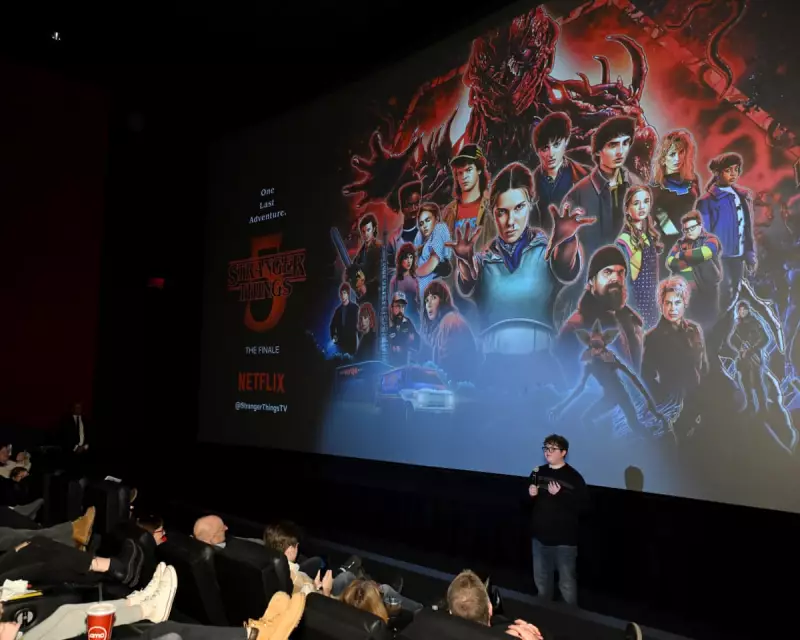
The traditional cinematic landscape is undergoing a profound transformation, with the latest evidence coming from an unlikely source: a television finale. Over the recent holiday period, the series conclusion of Netflix's Stranger Things generated a staggering estimated $25 million at the US box office, rivalling the performance of major Hollywood blockbusters.
Beyond the Movie: The Rise of Event Cinema
This lucrative event saw the feature-length finale screened simultaneously with its streaming debut. Beginning at 8pm on New Year's Eve and continuing throughout New Year's Day, the 24-hour run reportedly outperformed single-day takings for major films like Avatar: Fire and Ash. Some estimates even suggest the total may have reached $30 million, which would make it the second-biggest 24-hour haul for any December release, surpassed only by Avatar 3.
Intriguingly, the financial mechanics of the release were unconventional. Netflix does not typically disclose box office figures, and contractual arrangements meant tickets were technically free. Instead, audiences purchased $20 concession vouchers to reserve seats. This model proved exceptionally profitable for cinemas, as the revenue likely went entirely to exhibitors rather than being shared with a distributor.

A Broader Trend: From Swift to Broadway
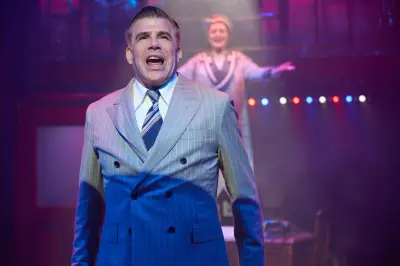
The Stranger Things experiment is not an isolated case. It is part of a growing strategy where cinemas and distributors are creatively filling screens beyond traditional film releases. Last autumn, filmed versions of hit Broadway productions like Hamilton and Merrily We Roll Along played nationwide.
Similarly, Taylor Swift's album release party for The Life of a Showgirl, cobbled together from new and existing content, earned $50 million globally. Netflix also capitalised on fan fervour with theatrical runs for its feature KPop Demon Hunters, striking a rare deal with AMC, a chain historically resistant to the streamer's shorter theatrical windows.
The trend extends to targeted re-releases of classic films. Distributors like Fathom regularly schedule national screenings of older movies, while studios such as Universal have put Back to the Future and Jaws back on Imax screens during quiet periods. Some cinema chains have even developed their own repertory programmes, showing a different classic film daily.
The Changing Audience Habit
This shift creates a circular phenomenon. Content once firmly associated with home viewing—TV finales, concert films, sports, and old favourites—is now drawing crowds to the big screen. Conversely, many star-studded feature films are relegated to straight-to-streaming releases.
Audiences, trained by streaming services to wait, are more selective about their cinema visits. They are less likely to visit a theatre casually but will make a deliberate, devotional choice for a specific event. The appeal lies in the communal experience, superior sound, and the sense of occasion, which remains more accessible than tickets to live concerts or major sporting events.
The shortening of theatrical windows has also played a role. With new movies often available for home rental within weeks, the urgency to see a film on opening weekend has diminished for all but the biggest titles. This, paradoxically, may have eroded any lingering taboo about paying to see something available elsewhere, reframing a cinema trip as a preferred experience rather than a necessity.
The future of cinemas may increasingly depend on their ability to host these curated, event-driven experiences. As the line between home and theatrical entertainment blurs, the survival of the big screen could hinge on its unique power to transform familiar content into a collective event, defying simple convenience for the sake of shared spectacle.