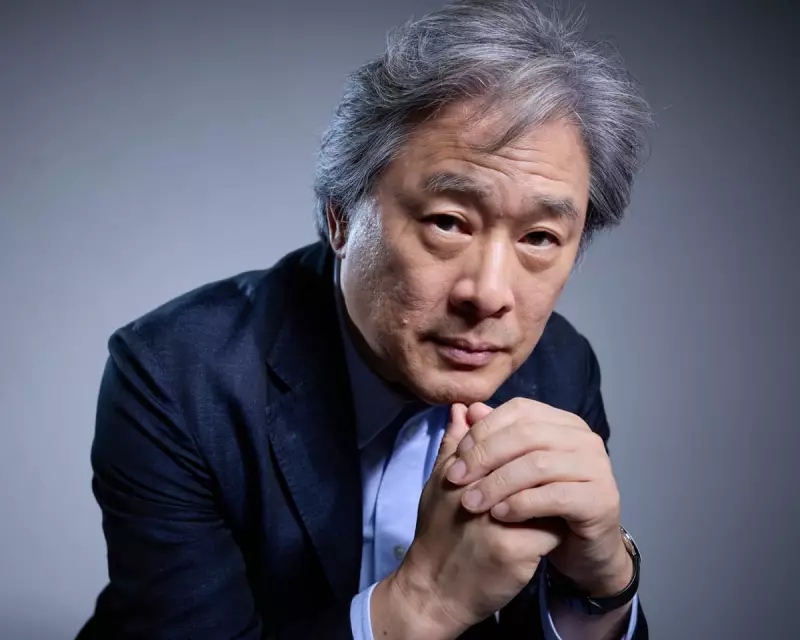
While South Korean culture enjoys unprecedented global dominance, one of its most celebrated cinematic architects, Park Chan-wook, is sounding a note of profound caution. The director behind the brutal masterpiece Oldboy has returned with a blistering new satire, No Other Choice, and in a revealing interview, expressed deep fears about the encroachment of artificial intelligence into the creative industries.
A Satire Born from Capitalist Anxiety
Park's latest film, set for release in UK cinemas on 23 January, punctures the glossy image of the 'Korean Wave'. Instead of celebrating K-Pop and Oscar-winning cinema, it depicts a landscape of industrial decay, downsizing, and toxic masculinity. The story follows a recently redundant paper company executive, Man-su (Lee Byung-hun), who hatches a ludicrously inept plan to murder his rivals for a new job.
"I did not mean for it to be a realistic portrayal of Korea in 2025," clarifies the 62-year-old director. "I think it's more accurate to view it as a satire on capitalism." He draws a direct parallel to the entertainment sector, noting the ironic decline in domestic cinema attendance and TV industry threats that followed the global successes of Parasite and Squid Game.

From 'Asia Extreme' to Hollywood and Back
Park, alongside Bong Joon-ho, was instrumental in bringing Korean cinema to the world stage, most notably with Oldboy's Cannes Grand Prix win in 2004. His films were once marketed under the "Asia Extreme" label, a branding he says boxed him in with "unnecessary prejudice." He has since navigated Hollywood with projects like The Little Drummer Girl and The Sympathizer, but insists his move to English-language work wasn't about mellowing his signature style.
"It's not like I'm making intentional choices to mellow down my violence," he states. "I don't know what kind of films I'll be making in the future, but they could be equally as graphic as my previous ones." He credits actors like Nicole Kidman on the set of Stoker for helping bridge cultural and linguistic gaps, which he often turns to his creative advantage.
The Looming Shadow of Artificial Intelligence
Where the original American novel, The Ax by Donald Westlake, focused on human competition, Park's adaptation introduces a formidable new rival: AI. This update makes the film's commentary acutely contemporary, reflecting anxieties far beyond the paper industry. Park is acutely aware that his own profession is in the crosshairs.
"Considering the speed of its development in the past year, I'm very concerned for how many people in our film industry will have their jobs replaced by AI," he admits. His concern is both for his colleagues and for a future where economic pressures force his hand: "I'm also worried for a situation in which I have no choice but to embrace AI – for instance, if studios decide to cut budgets with AI."
Despite these fears, Park remains a storyteller first, driven by narrative rather than geography or agenda. His next projects include a sci-fi film and a western, both US-backed. "I just follow good stories," he concludes. Yet with No Other Choice, he follows a story that holds a dark mirror to the precariousness of success, both in Korea and in a world increasingly shaped by inhuman competition.