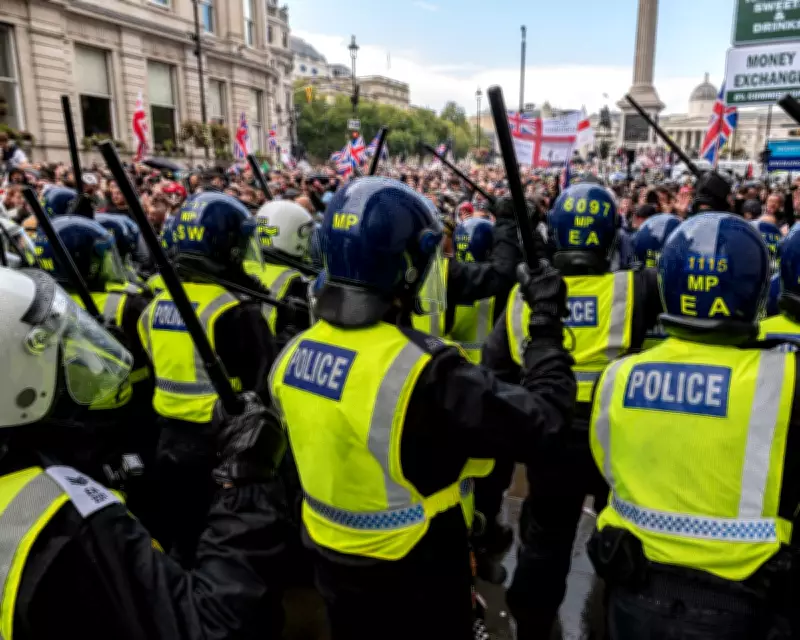
In Amanda Craig's 10th novel, High and Low, Britain is portrayed as a country growing "hotter, crueller and angrier." The story unfolds in Prospect Park, a fictional north London suburb caught between gentrification and decline, during the 12th day of Christmas. Outside a hotel housing asylum seekers, protesters and counter-protesters have gathered. Nearby, a man has been stabbed, and thugs are searching for the teenage boy they believe is responsible.
A Community Under Siege
Local residents watch anxiously as Jade from the beauty parlour and Daisy from the health food shop brave the central street to warn others of danger. In the kebab shop, Mehmet locks up his doner meat and sharpens his knives. Shops with shutters close them. In a book-lined cafe, regulars—a motley crew of writers nursing hot drinks and shuffling their novels towards completion—are joined by workers from the adjacent bakery. Trainee barrister Xan stops in before viewing a flat in the nearby Cross Estate. Then the exhausted, bleeding boy the thugs are hunting arrives at the back door, leaving the group with a dilemma: hand him over or stand up to the criminals. This sets the stage for what Ivo, a newspaper editor turned thriller writer, calls "the siege of Cross Street."
Recurring Characters and Themes
Novelist and critic Craig has written about some of these characters before. Xan appeared in 2017's The Lie of the Land, while Ivo first featured in 1996's A Vicious Circle—Craig describes High and Low as its sequel. Veteran writers Gritts, Mary, and Eva, new mother Rose, and her alcoholic father Simon also reappear from earlier works. The characters take turns complaining about the state of the nation: crumbling infrastructure, soaring rents, riots, and doctors' strikes. Some rage at refugees for draining the state, while others hear racism as a "mosquito whine, almost inaudible in the past" that is now growing louder.

A Portrait of Place and People
High and Low is part state-of-the-nation novel, part literary satire, and part siege drama, but it is primarily a book about a place and its people. Craig provides vivid detail on the haves of leafy Prospect Square and the have-nots of the Cross Estate, with its grime, mould, and petty crime. Beneath the novel's big crises are countless smaller ones: wrangles over wildflower planters and low-traffic neighbourhoods, gargantuan potholes, and complaints about cars being keyed and phones stolen. Inconveniently for the cast but happily for the plot, mobile service is patchy and emergency services are delayed for hours. Confined together, Craig's characters discover shared purpose and remember half-forgotten ties. They share tips about injuries and childcare, alert each other to threats, give each other makeovers, and stack books and bags of flour in makeshift barricades. Craig lives in north London, and she reminds readers that built-up, broken-down, and socially divided Prospect Park—once a "gentle country lane, lined with cherry and ash, hawthorn and lime"—still has beauty and a community willing to fight for it.
Strengths and Weaknesses
Craig's ensemble cast is central to this neighbourhood portrait, but the need to check in with each member means High and Low moves slowly at first. Given this wide focus, it is a shame that we never gain much insight into the thuggish gangsters ("bad apples," sniffs one onlooker) and furious rioters. While tension is ratcheted up nicely from early anxiety to zombie knives, burning cars, and gunshots, the book's concluding standoff feels a little quick and neat—a papering over of the cracks Craig has spent the rest of the book chronicling.
Conclusion
The result is a flawed but involving portrait of local pride and pragmatism under pressure. Craig's fascination for the stories we all carry is addictive, and returning readers will enjoy watching her characters weather the passing years, some lost, some frustrated, but all with their own hopes, fears, and hidden reserves of courage.