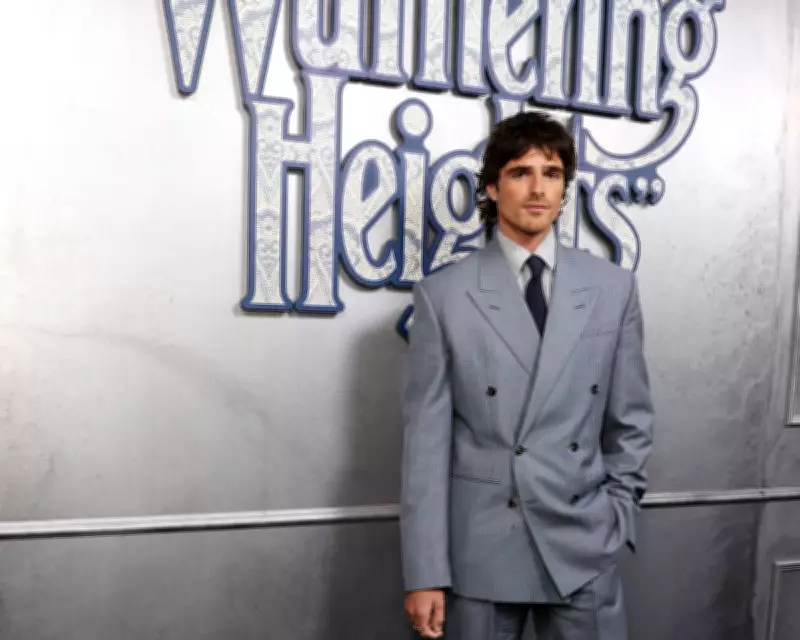
Jacob Elordi's Casting as Heathcliff Reignites Race Debate in Classic Literature Adaptations
Emerald Fennell's highly anticipated adaptation of Emily Bronte's Wuthering Heights has sparked renewed conversation about racial representation in classic literature adaptations. The film, which features Australian actor Jacob Elordi as the brooding Heathcliff, continues a long tradition of casting white actors in a role described in the novel as ethnically ambiguous and "dark."
A History of Whitewashed Heathcliffs
Fennell's casting choice follows a pattern established across numerous adaptations of the 19th-century novel. By conservative estimates, there have been at least 18 filmed adaptations of Wuthering Heights, with Heathcliff most frequently portrayed by white actors including Richard Burton, Tom Hardy, and Ralph Fiennes. This casting tradition spans decades of cinematic interpretation.
The director defends her decision by explaining that Elordi represents the version of Heathcliff she imagined when first reading the novel at age 14. Given that Wuthering Heights resides firmly in the public domain, filmmakers possess creative freedom to interpret characters according to their personal vision.

Notable Exceptions and Commercial Realities
There have been significant exceptions to this casting pattern. The 2011 adaptation directed by Andrea Arnold featured James Howson as Heathcliff, marking the first time a Black British actor portrayed the character on film. However, Howson's casting proved to be an anomaly rather than a trendsetter.
The commercial considerations behind casting decisions cannot be ignored. Howson received approximately £8,000 for his groundbreaking performance before returning to relative obscurity, while his film struggled at the box office. In contrast, Elordi brings established star power that helps secure production budgets and audience interest in an increasingly competitive cinematic landscape.
The Novel's Racial Subtext and Modern Relevance
Bronte's original text presents Heathcliff as fundamentally different from the Earnshaw family, with his mysterious origins and distinct appearance contributing to his outsider status. The novel explores themes of class resentment, prejudice, and social exclusion that remain powerfully relevant today.
Modern readers increasingly recognize how Heathcliff's "otherness" functions within the narrative. His adoption into the Earnshaw family never fully erases the visible differences that mark him as separate, with his ambiguous racial background serving as a constant reminder of his precarious social position.
Personal Perspectives on Representation
The author reflects on their own experience as the product of an interracial marriage, noting how rarely such relationships appear in mainstream media. While films like 2015's Focus featured interracial pairings, they seldom engage deeply with the social implications of these relationships.
Wuthering Heights, however, fundamentally concerns itself with themes of alienation and otherness that resonate strongly with experiences of racial difference. The story's exploration of how societies marginalize those they perceive as different remains strikingly contemporary.
Creative Interpretation Versus Fidelity
Fennell's adaptation takes significant liberties with Bronte's original narrative, focusing primarily on the illicit romance between Cathy and Heathcliff while excising substantial portions of the novel's plot. The film embraces a contemporary aesthetic with modern music and lavish production design.
The central question emerging from this adaptation concerns creative interpretation: Why does a story fundamentally about difference and otherness continue to be interpreted through predominantly homogeneous casting? While filmmakers possess artistic freedom, their choices inevitably reflect broader cultural assumptions about who can inhabit certain roles.

As audiences encounter yet another white Heathcliff, they must consider what opportunities for meaningful representation might be lost when creative visions remain constrained by traditional casting practices. The conversation sparked by Elordi's casting suggests growing awareness of these issues within both filmmaking and literary adaptation circles.