Else Review: A Surreal Pandemic Horror Where the Infected Physically Merge with Their Environment
In the continuing wave of films born from Covid-era claustrophobia, French director Thibault Emin's Else emerges as a visually arresting and conceptually unique entry. This Gallic thriller transforms pandemic anxiety into a literal horror, where infected individuals don't just suffer from illness—they physically merge with the inorganic materials around them, losing their human contours and identity entirely.
A Claustrophobic Setup with Surreal Consequences
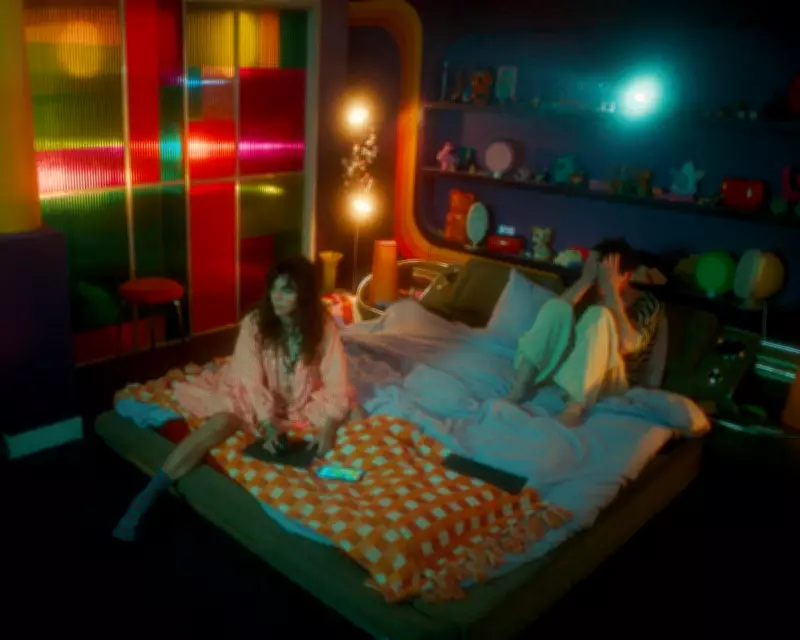
The film opens with a distinct flavor reminiscent of Jean-Pierre Jeunet and Marc Caro's Delicatessen, establishing its quirky, off-kilter world. After a one-night stand, hypochondriac Anx (played by Matthieu Sampeur) and impertinent Cass (Edith Proust) find themselves barricaded in a madcap apartment building. Their interactions with neighbors—including gruff Mr. Mouaki (Toni d'Antonio) and his family, plus an enigmatic Japanese tenant (Lika Minamoto) isolated with her dog—occur primarily through waste-disposal chutes, emphasizing their physical and emotional separation.
Initially feeling safely cocooned while observing martial-law responses online, their false security shatters when Cass discovers a strange accumulation of pebbles beneath Anx's furniture. This seemingly minor detail heralds the arrival of a terrifying entity that has literally grown out of the wooden slats used to barricade their windows.

From Quirky Romance to Existential Horror
The first thirty minutes establish the characters' heavy quirks, including Cass referring to her clitoris as "Ingeborg," which some viewers might find wearing. However, Else quickly mutates into something far stranger and more profound. The apparent disconnect between the romantic storyline and the pestilence plot gradually dissolves as the pair intimately explore each other's bodies while their reality collapses around them.
Emin masterfully blurs boundaries between the animate and inanimate, psychological and physical, internal and external. With the malady seemingly transmitted through direct eye contact, the film suggests that the horrors of intimacy might be the only pathway to evolution—a provocative thesis delivered through increasingly surreal imagery.
A Visual Tour de Force Across Multiple Registers
The film's reality collapse unfolds through a thrilling sprint across multiple visual styles. The opening's handheld-shot flatmate banter gives way to blurry nightmare sequences as rock-like creatures attack, then transitions to lacquered monochrome sci-fi aesthetics, and finally to AI-esque mind secretions when the narrative reaches its peak weirdness.
Generally surrealistic and elliptical in its dialogue, Else demonstrates a heartening faith in imagery's affective power over verbal exposition. This digital-age kindred spirit to cult classics like Tetsuo: The Iron Man represents the genuine article of midnight movie filmmaking—uncompromising, visually inventive, and thematically ambitious.
Else becomes available on digital platforms starting March 2nd, offering audiences a pandemic horror experience that transcends conventional genre boundaries through its unique premise and striking visual language.