Documentary Captures Ancient Tzotzil Women's Rituals in Mexico
In the mossy hills of Chiapas, Mexico, a poetic calm envelops the meditative documentary Ways to Traverse a Territory by Gabriela Domínguez Ruvalcaba. This languid film immerses viewers in the pastoral life of the indigenous Tzotzil community, a group that has steadfastly preserved ancient traditions against the relentless march of modernity.
Focus on Tzotzil Women and Their Daily Practices
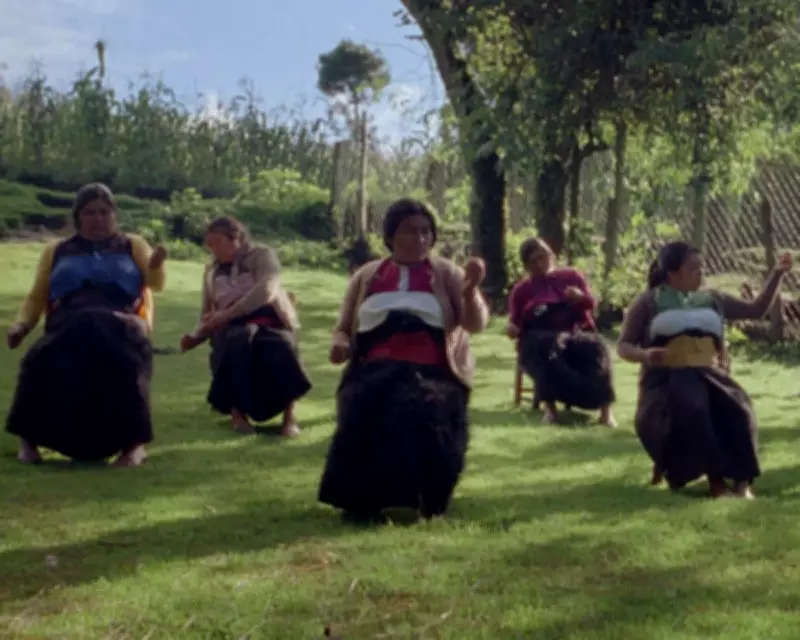
Ruvalcaba's lens centers almost exclusively on the Tzotzil women, who maintain centuries-old rituals with remarkable artistry. These women tend herds of sheep, shearing the animals entirely by hand, and employ traditional tools for spinning yarn. They use natural dyes to create vibrant fabrics, transforming everyday tasks into expressions of cultural heritage. The film's stunning visuals highlight how these practices not only sustain their way of life but also infuse daily routines with a profound sense of craftsmanship.
Wide shots frequently frame the women against the majestic landscape of Chiapas, emphasizing their deep, respectful relationship with the environment. This connection is portrayed as one of careful stewardship, where natural resources are treated with reverence. However, the documentary does not shy away from the region's complexities.
Challenges and Social Realities
Despite the idyllic scenery, Chiapas is far from a paradise. One woman notes that while nonindigenous people now show more respect, discrimination against the Tzotzil community persists. Another speaks candidly about gender inequality within her own society, revealing how her father prevented her from accessing education. These moments add a layer of social critique, reminding viewers that cultural preservation often exists alongside ongoing struggles for equality and recognition.
Crossings and Connections Through Film
The film explores various forms of crossing—both literal and metaphorical. Historic trails crisscross the region, symbolizing journeys through time and space. Meanwhile, the camera itself acts as a threshold. Ruvalcaba, who grew up in the area but was never taught about the indigenous communities, uses filmmaking as a conduit to bridge this gap in understanding.
At times, the stylized framing risks aestheticizing the subjects, but a fascinating scene subverts this ethnographic gaze. As they are filmed, the Tzotzil women suddenly comment on Ruvalcaba's camera setup, acknowledging the technical specifics of the shoot. This moment suggests that, much like weaving, filmmaking can be an artisanal art—a collaborative process rather than a distant observation.
Ways to Traverse a Territory premieres on True Story starting February 27, offering a poignant look at an ancient and disappearing way of life.