The British Academy of Film and Television Arts (Bafta) has unveiled its 2026 film awards longlists, signalling a potential turning point in its efforts to address long-standing criticism over diversity and inclusion. The intermediate lists, revealed on Friday, show strong performances for films like Ryan Coogler's Sinners and indicate that recent reforms may be starting to yield results.
A Strategic Move to Quell Diversity Criticism
This year's longlists arrive against a backdrop of intense scrutiny. Despite a major overhaul of its voting system in 2020 following accusations of "systemic racism", Bafta faced fresh outrage in 2023 when no awards were won by people of colour. The newly released longlists, which determine the path to final nominations through a mix of membership votes and jury selection, suggest the academy is making a concerted effort to change the narrative and avoid further #BaftasSoWhite controversy.
One of the most significant changes is in the directing category, where Bafta mandated that 50% of the longlisted directors must be women. This target has been met, with places secured for acclaimed filmmakers including Chloé Zhao (Hamnet), Katherine Bigelow (A House of Dynamite), Lynne Ramsay (Die My Love), Hikari (Rental Family), and Kaouther Ben Hania (The Voice of Hind Rajab). The list also includes four directors of colour, among them Ryan Coogler for Sinners, though Bafta does not have specific targets for ethnic diversity.

Strong Contenders and Notable Performances
The longlists reveal which films are leading the race for the coveted awards. Paul Thomas Anderson's One Battle After Another, starring Leonardo DiCaprio in an adaptation of Thomas Pynchon's Vineland, is currently best placed with 16 longlist entries. These include contention for Best Picture, Best Director for Anderson, and Best Actor and Actress for DiCaprio and his co-star Chase Infiniti.
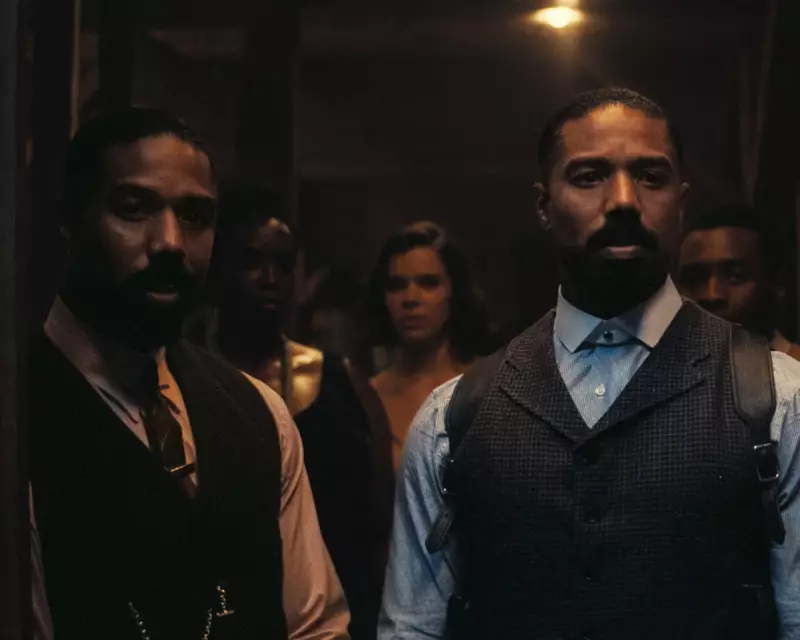
In joint second place, each with 14 entries, are the Shakespearean grief drama Hamnet and Ryan Coogler's juke-joint horror Sinners. Hamnet, directed by Chloé Zhao and starring Paul Mescal and Jessie Buckley, is longlisted for Best Picture, Outstanding British Film, Best Director, and the lead acting awards. Sinners similarly appears for Best Picture, Best Director for Coogler, and Best Actor for Michael B. Jordan.
Other notable performances include Marty Supreme with 13 entries (including Timothée Chalamet for Best Actor), and Bugonia and Frankenstein with 12 each. In contrast, the commercially successful Wicked: For Good appears to have faltered in its awards momentum, securing only eight longlist spots, though these do include Cynthia Erivo and Ariana Grande for Best Actress and Supporting Actress respectively.
Progress and Persistent Gaps in Representation
While the directing category shows marked improvement, the acting longlists present a more mixed picture on diversity. Out of 40 longlisted performers across the lead and supporting categories, only seven are people of colour. Notable inclusions are Cynthia Erivo (Wicked: For Good), who was surprisingly omitted from the recent Screen Actors Guild awards, Chase Infiniti (One Battle After Another), and Tessa Thompson (Hedda) for Best Actress. From Sinners, Michael B. Jordan, Wunmi Mosaku, and Delroy Lindo are longlisted, alongside Teyana Taylor for One Battle After Another.
Bafta's broader membership diversity statistics offer context. In 2025, the academy reported it had met its five-year targets for representation from minority ethnic groups (20%), and deaf, disabled, and neurodivergent people (12%). It also surpassed its LGB+ target, reaching 10%. However, it fell short of its goal for gender parity, with 43% of members identifying as women against a 50% target.
The final nominations for the EE Bafta Film Awards will be announced on 27 January. The award ceremony, where winners will be revealed, is scheduled for 22 February at London's Royal Festival Hall, hosted by actor Alan Cumming.