Marvel Studios has embarked on a baffling new marketing campaign for its upcoming mega-blockbuster, Avengers: Doomsday, leaving fans more perplexed than excited. A series of enigmatic short trailers, released online and in cinemas, appears less focused on the film's story and more on a simple roll-call of returning legacy characters.
A Parade of Promos Without a Plot
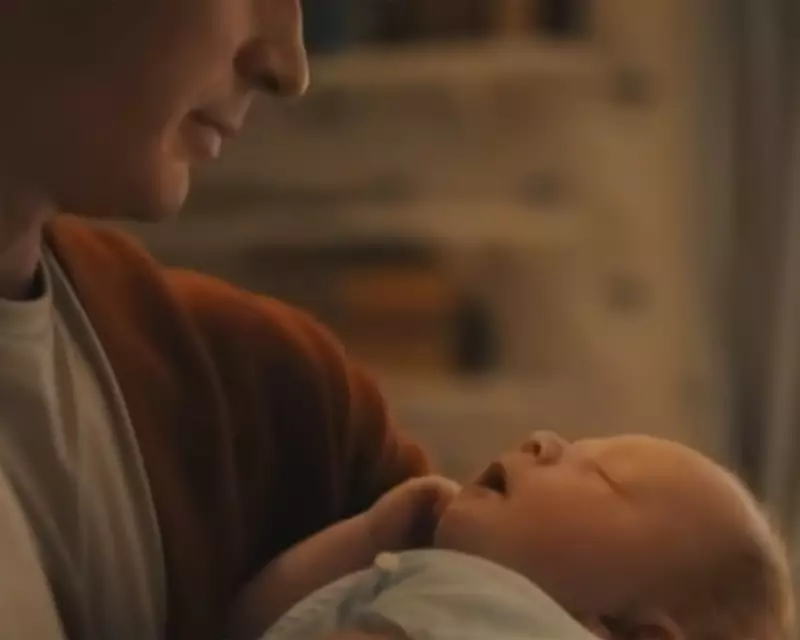
With the film not due until December 2025, Marvel has begun a drip-feed of promotional content that reveals astonishingly little. The campaign, described by some as 'confidence marketing', has so far included a glimpse of Chris Evans's Captain America cradling his baby, Chris Hemsworth's Thor in prayer, and the classic lineup of X-Men looking battle-worn.
These vignettes, including one reportedly shown before Avatar: Fire and Ash, are drenched in dramatic score but offer no narrative clues. They fail to address burning questions from the assembled fandom: primarily, how Doctor Doom is connected to Robert Downey Jr.'s Iron Man, and how characters like the Fantastic Four and X-Men have suddenly appeared in the main Marvel Cinematic Universe timeline after 17 years of absence.

Legacy Characters Take Centre Stage
The promos function primarily as a cinematic headcount. They confirm the return of Evans's Steve Rogers, now with paternal responsibilities, and Hemsworth's Thor, who is still grappling with the legacy of Odin (Anthony Hopkins), who died three films ago. The latest mini-trailer introduces the X-Men, led by Ian McKellen's Magneto and Patrick Stewart's Professor X, who appear to have survived a Sentinel-led apocalypse.
This focus on veteran actors, whose combined age is 171, and familiar faces suggests a strategy aimed at brand reassurance rather than storytelling. The next fragment is expected to feature Ebon Moss-Bachrach's The Thing meeting characters from Wakanda.
Multiverse Explanations and Marketing Misdirection
The overarching suspicion is that the convoluted multiverse concept will be used to explain these sudden character convergences, a narrative device that risks feeling like a cheap shortcut to many viewers. Instead of satisfying curiosity, the marketing has flooded the internet with a 'slurry' of AI-generated fan trailers, making genuine information harder to find.
Engaging with these early glimpses has been compared to watching a magician meticulously prepare without ever performing the trick. The promos imply trauma and past disasters but provide no sense of mission or objective for the heroes. All narrative hope seems pinned on Doctor Doom, who must presumably unite these threads and transform the film from an exercise in nostalgia into a coherent story.
If the film fails to do this, Avengers: Doomsday risks becoming a lengthy, sombre epilogue where demigods apologise to their families or meet variant versions of themselves, all while waiting for Downey Jr.'s villain to explain his motives. As the hype builds a full year ahead of release, the question remains: has Marvel's storytelling become lost in its own multiverse?