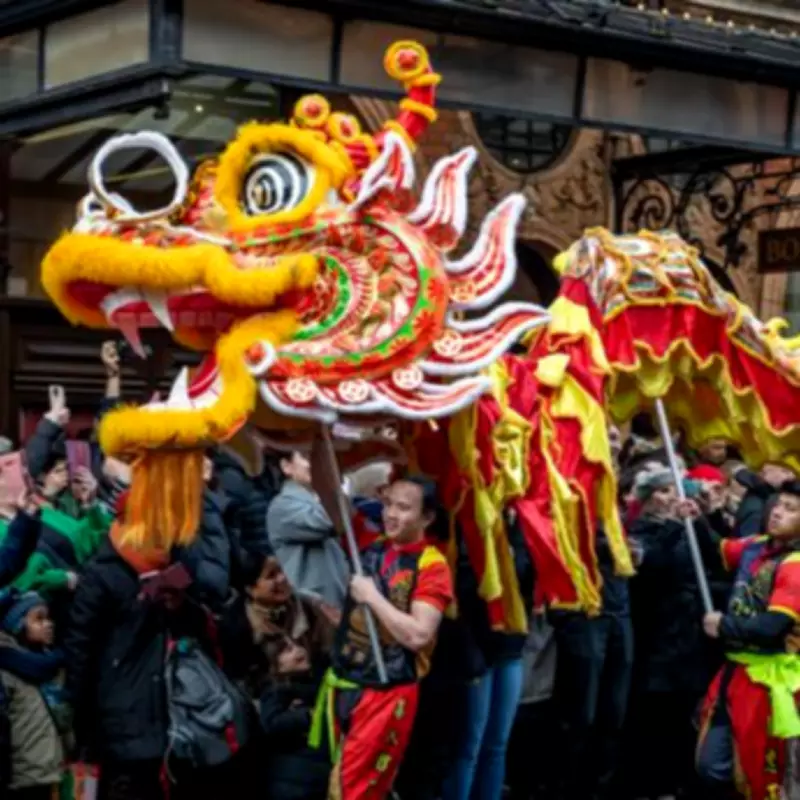
The Dawn of the Fire Horse: Chinese New Year 2026 Arrives with Lunar Celebrations
Chinese New Year, widely recognized as the Lunar New Year, commences with the second new moon after the winter solstice in December, typically falling between late January and late February. The exact date varies annually based on lunar cycles, and in 2026, the Year of the Fire Horse officially begins on February 17. This vibrant festival ushers in a 15-day Spring Festival, spanning from the new moon to the full moon, filled with joyous celebrations but also steeped in traditions aimed at warding off misfortune.
Understanding the Zodiac and Elemental Significance
Each Chinese New Year corresponds to a specific animal from the zodiac, with individuals born during this period, from February 17, 2026, until the next Lunar New Year in 2027, being designated as Fire Horses. The zodiac includes other creatures such as the rabbit, pig, dog, rat, and ox, among others. Additionally, the lunar cycle incorporates one of five elements—fire, earth, metal, wood, or water—linked numerologically to the year's final digits. For the Fire Horse year, wearing red is considered auspicious, as it symbolizes luck and prosperity, according to cultural beliefs highlighted by sources like the Express.
Six Traditional Taboos to Sidestep Bad Luck on Chinese New Year's Day
To ensure a fortunate start to the Lunar New Year, travel website China Highlights outlines six activities to avoid on the first day, rooted in long-standing superstitions. Adhering to these practices is believed to help prevent bad luck and attract positive energy throughout the year.

- Do Not Sweep or Dispose of Rubbish
Sweeping on Chinese New Year's day is associated with sweeping away wealth, while taking out rubbish symbolizes dumping good fortune from the home. This tradition emphasizes preserving prosperity within the household. - Avoid Using Unlucky Words
Steer clear of words with negative connotations, such as those related to death, sickness, poverty, or ghosts. Instead, use euphemisms, like saying "somebody is gone" rather than "somebody died," to maintain a positive atmosphere. - Refrain from Eating Breakfast Porridge
Consuming porridge for breakfast on the first day is deemed unlucky, as its association with poverty could manifest as a poor year ahead. This superstition discourages humble meals to avoid attracting financial hardship. - Do Not Wash or Cut Hair
Washing hair on Chinese New Year's Day is seen as washing away one's fortune, while cutting hair might bring misfortune to uncles. These beliefs highlight the importance of preserving personal luck and family well-being. - Avoid Washing Clothes
The first and second days of the new year are celebrated as the birthday of the water god, so washing clothes is considered disrespectful and akin to pouring away wealth. This taboo honors deities and safeguards prosperity. - Do Not Wear Black or White Clothing
While red is a lucky color, black and white are associated with mourning and should be avoided. Opting for vibrant hues like red helps attract good fortune and joy during the celebrations.
By observing these six taboos, individuals can navigate the Year of the Fire Horse with greater confidence, embracing the cultural richness of Chinese New Year while aiming for a luck-filled start. The festival's blend of celebration and tradition offers a unique insight into lunar-based customs that continue to resonate globally.