V&A Dundee Unveils Catwalk: The Art of the Fashion Show Exhibition
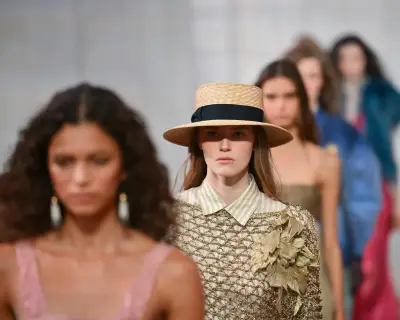
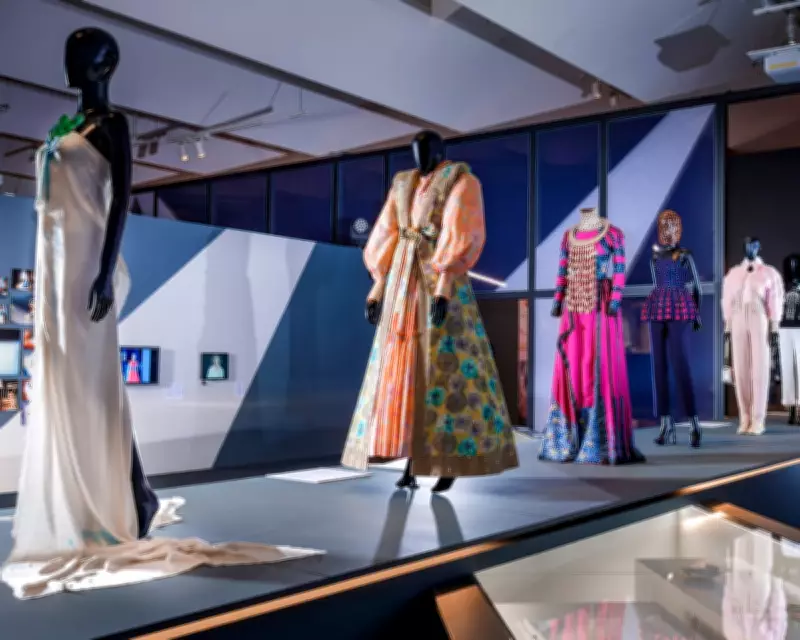
V&A Dundee is currently hosting a groundbreaking exhibition titled Catwalk: The Art of the Fashion Show, which vividly brings to life more than a century of fashion history. This immersive display traces the remarkable journey of the catwalk from its origins in the discreet salons of 19th-century London and Paris to the extravagant global spectacles of today. According to museum director Leonie Bell, the fashion show profoundly influences our clothing choices and purchasing decisions, making this exhibition a timely exploration of its cultural impact.
Scottish Designers and Iconic Artifakes Take Center Stage
The exhibition prominently features the work of renowned Scottish designers, highlighting their contributions to the fashion world. Notable pieces include an orange and white dress from Glaswegian designer Christopher Kane's debut London Fashion Week collection in 2007, coinciding with his recent appointment as creative director of Mulberry. Additionally, visitors can admire an elaborately layered "queen of hearts"-style dress by Charles Jeffrey Loverboy and a tartan kilt paired with a Fair Isle jumper from Nicholas Daley, who is of Jamaican-Scottish heritage.
Among the treasures on display is a green suede sandal with ivy leaf embellishments, created by Manolo Blahnik for Ossie Clark's 1971 London show. Blahnik, then new to shoemaking, forgot to insert steel pins in the heels, causing models to wobble down the runway. Surprisingly, the press interpreted this as a deliberate stylistic choice, with photographer Sir Cecil Beaton dubbing it "a new way of walking," turning a potential career disaster into a fashion moment.

Historical Evolution and Global Influence
The exhibition begins with the introduction of mannequins vivants (living mannequins) in the 1850s, used by fashion houses like Worth, Lucille, and Paquin to present designs to society women. Over the next century, the catwalk became the definitive method for showcasing fashion. Co-curator Svetlana Panova notes that in the 20th century, shows moved from salons to public spaces such as gardens, ocean liners, and horse races, revolutionizing them as marketing tools.
The rise of ready-to-wear fashion in the 1950s and 1960s further transformed catwalk dynamics, shifting from the stilted movements of haute couture to more energetic displays. Examples include Paco Rabanne's "unwearable" metal mirror dress and Mary Quant's burgundy vinyl raincoat with a matching sou'wester hat, both featured in the exhibition. Scotland's role in this history is emphasized, with events like the 1938 fashion show at Glasgow's Bellahouston Park and Dior's shows in 1955 and 2024.
Modern Spectacles and Marketing Innovations
In the late 1980s, the emergence of luxury conglomerates elevated fashion shows into immersive spectacles, blending theatrical staging, A-list guests, and stunts to create global cultural events. The exhibition captures this shift through looping screens of key moments, such as Karl Lagerfeld's autumn/winter 2018 Chanel show, where a Chanel-branded rocket blasted off in Paris's Grand Palais. Props on display include a scale model of that set and a Chanel-branded megaphone used in the spring/summer 2015 show, which featured a feminist protest led by models Cara Delevingne and Gisele Bündchen.
Every detail of modern fashion shows is now part of the experience, including invitations. The exhibition showcases items like Lacoste's autumn/winter 2024 invitation made from tennis net slices, Jonathan Anderson's collarette for Dior, and a battered wallet invitation from Balenciaga under Demna Gvasalia. A VR set from Balenciaga's December 2020 pandemic show is also featured, accompanied by a scented envelope designed to evoke unsettling aromas, adding to the show's narrative.
Democratizing Fashion and Cultural Reflections
Despite the elitist perception of fashion shows, Catwalk aims to present a more democratic view. The central room recreates the chaotic backstage environment, with kits from makeup artist Val Garland and hair stylist Sam McKnight, including eclectic wigs for Vivienne Westwood shows. Bell emphasizes that household-name designers collaborate with a team of professionals, highlighting the collective effort behind each show.

The exhibition also connects fashion evolution to broader social and cultural changes, from Mary Quant popularizing miniskirts in the 1960s to digital innovations during the pandemic. Ultimately, Catwalk demonstrates that runway events are not isolated moments but integral parts of culture that both respond to and shape societal trends, inviting everyone to feel part of the guest list.