The Sari's Bold Reinvention: A 5,000-Year-Old Garment Gets a Modern Twist
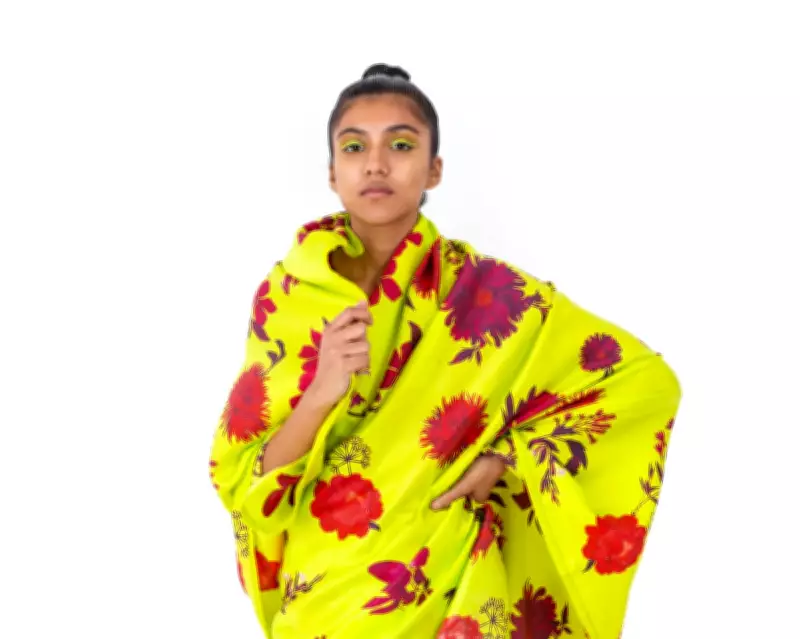
Over its remarkable 5,000-year history, the sari has undergone countless transformations, yet its latest evolution is perhaps the most daring. The Offbeat Sari, a groundbreaking exhibition at Bunjil Place gallery in Melbourne, running until 30 August, celebrates this iconic garment in its contemporary form. Featuring more than 50 ensembles, the showcase highlights how modern designers are reimagining the sari through innovative materials, silhouettes, and styling, blending tradition with avant-garde creativity.
From Traditional Drapes to Stitched Concepts
Exhibition curator Priya Khanchandani points to an early example of this radical shift: a foil jersey sari designed by Tarun Tahiliani for Lady Gaga's 2010 debut performance in Delhi. Adorned with Swarovski crystal chains, this 'concept sari' is stitched into its draped form, a departure from the traditional unstitched style. While this innovation initially gained popularity among the Indian diaspora, it sparked debate among traditionalists who argue the sari should always remain unstitched. Khanchandani notes, 'Traditionalists think that the sari should always be unstitched,' highlighting the tension between preservation and progress in sari design.
Reviving Heritage Techniques with a Modern Flair
The exhibition also delves into the revival of nearly lost techniques, such as mashru silk weaving. This method, which nearly disappeared in the 20th century, uses two types of fibre—silk on one side and cotton on the other—creating a thicker fabric traditionally woven for Muslim communities. Khanchandani explains, 'The progressive sari movement is very much about the handmade,' emphasizing a return to artisanal craftsmanship. Similarly, designer Ashdeen Z Lilaowala adds a twist to the Parsi Gara style, using deep purple silk crêpe to challenge traditional color palettes, with embroidery influenced by Chinese, Indian, and Persian motifs from the opium trade era.
Innovative Materials and Practical Solutions
Contemporary saris are pushing boundaries with unconventional materials. For instance, designers Abraham & Thakore have created sequins from recycled plastic bottles and X-rays found in hospital waste, adorning a pre-stitched sari. Khanchandani remarks, 'Wow, this is the sari reinvented. There's something sassy about this,' capturing the exhibition's spirit of surprise and innovation. Other practical innovations include a parachute nylon sari by brand Huemn, designed for cooler weather in northern India, and a 'sari sleeve' by Studio Medium, made from Shibori-dyed organza to eliminate the need to hold dangling fabric.
Blending Luxury with Structure
Traditionally, formal saris were embellished with heavy beading, but modern designs weave luxury directly into the fabric. A pleated sari with gold accenting creates a rigid structure, while the pallu—the shoulder-draping part—forms diagonal lines across the body. Khanchandani notes that this approach allows for a sense of opulence without added ornamentation. Additionally, designer Rimzim Dadu uses materials like stainless steel wires to craft a pallu that evokes 'molten gold,' yet retains surprising softness and movement.
A Return to Color and Tradition
Despite these innovations, the exhibition also celebrates a resurgence of traditional forms. A rich emerald green sari by Raw Mango recalls the Bansari style, with a large gold panel and floral butahs dotting silk brocade. Khanchandani observes that for some, contemporary saris mean total reinvention, while for others, it's a return to roots. Sanjay Garg, founder of Raw Mango, has revitalized bright, fluorescent saris, making them trendy again after they fell out of fashion in the 1990s.
Through The Offbeat Sari, visitors are invited to explore how this ancient garment continues to evolve, balancing heritage with cutting-edge design. As Khanchandani sums up, the exhibition showcases a 'new energy' that redefines the sari for the modern era, proving its enduring relevance and adaptability.