Nike's Deliberate Departure from Emma Raducanu Marks Strategic Shift
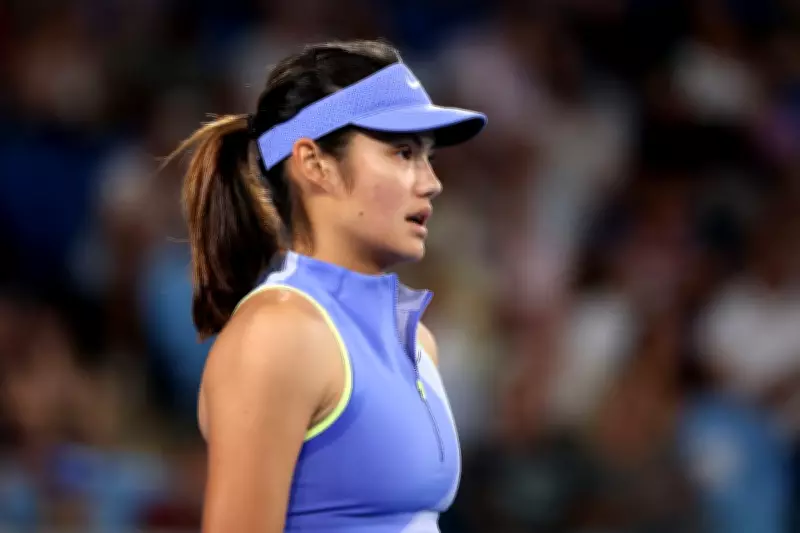
When tennis star Emma Raducanu was announced as a new ambassador for Japanese apparel brand Uniqlo in a deal reportedly worth £2.6 million annually, many observers framed it as another high-profile athlete walking away from sportswear giant Nike. However, this interpretation oversimplifies a more nuanced corporate strategy. Nike rarely loses athletes by accident; when relationships end, it is typically a calculated decision.
A Conscious Uncoupling Rather Than a Messy Split
This separation appears to be a strategic reset for both Raducanu and Nike, rather than a contentious breakup. The apparel behemoth is currently executing a significant turnaround plan under chief executive Elliott Hill. His "Win Now" strategy, unveiled in 2025, clearly refocuses the business on performance sport. This means fewer retro releases and lifestyle-driven storytelling, with renewed emphasis on winning athletes who possess current, credible competitive narratives.
Hill has signaled priority around core categories including running, basketball, football, and training—areas where Nike believes it maintains both heritage and growth potential. Within this context, tennis and Raducanu seem to have slipped down the priority list.
Raducanu's Current Positioning and Uniqlo's Logical Fit
Emma Raducanu remains one of the most recognizable names in British sport, following her remarkable victory at the US Open. However, sustained on-court success has proven elusive since that breakthrough. While there have been signs of recovery, her appeal currently resides as much in culture and lifestyle as in elite athletic performance.
This makes Uniqlo a logical partnership. The brand has positioned Raducanu around its LifeWear range—a lifestyle proposition rather than a technical performance play. She becomes the most high-profile active player on Uniqlo's roster and will likely anchor global campaigns. Crucially, this partnership does not depend entirely on tournament victories in the way a performance-focused Nike deal might.
For Raducanu, it represents security and scale. For Uniqlo, it delivers global visibility and cultural relevance. And for Nike? This move exemplifies strategy in action.
Parallel Moves in Golf and the Broader Market Realignment
The same strategic logic appears to apply in golf. Nike recently allowed its deal with Tommy Fleetwood to expire, despite his strong performance and current world ranking of third. Nike's golf roster already includes figures like Rory McIlroy and Scottie Scheffler, who deliver both competitive results and major commercial pull in the critical US market.
Fleetwood's response has been unconventional. Rather than immediately signing a long-term apparel deal, he has been seen wearing a mix of brands—from Lululemon to Vuori—effectively creating a live audition. This approach maintains his visibility, sparks conversation, and may ultimately strengthen his negotiating position.
Viewed holistically, neither situation is about winners and losers. Raducanu transitions to a brand aligned with her current value proposition. Nike tightens its roster around a clearer performance narrative. Fleetwood explores the market from a position of strength. This represents not a breakup, but a strategic realignment within the dynamic world of athlete endorsements.