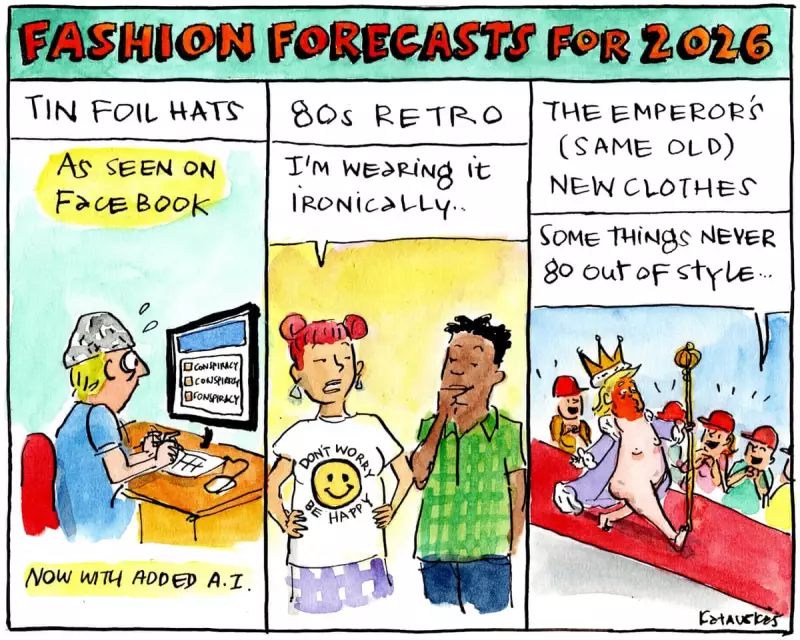
As the calendar turns to 2026, the fashion world stands on the cusp of a new era, shaped by the lingering influences of the past few years and bold steps into a more technologically integrated future. The trends forecast for the coming year suggest a fascinating blend of practicality, digital expression, and a deepened commitment to sustainability.
The Legacy of Lockdown and the Rise of 'Anxious Dressing'
The seismic events of the early 2020s, particularly the global pandemic, continue to cast a long shadow over our sartorial choices. Experts analysing the path to 2026 identify a phenomenon dubbed 'anxious dressing'. This trend sees consumers gravitating towards clothing that offers a sense of comfort, security, and even nostalgia.
This manifests in a continued love for relaxed, hybrid styles that bridge the gap between home and office. However, it also fuels a desire for 'dopamine dressing' – bold, uplifting colours and prints that serve as an antidote to uncertainty. The key takeaway is that emotion, more than ever, is driving purchasing decisions, with people seeking garments that act as both armour and a mood-enhancer.
Technology Weaves Into the Fabric of Fashion
2026 is poised to be a landmark year for the integration of technology and apparel. The conversation is moving beyond mere online shopping into the realm of the clothes themselves. Digital-only fashion and wearable technology are transitioning from niche concepts to mainstream considerations.
We can expect to see more innovation in smart fabrics that regulate temperature or monitor health metrics. Furthermore, the proliferation of augmented reality (AR) and virtual spaces will accelerate the market for digital garments – unique items to be worn by avatars in online metaverses. This creates a new, entirely digital layer to personal style and luxury, challenging traditional notions of wardrobe value.
Sustainability Shifts from Buzzword to Business Imperative
The environmental imperative is no longer a fringe concern but a central pillar of the fashion industry's evolution. By 2026, consumer demand for transparency and eco-conscious practices will be louder than ever. Trends will heavily favour circular fashion models, upcycling, and rental services.
Brands will be expected to provide clear evidence of ethical sourcing, reduced water and carbon footprints, and end-of-life plans for their products. Materials derived from innovative sources, such as lab-grown leather or fabrics made from agricultural waste, will become more prevalent. The trend is towards a slower, more considered fashion cycle where quality, repairability, and longevity trump fast, disposable trends.
In conclusion, the fashion landscape of 2026 is being sculpted by a powerful triad: the psychological need for comforting and expressive clothing, the unstoppable march of technological integration, and the non-negotiable demand for sustainable practice. The result promises a year where what we wear is more personal, more intelligent, and more responsible than ever before.