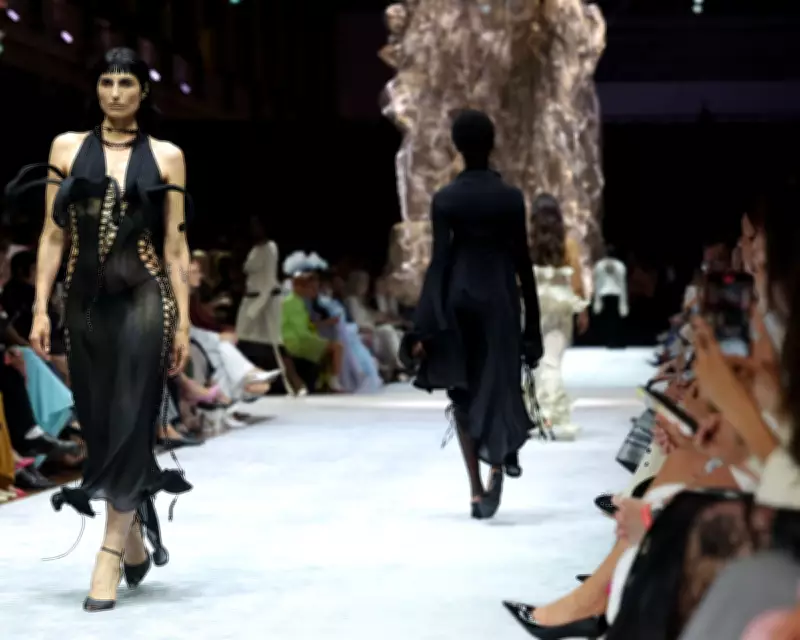
The selection process for this year's National Designer award at the Melbourne Fashion Festival became one of the most contentious in recent memory, sparking a fierce debate among judges over the prize's fundamental purpose. Established in 1997, the award is widely recognized as a crucial stepping stone for aspiring Australian designers to achieve legacy status, with past winners including renowned names like Toni Maticevski and Romance Was Born.
Judges Divided on Award's Core Mission
During a heated two-hour meeting, the seven-member judging panel failed to reach a consensus, highlighting a deep conflict: should the award champion raw creativity or favor commercial appeal and established track records? This division underscored broader questions about the fashion industry's direction in Australia.
Winner Emerges Amidst Controversy
Ultimately, the Brisbane-based label Joaen, led by creative director Grace Kelly and her mother Mandy Kelly, secured the victory. As an emerging but commercially focused brand, Joaen's win reflected a tilt toward business readiness, according to some panelists. However, other finalists like Sydney-based Haluminous and Beare Park were also considered strong contenders, with judges passionately advocating for their unique merits.
Megha Kapoor, a creative director and judge, strongly supported Haluminous, praising its futuristic designs that evoke early Sass & Bide or past winner Christopher Esber. "The whole point is that you find a talented designer with that creative spark and a unique point of view. They don't have to be perfect because you'll give them the support to become a commercial brand," Kapoor argued. She expressed disappointment, calling the outcome a "missed opportunity" to nurture a more innovative voice.
Judging Criteria and Industry Perspectives
Designers were evaluated across five categories, with "innovative, creative and cohesive design aesthetic" accounting for 40% of the total score, while brand vision and business strategy held less weight. Despite this, Kapoor noted that the final decision "leaned toward commercial readiness," suggesting a gap between the award's stated priorities and its practical application.
Melvin Tanaya, another judge and co-founder of Song for the Mute, acknowledged the difficulty of this year's selection, contrasting it with past years where winners were more clear-cut. "We won the award in our first year of business. It was the first time we believed we might be able to make it," he recalled, emphasizing the award's potential to boost confidence and business prospects. Tanaya later reached out to Haluminous designer Hannah Teresa Kim to offer mentorship, recognizing her talent outside the official award framework.
Commercial Considerations and Past Precedents
The prize includes a $20,000 award and a business development package from sponsor David Jones, adding a commercial dimension to the judging. Chris Wilson, an executive general manager at David Jones, admitted to considering "hanger appeal" alongside other factors, reflecting the retail perspective. Of the past five winners, only Alémais is currently stocked at David Jones, raising questions about the award's long-term commercial impact.
Caroline Ralphsmith, CEO of the Melbourne Fashion Festival, reflected on the differences between this year and last, when winner Amy Lawrence represented a non-commercial, bespoke approach. "I think we probably didn't have the equivalent of an Amy Lawrence in the mix this year," she said, noting that Lawrence's holistic vision made it easier for judges to rally behind her.
Finalists and Industry Crossroads
Beare Park, another Sydney-based finalist founded by Gabriella Pereira, presented a more established commercial profile with a flagship store and David Jones wholesale experience. However, some judges viewed awarding it as "too easy," preferring to focus on future potential rather than current success.
This debate occurs as the Australian fashion industry faces significant challenges, including threats to local manufacturing and ongoing transformations at Australian Fashion Week. For emerging brands, the National Designer award represents a rare opportunity for stability and recognition. Kapoor emphasized the need for a global outlook, urging judges to consider "what is reflective of this moment in fashion" rather than personal preferences.
The intense deliberations highlight the ongoing tension between artistic innovation and market demands, shaping the future of Australian design in an evolving landscape.