Belfast's Fashion Renaissance Through Historic Linen
On a cobbled street in Belfast's vibrant Cathedral Quarter, nestled between a trendy coffee shop and a popular ice-cream parlour, the Kindred of Ireland boutique represents more than just fashion. It stands as a symbol of Belfast's remarkable transformation, where artfully oversized butter yellow linen blouses and exquisite Donegal mulberry tweed jackets are breathing new life into the city's identity.
The Return of Linenopolis
Half a century after the Troubles, Belfast is rediscovering itself through the very industry that once defined its prosperity. Linen, the fibre that built Belfast's wealth and earned it the nickname Linenopolis, is experiencing a remarkable resurgence as a marker of contemporary identity and sustainable fashion.
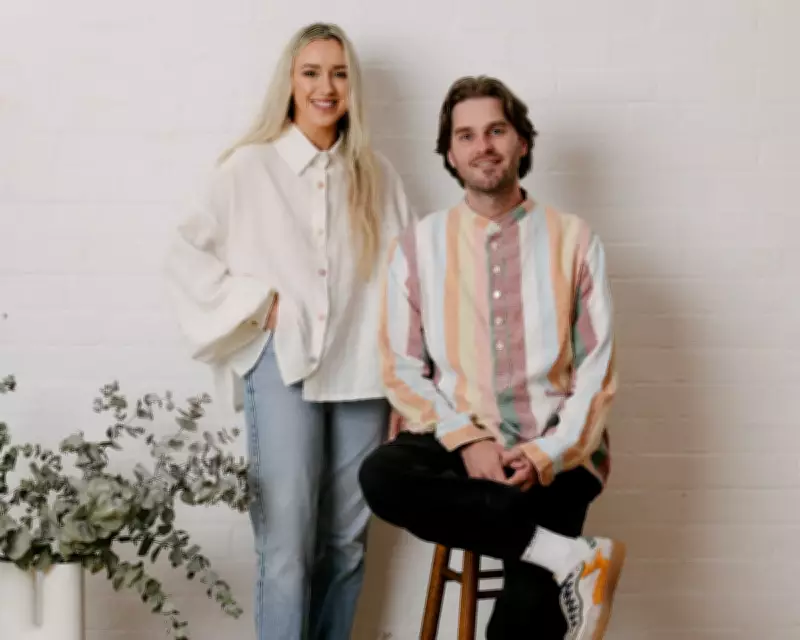
"Belfast has long been viewed through a very narrow lens, associated with division, trouble and violence," explains Amy Anderson, the 32-year-old designer behind Kindred of Ireland, which she runs with her husband Joel. "But the city has changed enormously over the last two decades."
Anderson's personal connection to linen runs deep. Her grandmother Winnie worked as a "millie" in the Moygashel linen mills, a story shared by many Belfast residents whose relatives once formed part of an industry that employed 40% of Northern Ireland's working population at its peak.
Modern Design Meets Heritage Craft
This revival represents more than mere nostalgia. Anderson's contemporary aesthetic incorporates Japanese-inspired avant garde volume and asymmetric shapes, with linen's soft structure providing the perfect foundation for her architectural pieces. The material's natural properties make it ideal for modern fashion while maintaining its historical significance.
The challenge of reviving Belfast's virtually extinct linen industry has brought together an unlikely coalition of supporters. Designer Sarah Burton, the Prince and Princess of Wales, and former blacksmith Charlie Mallon have all become champions of this textile renaissance.
From Field to Fashion: The Complete Linen Journey
Charlie Mallon has transformed his 150-year-old Magherafelt family farm into a centre for regenerative flax growing and processing. By restoring heritage machinery, Mallon aims to complete the entire journey from field to fibre, preserving the long line structure that makes traditional linen less prone to creasing.
"Linen is the original performance fabric," Mallon asserts, highlighting its beauty, durability, and comfort. His work stands in contrast to modern processing methods that shorten fibres and increase creasing.
Royal Interest and Fashion Inspiration
The royal connection to Belfast's linen revival became particularly evident when the Prince and Princess of Wales visited Mallon Farm during a Northern Ireland tour. The Princess of Wales, who has expressed interest in sustainable fashion and regenerative farming, made a special exception to discuss fashion with both Mallon and the Kindred of Ireland founders.
Meanwhile, Sarah Burton's visit to Northern Ireland while leading Alexander McQueen inspired the brand's spring 2020 collection. Particularly captivated by the 150-year-old beetling machines at William Clark factory, Burton incorporated the distinctive pearlised lustre of beetled linen into a stunning puff-sleeved ivory gown that graced the Paris catwalk.
Cultural Recognition and Commercial Success
The theme of Belfast's fashionable renewal extends beyond retail to cultural institutions. The Ulster Museum's Ashes to Fashion exhibition commemorates the 50th anniversary of a devastating fire that destroyed most of a 10,000-piece fashion collection. The exhibition showcases everything from an 18th-century silk ballgown to contemporary pieces by Irish designers including Philip Treacy, Jonathan Anderson, and Kindred of Ireland.
Commercially, Kindred of Ireland's six-week Mayfair pop-up in 2024 proved to be "commercial rocket fuel" for the brand, according to Joel Anderson. The business benefits from Northern Ireland's unique position with full access to UK markets while maintaining alignment with certain EU single-market rules under the Windsor framework.
As Belfast continues to weave its new identity, linen serves as both a tangible connection to the city's industrial past and a sustainable thread connecting it to a fashionable, forward-looking future.