The Modern Puzzle Phenomenon: Seeking Order in Chaotic Times
In a world that often feels chaotic, confusing, and unfair, millions are turning to puzzle games for solace. The digital puzzle craze that exploded during the Covid pandemic shows no signs of slowing down, with New York Times subscribers now spending more time playing puzzles on their app than reading news articles. This represents a profound cultural shift toward seeking structured mental engagement in unstructured times.
The Neuroscience of Puzzle Satisfaction
Modern neuroscience confirms what puzzle enthusiasts have long suspected: completing puzzles releases positive neurotransmitters in the brain, most notably dopamine. This chemical reward system creates a satisfying feedback loop that keeps players returning for more. The phenomenon isn't new—newspapers discovered puzzles' addictive qualities as early as 1814 when steam-powered printing made mass distribution possible. By 1925, the Chicago Department of Health reported America was gripped by "crossworditis" thanks to puzzles' irresistible "mental kick."
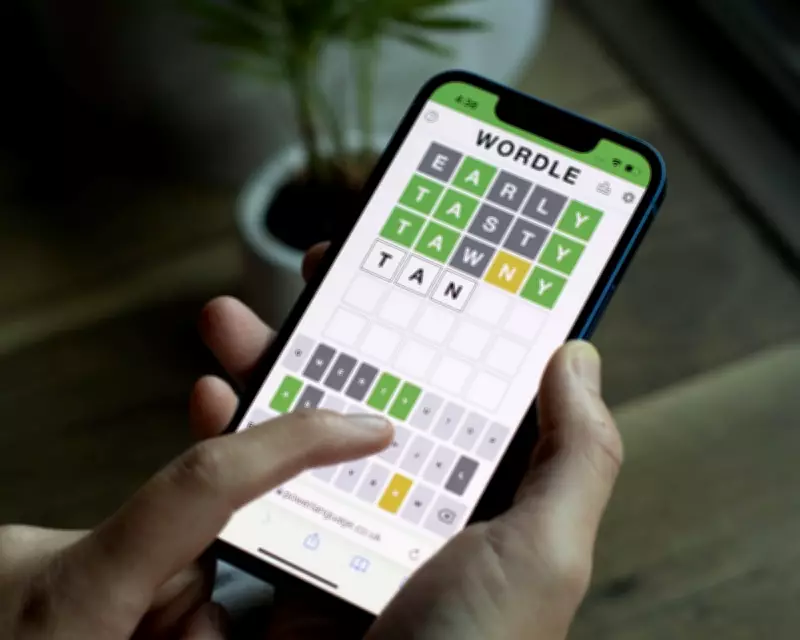
Today's puzzle landscape includes everything from Wordle and Tradle to Sudoku and crossword variations. Colleagues compare notes on lunch breaks about which country exports approximately 45% fish and 50% crustaceans (Greenland), while friends maintain nightly Sudoku rituals before sleep. The Guardian's Word Wheel has become a morning coffee companion for many, creating new daily routines centered around mental challenges.

Escaping the Digital Attention Economy
Social media platforms have been repeatedly shown to raise anxiety levels and scatter attention, creating what researchers call "skittish" cognitive patterns. Puzzles offer a powerful antidote to this digital fragmentation. Instead of experiencing Instagram-induced FOMO or doomscrolling through endless news cycles, puzzle players focus on a single, solvable problem. The haptic reassurance of holding a phone remains, but the experience transforms from passive consumption to active engagement.
An Italian player uses Wordle primarily to expand his English vocabulary, while another sees puzzle games as "resistance to a world that's killing our brains." At dinner parties with people approaching their 40s, multiple guests confess feeling their mental sharpness slipping, blaming both social media algorithms and AI advancements for cognitive decline.
The Mental Gymnasium Theory
The rise of puzzles may mirror the historical rise of recreational sports in the 19th and 20th centuries. As physical labor declined, people began exercising intentionally to maintain physical fitness. Similarly, as AI handles increasing amounts of cognitive labor and social media overloads our attention spans, puzzles may serve as the mental gym that keeps our brains in shape.
Research supports this theory, showing that puzzle games stimulate neuroplasticity—helping the brain form new connections while enhancing memory, focus, and creative thinking. Like physical sports, puzzles have become social activities, with players sharing results and debating strategies across digital platforms.
Cultural Reflections and Historical Parallels
Puzzles often reflect the cultures that produce them. The famous illustrator Tomi Ungerer from Alsace claimed he only did English and French crosswords because German ones were "never fun." Historical evidence supports this cultural distinction: the first English-language crossword published in 1913 began with the word "fun," while the first German Kreuzworträtsel in 1925 asked about "Germany's pressing obligation?" with the answer being "reparations."
This cultural specificity extends to personal memories as well. Many recall grandparents leaning over newspaper crosswords with sharpened pencils, temporarily unavailable as they escaped to parallel puzzle universes. These moments offered refuge from ennui and busy family life—a solace arguably more needed in our 21st-century reality.

The Utopian Appeal of Puzzles
Beyond escapism and mental exercise, puzzles offer something increasingly rare in modern life: clear rules and definitive solutions. In a world where political leaders openly use office for personal gain and foreign policy operates with questionable morality, puzzles maintain strict meritocracy. There are no alternative facts in crossword puzzles—a wrong letter is simply wrong, and a correct solution is clearly right.
Unlike cryptocurrency speculation or social media virality, puzzles don't reward luck or bluffing. They reward effort, thought, and accumulated knowledge with immediate feedback. Adult life often operates in uncertainty—at work and home, we rarely know if we're doing things right until it's too late. Puzzles provide instant clarity about where we stand.
The Psychology of Closure
Swiss author Nina Kunz articulates a modern anxiety: "In the present day, nothing ever ends... That makes me nervous. Because I like conclusions and neatly wrapped-up endings. I need full stops and final sentences to be able to understand what's going on."
Puzzles directly address this need for closure. While LinkedIn feeds continue indefinitely and life accumulates loose ends, puzzles can be completed. The satisfaction of filling the final square or finding the last word provides psychological completion increasingly absent from digital existence.
A Fair and Orderly Alternative Universe
For a few minutes each day, puzzle players get to inhabit a fair, orderly world where rules are clear, problems are solvable, and effort is rewarded. This soft space on our phones becomes hard to resist in a confusing age. More importantly, these moments reassure us that our brains can still deduce patterns, recognize linguistic connections, and engage in meaningful play.
We are reminded that we remain capable of comprehending the world—if only the world would present itself as clearly as a well-constructed puzzle. As sales of quiz books hit record highs (up 24% from 2024) and digital puzzle engagement continues climbing, it's clear this isn't just a passing trend but a fundamental response to modern cognitive and emotional needs.