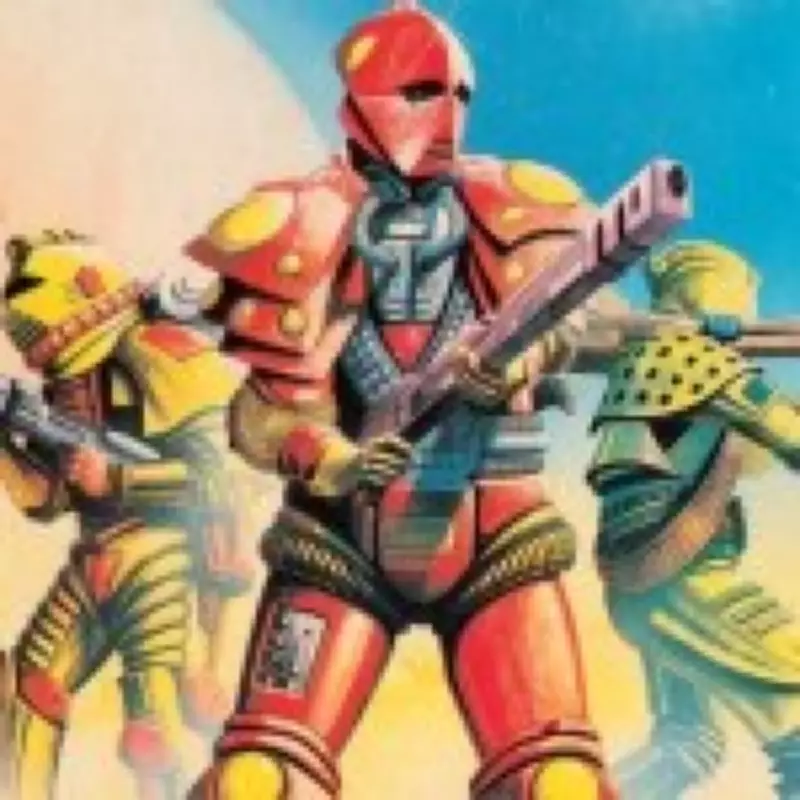
Laser Squad: A Timeless ZX Spectrum Strategy Game
In an era dominated by high-tech gaming consoles, one reader reveals a deep-seated passion for Laser Squad, a ZX Spectrum game released in 1988. This turn-based strategy title, created by the acclaimed developer Julian Gollop, continues to be a staple in his gaming routine nearly four decades later. The connection to the modern XCOM series adds a fascinating layer to this enduring classic.
The Legacy of 8-Bit and 16-Bit Gaming
Recent discussions among older fans have revived memories of the 8-bit and 16-bit eras, with a strong focus on British-centric systems like the ZX Spectrum, Commodore 64, Amiga, and Atari ST. These formats, largely overlooked in the US and Japan, hold a nostalgic charm for those who experienced them firsthand. The ZX Spectrum, in particular, was considered low-tech even at its peak, making it less appealing to newer generations. As the reader notes, sharing these games with younger audiences can sometimes lead to disappointment, as seen with his daughter's reaction.
While titles like Ant Attack and others from the Speccy library are celebrated, Laser Squad stands out for its strategic depth. Julian Gollop's other works, such as Rebelstar and Chaos, are also mentioned, but Laser Squad's absence in some conversations is surprising. Released slightly later, it built on Gollop's expertise and remains a personal favorite for many.

Why Laser Squad Endures
For children of the 1980s, the ZX Spectrum was more than just a gaming device; it was a social hub and a prized possession. Multiplayer games were rare, but Laser Squad excelled due to its turn-based mechanics, allowing for engaging local play. Players would huddle around the screen, swapping seats and promising not to peek during each other's turns—a practice that fostered camaraderie and lively debates.
Laser Squad is often recognized as the precursor to XCOM, sharing similar combat features like action points, overwatch, and permadeath. However, it differs in its focus on multiplayer, whereas XCOM is primarily single-player. The game offers various scenarios, from assassinations to rescue missions, all set on unique maps that spark the imagination despite simplistic graphics.
Gameplay and Modern Adaptations
Playing Laser Squad today involves emulation, often through devices like The Spectrum mini-console from Retro Games. This setup preserves the original experience, with one player controlling human soldiers and the other managing defensive forces like robots or mercenaries. The social aspect remains a key draw, as players argue and strategize in real-time.
While a remake with online multiplayer would be welcome, the reader admits that the original Speccy version holds a special place for local play. Despite its age, Laser Squad's core mechanics feel timeless, proving that great gameplay transcends technological limitations. It remains trapped on what some might call "living dead" formats, yet it continues to rule in households dedicated to retro gaming.
Final Thoughts
Laser Squad exemplifies how classic games can maintain their appeal through innovative design and social interaction. As the gaming industry evolves, titles like this remind us of the foundational elements that make video games enduring. For those who grew up with the ZX Spectrum, it's not just a relic but a living testament to the joy of shared gaming experiences.