Retirees Discover New World Through Dance: 'One of the Best Decades of My Life'
As Angela Rippon's Let's Dance campaign aims to get the nation moving this week, older dancers are sharing remarkable stories of how they overcame initial nerves to discover dance's profound benefits. From former solicitors to retired bankers, these seniors have found vitality, community, and unexpected joy through movement.
'I Need to Move': From Solicitor to Senior Dancer
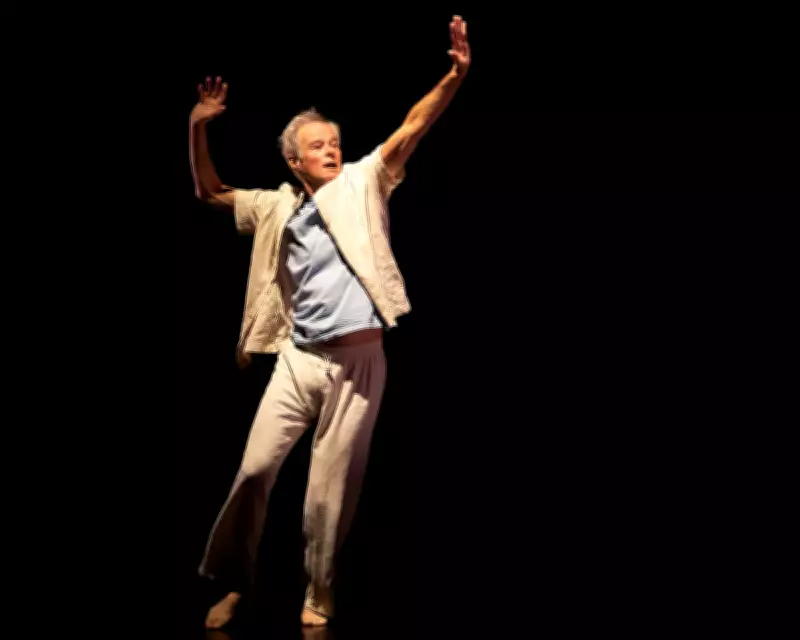
Suzanne Tarlin, a former solicitor from London, heard herself saying 'I need to move' in retirement at age 71. Despite finding the prospect 'terrifying' initially, she discovered senior ballet and contemporary dance classes at a community centre. 'The teachers who do this stuff are incredibly patient and good-humoured,' she recalls, ten years later. 'People come with all sorts of backgrounds and levels of expertise.'
Tarlin's dance journey expanded dramatically:

- Senior contemporary classes at Rambert dance company
- Over-60s classes at The Place, home to London Contemporary Dance School
- German tanztheater sessions at Morley College for adult education
- Creative workshops and performance groups, including intergenerational projects
Her most memorable performance involved dancing with Rambert and Ballet National de Marseille at the Southbank Centre, where she commandeered an industrial road cleaner and slid off a beat-up limousine. At The Place, she crawled around stage in a costume made of cables. 'Growing old gracefully has clearly not been a dance goal,' she notes. 'I suppose the dreaded word is "wafting" - being a bit pretty, drifting around waving a scarf.'
Through dancing, Tarlin built a new social network and deepened her appreciation for dance as an art form. 'It's learning without trying to learn, I suppose. By doing.'
Former Banker's Dance Renaissance
Diego Robirosa, 72, began dance classes a decade ago and declares: 'It has been one of the best decades in my life, and a lot of that is thanks to dance and what it provided me with, on all levels.' The former merchant banker from Suffolk had loved watching dance since youth but faced practical and social barriers earlier in life.
'When my daughter began classes at DanceEast in Ipswich, I noticed they had a course for older people,' Robirosa explains. 'I wanted to join then, but she was a bit embarrassed about me being there too, so I waited another four years before starting.'
With more time available and less concern about masculine stereotypes, he began exploring various styles:
- Ballet ('I really needed to have started earlier')
- Floor work ('it put me through the paces')
- Contemporary dance, which became his preference
Robirosa's journey led to performing with the legendary Tanztheater Wuppertal as an extra in Pina Bausch's Viktor in London and Antwerp. 'Crazy!' he says. 'But how incredibly stimulating.' He discovered 'a new world, not only to do with physical activity, but also with creativity and exploration.'
The Science Behind Dance's Benefits
Professor Daisy Fancourt, author of Art Cure, investigates how arts activities like dance benefit physical, mental and social health. 'When people engage in dance,' she explains, 'they experience beneficial processes that other art forms activate.'
These include:
- Activation of neural reward centres in the brain
- Increases in neurotransmitters involved in happiness
- Improved emotional regulation through diversion or cathartic expression
- All the benefits of exercise, plus additional advantages
'Controlled trials among middle-aged and older people report better cardiovascular health outcomes from dance compared with other kinds of non-artistic exercise,' Fancourt notes. 'In other words, we know that it's not just about the exercise.'
She advocates for greater awareness among individuals and policymakers about dance's health and economic benefits. These findings support initiatives like the national Let's Dance day on 8 March, which aims to get people dancing for personal and societal good.

Dance as Unexpected Lifeline
Jeanette Boundy, a retired local education officer from West Yorkshire, discovered dance as an unexpected lifeline four years ago at age 64. 'Did I feel sick with nerves walking in!' she recalls of her first Dance On event organized by Yorkshire Dance. 'But they were so welcoming.'
This marked a turning point following personal tragedy. Ten years earlier, her husband died suddenly from a brain haemorrhage, and months later she suffered a pulmonary embolism. 'I think I felt guilty that I survived and he didn't,' she reflects. 'If I started to sing, I felt guilty. If I laughed, I felt guilty. But I didn't even know that, until that first dance session. It was amazing. I forgot the anxieties, straight away.'
Since beginning dance, Boundy has performed, joined a community choir, and volunteered as an NHS social prescriber. 'Dance is the best medication,' she declares. 'Nowadays, if I'm at a family party or going out socially - which I've started doing now - then I'm always the first up dancing. I don't know what others think ... but who cares?!'
While many describe dance's special ingredient as joy, perhaps vitality better captures this awakening toward life itself. As these retirees demonstrate, dance offers far more than physical movement - it provides connection, creativity, and renewed purpose in later years.