Kontakthof's Original Dancers Return After 48 Years in London Revival
In a remarkable theatrical event that bridges nearly five decades, Pina Bausch's seminal 1978 dance work Kontakthof has returned to London's Sadler's Wells with its original cast members, now in their 70s and 80s. This special revival, titled Kontakthof - Echoes of '78 and devised by original cast member Meryl Tankard, presents a profound meditation on time, memory, and the human experience through the lens of dance.
A Dance Hall Through Time
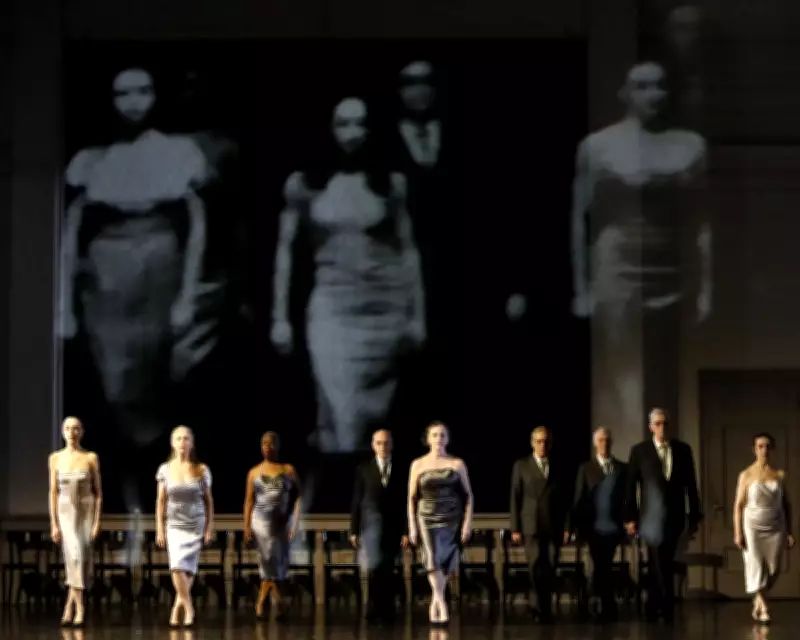
The production features eight original performers from the 1978 premiere, with a ninth unable to participate in this current run. These dancers, including Arthur Rosenfeld (nearly 74), Meryl Tankard (70), Josephine Ann Endicott (76), and others, perform their original roles while being accompanied by projected film footage of their younger selves from the initial production. This creates a powerful visual dialogue between past and present, with the dancers literally mirrored by the spectres of their former selves.
The performance unfolds in a dance hall setting accompanied by 1930s music, maintaining Bausch's original vision of a detached observation of human courtship rituals and gender dynamics. The work examines the petty cruelties, intimidation, and questions of consent that characterize much human interaction, presented with Bausch's signature blend of theatricality and emotional honesty.

Time Folded Upon Itself
What makes this production particularly moving is its layered approach to time. The black-and-white film projection shows not only the living performers in their youth but also includes cast members who have since passed away. This creates palpable absences on stage, most poignantly when John Giffin performs a duet with his former partner who appears only on film, reaching out to touch empty air where she once stood.
The production functions as a living palimpsest, with multiple temporal layers simultaneously visible. We witness the loneliness of a young woman at a dance juxtaposed with the loneliness of an older woman, the same performer separated by nearly half a century. Yet despite the passage of time, the vitality of these performers remains undiminished. The women still wear pale silk dresses carefully fitted to their bodies, parade proudly in high heels, and move with a grace and fearlessness that defies their years.
Personal Revelations and Universal Themes
During an interlude when the lights come up, the cast introduces themselves with surprising candor. While some offer cryptic self-descriptions like "I am paranoid and a misanthrope" from Beatrice Libonati (71), Tankard cuts through with raw honesty, stating "I do wish I'd had children. I miss my mother every day." These personal revelations underscore the production's central theme of loss as a constant presence in human life.
The production also highlights Bausch's choreographic patterns, particularly her use of walking motifs where performers slice across the stage or circle endlessly. This creates a sense of continuity and cyclical repetition, suggesting that despite the passage of time, humanity continues treading similar paths. The music persists until the last person stops dancing, emphasizing the ongoing nature of human experience.
A Legacy That Keeps Giving
Kontakthof has seen numerous iterations since its 1978 premiere, including a memorable 2010 London production featuring two casts—one of teenagers and another of nonprofessional dancers over 65—performing the same choreography with completely different life experiences. However, this current revival represents something unique: the original artists returning to their creation after nearly half a century.
Josephine Ann Endicott's reaction to seeing her younger self on film captures the production's spirit perfectly. "She still can dance and no one can stop her," she declares gleefully before sweeping across the stage with remarkable grace and energy. For many in the audience, particularly middle-aged women, her performance offers an inspiring vision of aging with vitality and continued passion for one's art.

The production continues at Sadler's Wells through April 11, offering London audiences a rare opportunity to witness living history in motion—a dance that truly keeps on giving, evolving with time while preserving the essence of Bausch's original vision.