Kyoto's Geisha Prepare for Historic Miyako Odori Spring Dance Festival
In the historic city of Kyoto, geisha and their apprentices, known as maiko, are deep in rehearsals for the annual Miyako Odori spring dance festival. This cherished tradition has been performed continuously for more than 150 years, showcasing the rich cultural heritage of Japan's former capital.
A Tradition Spanning Centuries
The Miyako Odori, which translates to "Capital City Dances," was first performed in 1872 during the inaugural Kyoto Exposition. Since then, it has become a cornerstone of Kyoto's cultural calendar, celebrated each April to mark the arrival of spring. The dance festival is held at the Gion Kōbu Kaburenjo theatre, where performances occur four times daily throughout the month.
Artistic Excellence and Training
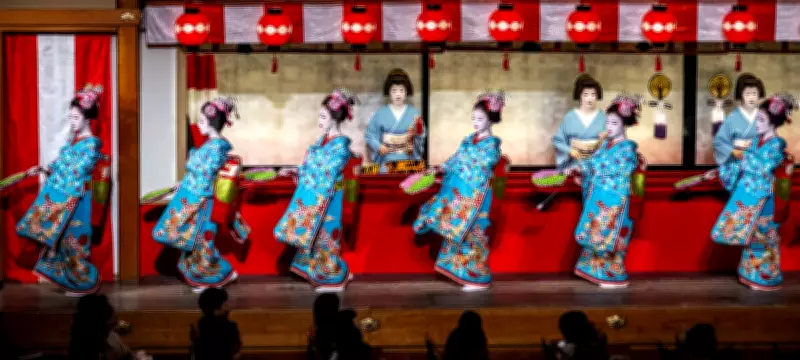
The festival highlights the extensive theatrical and musical training undertaken by geisha. Each performance is meticulously structured into eight distinct parts, forming a single act that traces the seasons from spring onward. The opening scene features all performers in light-blue kimonos, engaging in an ensemble piece known as the so-odori, or grand dance.
Accompanied by live music from the shamisen, a traditional three-stringed instrument, the dancers bring to life stories drawn from Japanese history and classical literature. The performances integrate elements from Noh theatre and Bunraku puppet theatre, demonstrating a fusion of artistic disciplines that has been refined over generations.
Symbolism and Celebration
Set against a backdrop of cherry blossoms, the Miyako Odori symbolizes the renewal and beauty of spring. The dances are performed in front of hundreds of spectators, creating a vibrant atmosphere that connects the audience with Japan's artistic legacy. This event not only entertains but also preserves the intricate skills and traditions passed down through Kyoto's geisha community.
As preparations intensify, the dedication of the geisha and maiko ensures that this historic festival continues to captivate and inspire, maintaining its status as a premier cultural event in Kyoto and beyond.