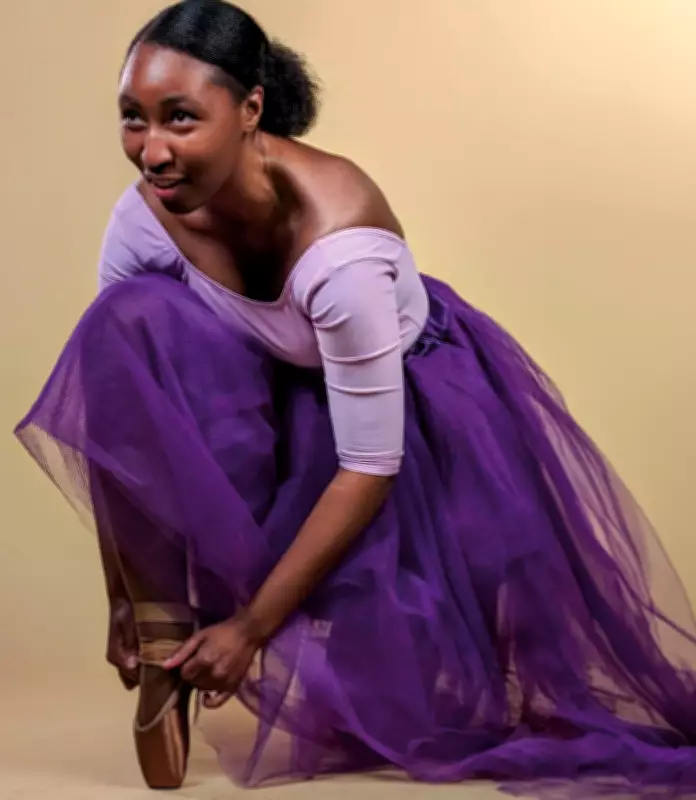
Flat Feet in Ballet: Breaking Down Barriers and Myths in the Dance World
In the highly competitive realm of ballet, where the pursuit of "perfect" feet has long been idealized, dancers with flat feet often face unwarranted stigma and exclusion. This damaging perception not only limits opportunities but also deprives many of the joy and artistry that ballet offers. However, a growing movement led by professionals like Ruth Essel and Alex Maureen is challenging these outdated norms, proving that flat feet are not a barrier to success but a unique aspect of diversity in dance.
The Personal Journey: Rediscovering Ballet After Years of Doubt
Returning to ballet after a six-year hiatus can evoke a mix of emotions, as one dancer shares. The joy of reconnecting with a childhood passion is tempered by the discomfort of past experiences, where flat feet led to feelings of inadequacy and eventual withdrawal from the art form. Ballet demands immense physical strength, particularly in pointe work, where body weight is supported on the toes. Struggling with this technique often leaves dancers believing their bodies are ill-suited for ballet, a misconception that ignores the thriving careers of flat-footed professionals.
The industry's obsession with high arches has perpetuated this myth, with some dancers resorting to "farches" or fake arches to create an illusion of flexibility. This focus on aesthetics over ability overlooks the true potential of diverse foot structures, reinforcing harmful stereotypes that need to be dismantled.

Voices of Change: Ruth Essel and Alex Maureen Lead the Way
Ruth Essel, a London-based ballet teacher and founder of Pointe Black, and Alex Maureen, a performer and instructor at New York University, exemplify resilience in the face of adversity. Both Black ballerinas with flat feet, they reject the notion that their foot type is an obstacle. Instead, they highlight how negative messaging from teachers—such as being told they "wouldn't make it" or that flat feet are inherent to Black people—can lead to silent withdrawal and a lack of proper guidance.
Through research and open dialogue, Essel and Maureen have deconstructed these discouraging beliefs. Essel, with a background in psychology, delved into anatomy and developed exercises to strengthen ankles and improve foot mobility. She emphasizes that pointe performance involves a holistic combination of factors, including foot flexibility, strength, ankle mobility, calf strength, and core stability. Maureen adds that flat feet vary in form and do not automatically result in weak pointe work; for instance, her flexible ankle top enhances her performance.
Practical Solutions: Injury Prevention and Proper Training
Injury prevention is critical for flat-footed dancers, who may tend to land on their heels. Maureen learned this firsthand after experiencing a hairline fracture in college, where a physical trainer taught her the importance of weight distribution. Both educators stress that teachers must unlearn stigmas, adapt to different body types, and consult specialists when needed. Essel notes a lack of Black pointe shoe fitters in the UK, underscoring the need for diverse expertise in the field.
To ensure safe progression, Essel and Maureen implement checklists for students before they begin pointe work. Maureen often accompanies students to shoe fittings, advocating for customized solutions like cutting the shank to fit individual arches. She asserts, "It is not that flat feet are not made for pointe work. You just need your shoe to work for you, not against you." This personalized approach can prevent discomfort and dropout, as many dancers abandon ballet when pointe work becomes challenging without adequate support.

Empowering the Next Generation: A Call for Inclusivity and Self-Compassion
Essel reflects on the sadness of dancers who stop ballet due to pointe-related discomfort, a fate she and others have narrowly avoided. Her own experience with an unhelpful fitter who offered no alternatives highlights the need for better education and resources in the industry. For aspiring ballerinas with flat feet, Maureen's advice resonates deeply: "Give yourself grace. Be kind to yourself." This message encourages dancers to view their feet as strengths rather than weaknesses, fostering a more inclusive and supportive environment.
As the dance community evolves, embracing diversity in all forms—including foot structure—is essential for artistic growth and accessibility. By challenging stereotypes and promoting tailored training, figures like Essel and Maureen are paving the way for a future where ballet celebrates every body, allowing more individuals to rediscover and sustain their passion for this beautiful art form.