In a world saturated with instant digital notifications, the simple act of sending a postcard is experiencing a quiet but profound renaissance. For writer Minoli Wijetunga, these tangible pieces of card are far more than souvenirs; they are a deliberate and artistic method of maintaining meaningful human connections across the miles.
The Tangible Labour of Love
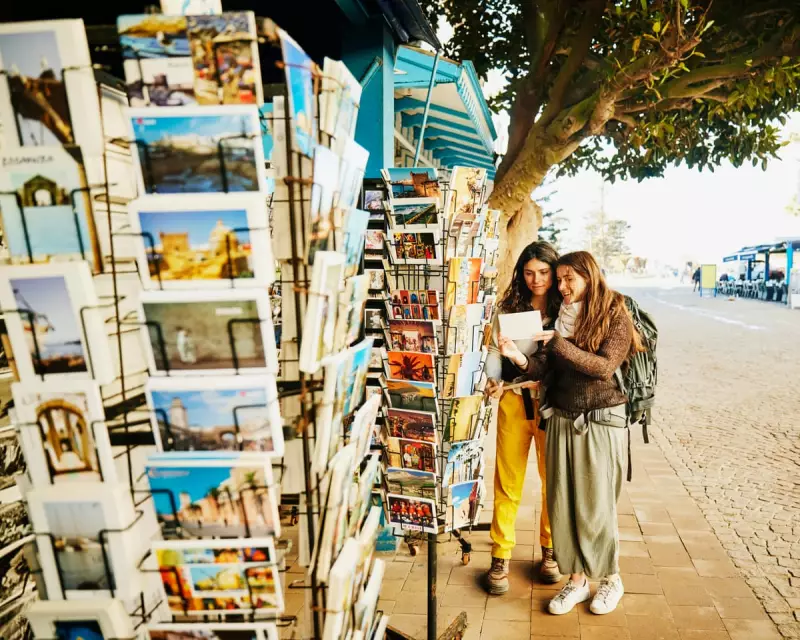
Unlike a story on Instagram that vanishes in a day or a WhatsApp message lost in a crowded feed, a postcard is a physical object. It demands a conscious effort, from selecting the perfect image that speaks to a shared memory or interest, to the therapeutic process of composing a message by hand. The sender invites the recipient into a specific moment—a sunny park bench or a rattling train carriage—making them a part of that experience.
The ritual extends to procuring stamps and finding a postbox, culminating in the act of release. There is no delivery notification; the card enters the world, embarking on its own journey beyond the sender's control. This very uncertainty is part of its charm, a stark contrast to the tracked and traced nature of modern life.
A Community Witnesses the Connection
While intended as a private note between two people, the journey of a postcard often involves a wider, unseen community. Wijetunga imagines postal workers glancing at the messages they handle. This theory became reality when a postcard she received from her partner, featuring a humorous image of 'Bronzed Aussies', prompted her local postman to share a laugh about it with her surprised mother.
This incidental sharing underscores how postcards can spark unexpected moments of human interaction. They facilitate a connection witnessed by others, serving as a small, physical anchor for community in an age where deep dialogue can feel increasingly rare.
Rediscovering Connection and Creating New Traditions
For Wijetunga, a fascination with postcards began in childhood, poring over albums filled with cards sent to her parents. Later, she began collecting them for herself, honing the skill of choosing one that captured the essence of a place and her feelings there. It was during the isolation of the Covid pandemic, however, that she fully rediscovered their power to bridge distance, using them to share mundane yet intimate details of her day with loved ones.
This practice evolved into a new tradition. She began sending postcards to Chethi, the three-year-old son of a close friend, from her travels. From Vietnam, she sent a card depicting a girl in a nón lá hat, explaining how they were made. From Japan, her partner drew origami cranes on a card, and she wrote about the tradition of a thousand cranes.
The circle was beautifully completed three years later when Chethi sent his first postcard in return: a drawing of a monster. His mother explained that, according to the young artist, it was "a good monster with powers and weapons" who would look over and bless Wijetunga. That card now holds pride of place on her fridge, a daily reminder of a connection nurtured through the post.
In the end, the humble postcard stands as a powerful antidote to digital ephemera. It is a slow, considered, and deeply personal artefact that carries not just a message, but a story, a moment, and a tangible piece of care across the world.