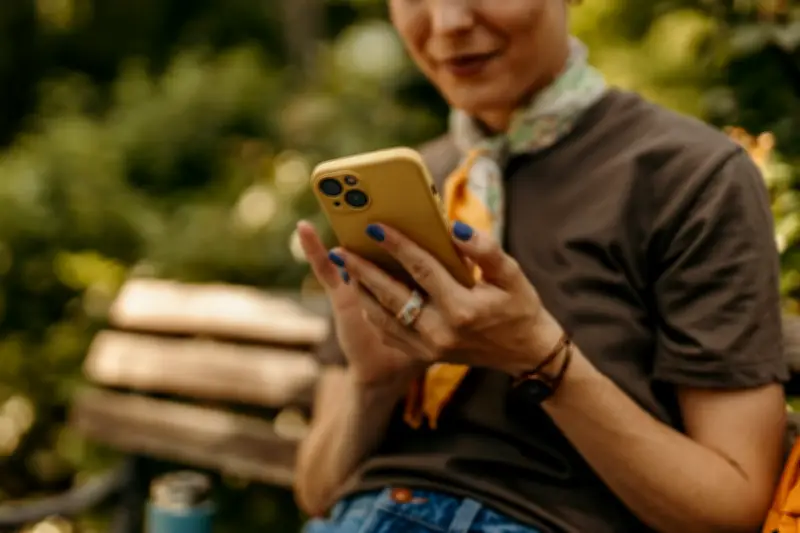
Samantha Allemann, a freelance writer based in Melbourne, decided to revive the lost art of the social phone call after craving the immediacy and unfiltered rawness of real-time conversation. She scrolled through her contacts and started dialing, beginning with the letter A.
The shock of an unexpected ring
Her first call was to friend Adrian, known for about a decade but rarely chatted with. He answered with a slight questioning lilt, too polite to ask why she was calling. Within minutes they were chatting as though no time had passed. But many friends responded with alarm: “Is everything OK?” asked friend Paul after four dial tones. Everything was fine; she just wanted to talk.
Allemann notes that many people no longer make social calls, even those who grew up obsessed with home phones. After years of hearing the same startled response, she got the message: texts were preferred. Now, communication channels abound: Friend A prefers texts; Friend B loves voice notes but won’t answer calls; Friend C communicates entirely in reels; Friend D enjoys phone chats but rarely texts; Friend E and Allemann communicate mainly by email, despite living only 30 minutes apart.
An age divide in phone call comfort
As she called more friends, Allemann noticed a clear age divide. Her Gen X friends and relatives either answered or called straight back, unfazed by the unexpected ring. About half of her fellow millennials picked up, but always with a note of curiosity or concern. Kate, for example, was alarmed to get a call instead of a text. Once assured everything was fine, they settled into a chat about parenting, parents and roast chicken. Kate recounted how her dad once texted “please call me IMMEDIATELY” – only to ask what type of roast chicken she wanted for dinner.
During her calling spree, Allemann heard about new jobs, weekend plans, gigs, exhibitions and baby sleep schedules. But some calls were harder. One friend sobbed over the phone about family issues; Allemann listened, resisting the urge to give advice. “You’re being a friend,” the friend replied. Another friend laid out a work incident that sent him spiralling and time spent in a psychiatric ward – details that had remained hidden in their text-based friendship.
The performance of curated communication
Allemann reflects that so much can remain hidden when friendships are maintained through reels, typed messages or curated voice notes. Voice notes allow recording, pausing, starting over – editing out the crack in your voice, the rehearsed enthusiasm, the weariness. A spontaneous phone call, by contrast, catches you off guard and reveals the unfiltered truth.
She recalls a conversation with documentary maker Kirk Docker, creator of You Can’t Ask That, who wondered: “Why don’t we call people any more?” Allemann couldn’t remember the last time a friend had rung simply to chat – or the last time she had done that. So she took action.
A call for real connection
The next time her phone rings unexpectedly, Allemann admits she too might assume something is wrong. But maybe everything is also fine – maybe someone just wants to talk. In a world determined to isolate us, friendship may be the best way to keep each other alive, she concludes.