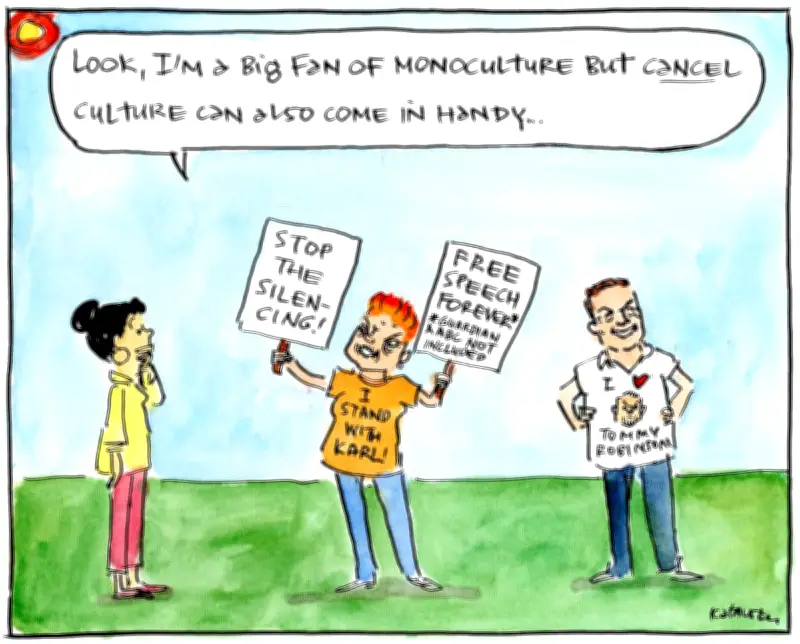
Pauline Hanson, leader of One Nation, has once again ignited controversy with her remarks on Australian culture, advocating for a vision that prioritizes exclusion over inclusion. In a recent interview, Hanson stated that she wants a culture that reflects traditional Australian values, which she defines narrowly, leaving little room for multiculturalism.
Hanson's Narrow Definition of Culture
Hanson argued that Australian culture should be based on Anglo-Celtic heritage, dismissing contributions from other ethnic groups. According to her, this is the only way to preserve national identity. Critics have pointed out that this perspective ignores the rich diversity that defines modern Australia.
"We need to go back to our roots," Hanson said in the interview. "Our culture is being eroded by political correctness and immigration." This statement has drawn sharp criticism from community leaders and politicians across the spectrum.
Impact on Multiculturalism
The remarks have reignited debate about Australia's multicultural policies. Data from the Australian Bureau of Statistics shows that over 30% of Australians were born overseas, highlighting the country's diverse makeup. Hanson's vision, if implemented, could alienate large segments of the population.
"Hanson's idea of culture is not only outdated but also dangerous," said Dr. Sarah Ahmed, a cultural studies expert at the University of Sydney. "It promotes division rather than unity."
Political Reactions
Prime Minister Anthony Albanese condemned the comments, reaffirming his government's commitment to multiculturalism. "Australia is stronger because of its diversity," he said. "We will not let divisive rhetoric tear us apart."
Other political figures have also weighed in, with some calling for a broader conversation about national identity. The debate underscores the ongoing tension between traditionalism and progressivism in Australian society.
Public Sentiment
Public opinion appears divided. A recent poll by the Lowy Institute found that 60% of Australians believe multiculturalism has been good for the country. However, support for Hanson's One Nation party remains at around 5%, indicating that her views are not widely shared.
As the discussion continues, it remains to be seen what kind of culture Australia will embrace in the coming years. For now, Hanson's vision stands as a stark contrast to the inclusive ideals many Australians hold dear.