The Mockumentary's Decline: From Spinal Tap to Charli XCX's Brat Movie
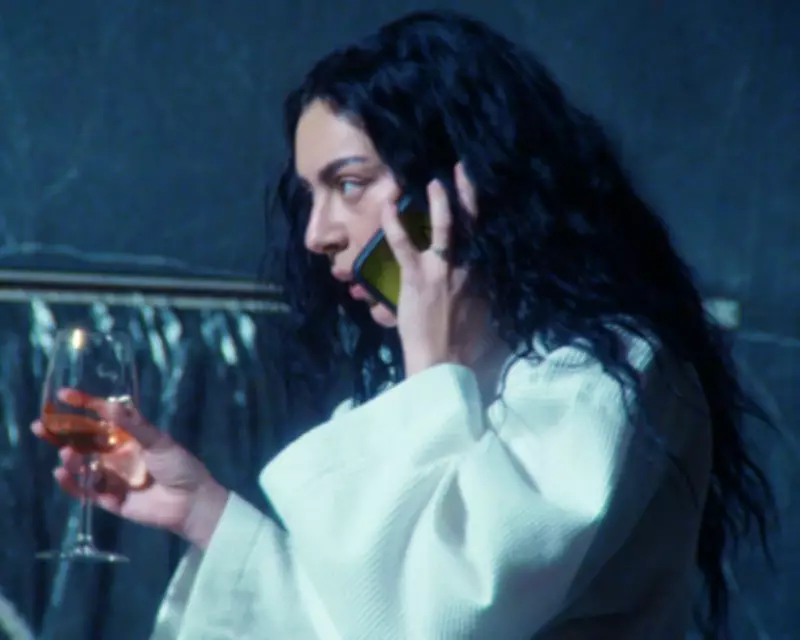
The satirical mockumentary genre, once a brilliant vehicle for skewering cultural phenomena with comic ingenuity, now appears to be gasping for its last breaths. In the recent film The Moment, pop star Charli XCX grapples with the end of Brat summer, the cultural movement that propelled her sixth album to stardom. However, the movie itself, featuring Charli as a fictionalized version of herself, struggles to deliver impactful jokes amidst her identity crisis, lacking the electrifying energy of her 2024 album. Watching The Moment after its tepid reception at Sundance, one senses not the death of Brat, but rather the slow demise of the mockumentary style itself.
How Did Mockumentaries Become So Tiresome?
Originally a fresh narrative format masterfully utilized by directors like Christopher Guest and the late Rob Reiner, the mockumentary now feels nearly as stale as the formulaic films it aims to parody. This is a disheartening development. For decades, faux-documentary filmmaking thrived under the creative minds of comedy legends, from Monty Python's Eric Idle, who mocked Beatlemania with the irreverent 1978 mock-doc The Rutles: All You Need Is Cash, to Albert Brooks, who debuted with the 1979 proto-reality TV spoof Real Life.
In 1984, Reiner infused improvisational vitality into the heavy-metal parody This Is Spinal Tap, a film that turned comic ingenuity up to eleven and made a fictional band of tousle-haired doofuses seem more authentic than their MTV counterparts. Its legacy endures; Spinal Tap paved the way for Guest's own series of mockumentary classics, including Waiting for Guffman, Best in Show, and A Mighty Wind, still cherished for their eccentric characters, improvised dialogue, and ensemble casting. These films used the mockumentary format to lend an air of realism to characters who were both outrageous and utterly ordinary.

The Stagnation of a Once-Vibrant Genre
Unfortunately, Guest has not directed a film in ten years, and recent mockumentaries have failed to capture the enduring appeal of his work. This includes, ironically, Spinal Tap II: The End Continues, featuring Guest, which has some humorous moments, such as a sleazy music promoter neurologically incapable of processing music. However, its release was overshadowed by Reiner's tragic murder in December, and the film often feels like a nostalgia exercise, straining to recapture the original's magic, much like many legacy sequels.
In many ways, the mockumentary's stagnation mirrors the creative decline of documentaries themselves, where celebrity-focused projects often resemble legacy-building exercises rather than substantive works. Like numerous showbiz documentaries, Spinal Tap II and The Moment rely heavily on high-profile celebrity cameos instead of depth. The Moment, with its handheld shots of Charli navigating label meetings and tour rehearsals, superficially mimics behind-the-scenes docs but offers meandering and toothless satire. A effective mockumentary should skewer its subjects, as seen in 2016's Popstar: Never Stop Never Stopping, which lampooned self-absorbed superstars of the Bieber era. In contrast, The Moment presents a muddled portrayal of Charli, reserving its sharpest critiques for a pompous director, played by Alexander Skarsgård, who aims to sanitize her image for a family-friendly concert film.
Contemporary Attempts and Failures
In an era of overly sycophantic celebrity documentaries, NBC's sitcom The Fall and Rise of Reggie Dinkins should ideally skewer the genre. With a meta premise about a washed-up former NFL player, played by Tracy Morgan, hiring an Oscar-winning filmmaker, Arthur Tobin (Daniel Radcliffe), to rehabilitate his image, the show has potential. However, it fails to convincingly portray Tobin's filmmaking, coming across as phony. Rooted in quippy one-liners, it clashes with mockumentary-style realism, serving more as a vehicle for Morgan's bumbling presence than a cohesive satire.

More alarmingly, the genre has been debased by right-wing provocations, such as Matt Walsh's 2024 film Am I Racist?, a sub-Borat take on diversity, equity, and inclusion. This pandering attempt at provocation features Walsh attending antiracist workshops and posing as a woke scold, essentially producing a feature-length version of a inflammatory tweet. While he pranks author Robin DiAngelo into paying reparations, the film frequently cuts to scripted gags, lacking commitment to the documentary format and aiming to validate preexisting beliefs rather than offer new insights.
Glimmers of Hope for the Future
Despite these challenges, hope for the mockumentary persists in small, scrappy projects like Rap World (2024) and Nirvanna the Band the Show the Movie (2026). Rap World, directed by Conner O'Malley and Danny Scharar, captures the janky late-2000s YouTube sensibility with unnerving accuracy, depicting friends making a rap album in suburban Pennsylvania. Nirvanna the Band the Show the Movie, a zany buddy comedy, uses DIY camera setups and real footage of interactions with Toronto passersby to enhance believability in an absurdist time-travel plot.
Both films employ mockumentary techniques and deliberately amateurish styles to bolster viewer investment in fictitious bands and their misadventures. Created on shoestring budgets outside Hollywood, they are inspired and humorous, reminding audiences that the mockumentary is not dead—it simply urgently requires fresh innovation and new creative voices to revive its satirical edge.