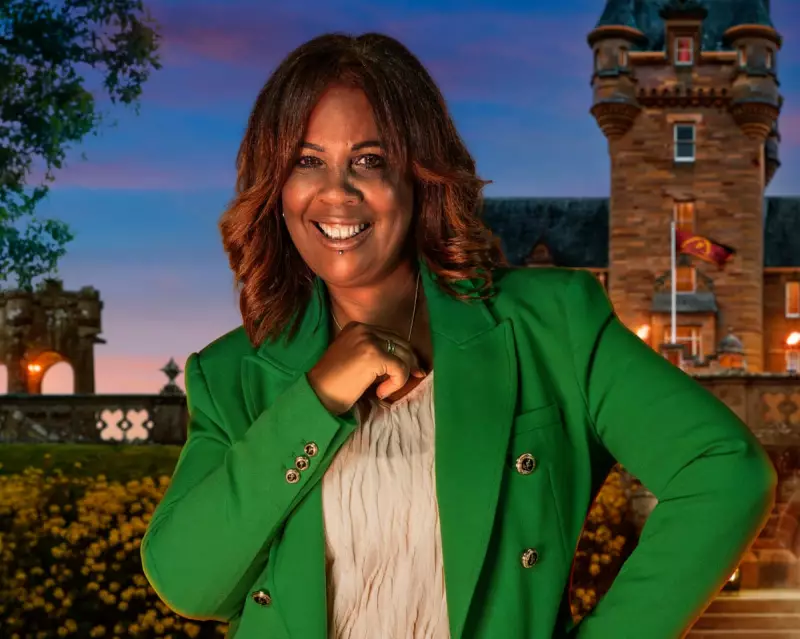
The recent elimination of contestant Judy from BBC's hit show The Traitors has sparked a wider conversation about unconscious racial bias, not just in reality television, but across British society. Comedian and writer Athena Kugblenu argues that the experience of Black contestants on competitive shows is a direct reflection of the inequitable treatment they face in everyday life.
From 'Assertive' to 'Surly': The Double Standard for Black Women
When Judy was accused of being a traitor, a fellow contestant described her as "angry" and "having her back up". For many Black women watching, this critique felt painfully familiar. Kugblenu poses a pointed question to her readers: "Hands up if you’re a Black woman who has been called surly at work when ‘assertive’ or ‘confident’ would have been more appropriate?"
This phenomenon, known as misogynoir, sees Black women judged negatively for behaviour considered neutral or even positive in others. In the high-stakes, suspicion-fuelled environment of The Traitors, these ingrained biases become amplified, potentially influencing voting outcomes.
A Pattern Beyond the Screen: Stop and Search to Penalty Misses
The article highlights that this pattern of differential treatment extends far beyond television studios. Kugblenu connects the dots to several high-profile examples:
- The 2023 tribunal regarding athletes Bianca Williams and Ricardo dos Santos, who were stopped and searched by police in 2020 for seemingly ordinary behaviour.
- The disproportionate furore over Diane Abbott drinking a mojito on a train compared to the reaction to racist comments made about her.
- The virulent backlash faced by Black footballers who miss penalties, compared to their white counterparts.
A 2023 report by the Independent Office for Police Conduct found every single police force in England and Wales stopped and searched ethnic minority people disproportionately, yet none could adequately explain why. This echoes the vague suspicions often levelled at Black Traitors contestants.
Reality TV's Consistent Record of Early Exits
Kugblenu notes this is a persistent trend across the reality TV genre. From Misha B on The X Factor in 2011 to the frequent early rejections of Black women on Love Island, the pattern is clear. Even on Strictly Come Dancing, skilled Black dancers like Tameka Empson and Melvin Odoom have exited prematurely.
The writer suggests that Judy's mistake may have been defying stereotypical expectations of Black people. Initially praised for being "full of life," she was later criticised for being "withdrawn." The UK, Kugblenu observes, often prefers people of colour who affirm rather than challenge preconceived ideas.
Ultimately, Athena Kugblenu concludes that we should not be surprised when reality television mirrors reality. "The Traitors is filmed in Scotland, not a post-racial paradise," she states. While the UK boasts significant Black representation in media, arts, and politics—from newsreaders to the Leader of the Opposition—this visibility can sometimes mask the pervasive, everyday biases that remain. Competitive reality shows, decided by group vote, serve as a stark reminder that when Black presence is subject to popular opinion, the outcome is often unfairly skewed.