Nostalgia often paints the past in a golden hue, especially when it comes to sport. But a journey back to the television schedules of January 1986 reveals a landscape startlingly sparse compared to today's endless buffet of live action.
The Stark Reality of 1980s Sports TV
Rewinding forty years, the week of 18-24 January offered a mere 16 hours of televised sport. This tally included gameshows like 'Bullseye' and 'A Question of Sport'. Live coverage was a rarity. The iconic 'Match of the Day' had just returned after a four-month blackout of Football League highlights, a fact often lost in memories of Maradona and Liverpool's double-winning season.
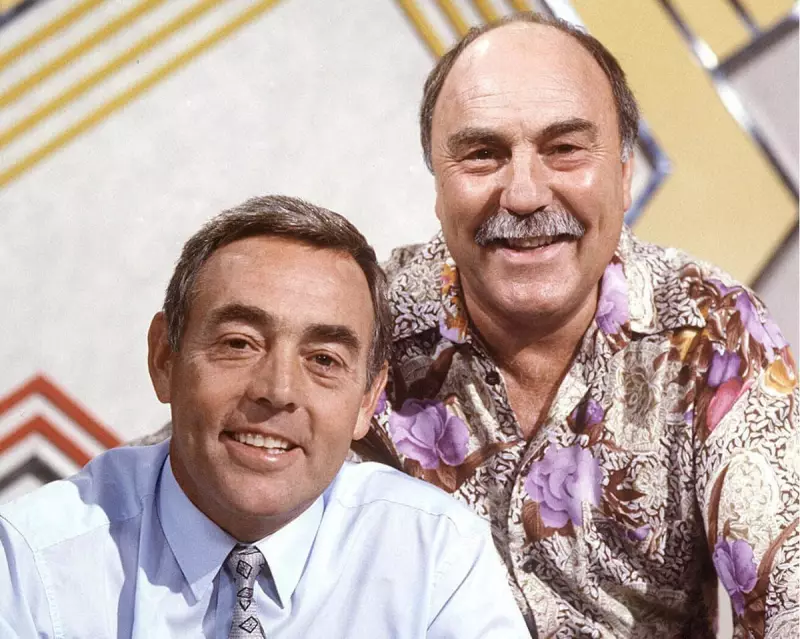
Viewers that week saw recorded horse racing from Haydock Park on 'Grandstand', followed by England's Five Nations rugby win over Wales. ITV broadcast Terry Marsh's European title defence in boxing, while Channel 4 offered indoor athletics from RAF Duxford. For football fans craving live action, there was none. The era of 'Saint and Greavsie' and weekly highlights was the norm, not the exception.
Empty Grounds and Eclectic Experiments
Two other factors from 1986 stand out. First, attendances had plummeted to 16.5 million, the lowest since 1922, with hooliganism and crumbling stadiums keeping fans away. Second, broadcasters, starved of top-tier live football, experimented wildly. Channel 4 covered an astonishing 61 sports, from Aussie Rules to polo. Granada even trialled televised croquet.
Despite the limited choices, sport could still draw massive audiences. 15.35 million watched England's World Cup loss to Argentina, while 9.3 million saw Boris Becker's Wimbledon triumph. Yet, as ITV's then head of sport John Bromley noted, these numbers were dwarfed by soaps. His explanation? "To get really big audiences on television you need women," he said, adding they mostly watched snooker for "something sexual about the players."
The Pay-TV Warning and Today's Reality
Even then, fears about sport's commercial future were growing. Guardian writer Frank Keating warned that "what America does today, Britain does tomorrow," citing the predawn broadcast of a Frank Bruno fight for US TV. BBC director Michael Grade cautioned that selling sport to the highest bidder would "beggar sport itself and impoverish the viewing choices of the British public."
Fast forward to 2024, and while Grade's warnings about fragmentation have partly come true, the consumer's choice is undeniably broader. This past weekend, a viewer could stream the Africa Cup of Nations final, NFL playoffs, top-flight football, tennis, and freestyle skiing—all live. The access to niche and women's sports is unprecedented.
Today's landscape isn't perfect. Football's financial dominance squeezes other sports, and the cost of subscriptions is a genuine concern. However, the argument that we are living in a golden age of sports coverage is compelling. The choice, quality, and accessibility of live sport in 2024 surpass anything available to fans in 1986. Sometimes, the good old days weren't quite as good as we remember.