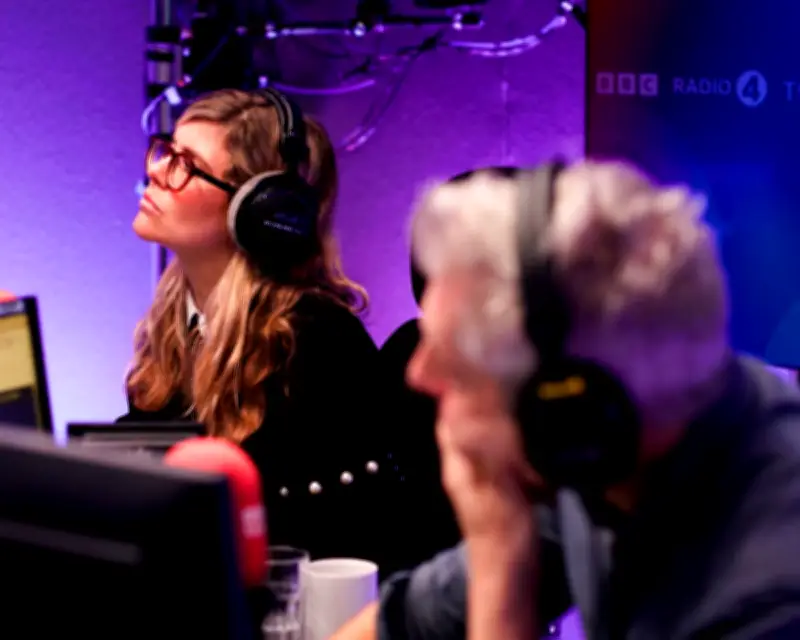
The BBC's flagship Radio 4 news programme, the Today programme, is facing an existential crisis as internal directives prioritize social media platforms like TikTok and Instagram over traditional radio broadcasts. This policy shift has sparked outrage among staff, with one insider describing it as 'an act of vandalism' that chips away at the show's relevance. The programme, which has been on air for 69 years, now attracts around 800,000 daily listeners, a decline from previous decades.
Digital Prioritization Sparks Controversy
A BBC News edict now requires correspondents to prioritize social media over traditional outlets, including the Today programme. This has led to fears that breaking news, such as the death of Russian President Vladimir Putin, might be reported first on TikTok rather than on Radio 4. One anonymous insider told the Guardian that this policy 'serves to chip away the relevance of Today to the life of the nation. This is an act of vandalism pure and simple.' The quote has sparked a guessing game over which presenter might have said it.
Proponents of the digital shift argue that it reflects changing news consumption habits. The Today programme faces competition from LBC's Nick Ferrari, who draws 300,000 listeners, and BBC Radio 5 Live Breakfast, with 200,000 listeners, both of which have rising audiences. The redirecting of correspondents' energies is seen as the BBC adapting to the TikTok era.
Internal Challenges and Presenter Dynamics
The programme also grapples with internal issues. After the departure of Amol Rajan, the hosting roster will shrink from five to four presenters: Nick Robinson, Justin Webb, Emma Barnett, and Anna Foster. Observers note that Robinson and Barnett struggle to share a studio, while only the pairing of Webb and Foster feels balanced. The lack of diversity—two white men and two white women—has been criticized as 'retro' in an era of increasing representation.
Mishal Husain, a former presenter who left the BBC for Bloomberg, is seen as a catastrophic loss. Some suggest luring her back could address diversity concerns and bolster the programme's reputation.
Leadership and Future Outlook
The BBC's leadership under Director General Matt Brittin, a former Google executive, has also fueled anxiety. Journalists view his appointment with suspicion, likening it to 'Darth Vader joining the Jedi.' Brittin's background in operations management contrasts with previous journalist DGs, though not all were successful. The digital repositioning is seen as inevitable, but it poses a threat to Today's relevance, as major events often occur during the 21 hours the programme is off-air.
Despite these challenges, the Today programme remains a significant institution. Its new editor, Rebecca Keating, reportedly wants to encourage more presenter chitchat that can be clipped for social media, potentially adapting to the digital age while preserving the show's essence.