The BBC is preparing to announce a significant round of job cuts within days, marking the beginning of a cost-saving initiative aimed at reducing expenses by £500 million across the corporation.
Job cuts expected imminently
Announcements could come as early as Wednesday, with employees already warned to anticipate a high number of redundancies. Job losses may reach into the hundreds.
New BBC director general Matt Brittin has indicated he will avoid a 'salami slicing' approach to savings, instead favoring decisive actions such as cutting entire services or programs.
While many within the BBC welcome Brittin's approach, it is likely to face opposition in practice.
News department hit hardest
The news operation is bracing for larger cuts than other departments. BBC News employs approximately a quarter of the corporation's 21,500 staff.
Although Brittin is now in charge, the plans for the cuts—the largest at the broadcaster in 15 years—were already being developed before his arrival. This comes as BBC leaders negotiate with ministers over future funding.
During a video meeting with BBC News staff last month, employees were told to expect cuts significantly deeper than the 10% target across the BBC.
'Most of our savings are people, frankly,' Richard Burgess, director of news and content, reportedly told staff. '[The cuts will be] 15% of our income. Our income is not entirely salary bill, as we have other things as well, although it is the majority. Ultimately, [10% is] a figure across the whole of the BBC, but that doesn't take into account that there are areas it's just not possible to make cuts in.'
In an email to staff in April, deputy director general Rhodri Talfan Davies stated that the corporation needed to save an additional £500 million from its annual operating costs of £5 billion over the next two years. He indicated that job numbers would fall by up to 2,000.
Cost-saving measures already visible
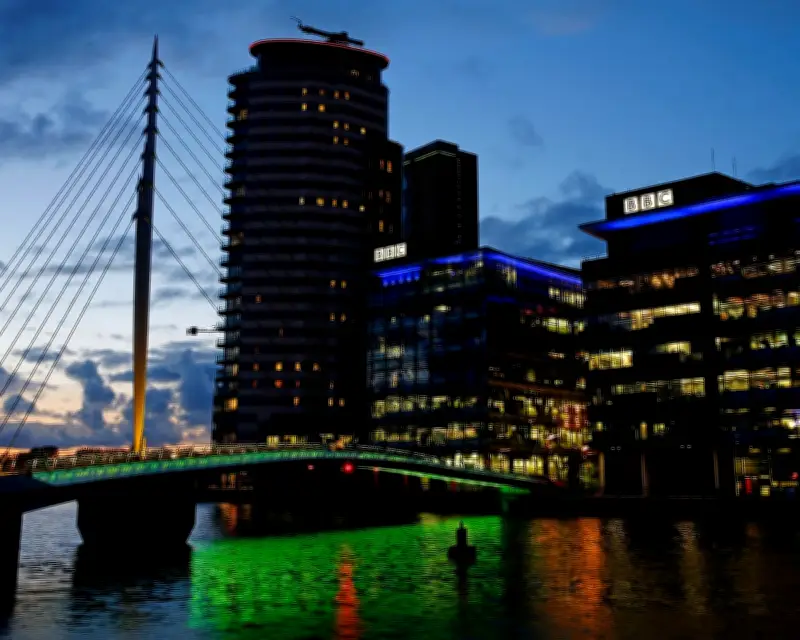
Signs of the BBC's efforts to save money have already been evident during the World Cup. The BBC has chosen to have its presenters and pundits cover the tournament, hosted in the US, Canada, and Mexico, from Salford. The new studio will then be used for Match of the Day after the tournament ends.
However, Conservative chair Kevin Hollinrake has criticized the BBC for damaging the 'viewer experience'.
The cuts demonstrate the BBC leadership's willingness to make tough decisions as they negotiate with ministers over the corporation's future, including discussions about its royal charter.
Both sides are examining whether the licence fee should be extended to include anyone who watches private streaming services. Currently, a licence fee is only required for watching live TV on any platform. Many insiders argue that the streaming revolution has made this definition outdated.
Union response
Philippa Childs, head of the Bectu union, said: 'News of impending cuts across the BBC brings the importance of a sustainable funding model into sharp focus. In the era of fake news, high-quality independent news programming is even more important and its integrity must be preserved.'
'The BBC also produces some of the best dramas, entertainment and documentaries in the world, with a uniquely British flavour. It is a necessary outpost against the homogenisation of content and a huge part of what makes British culture unique.'