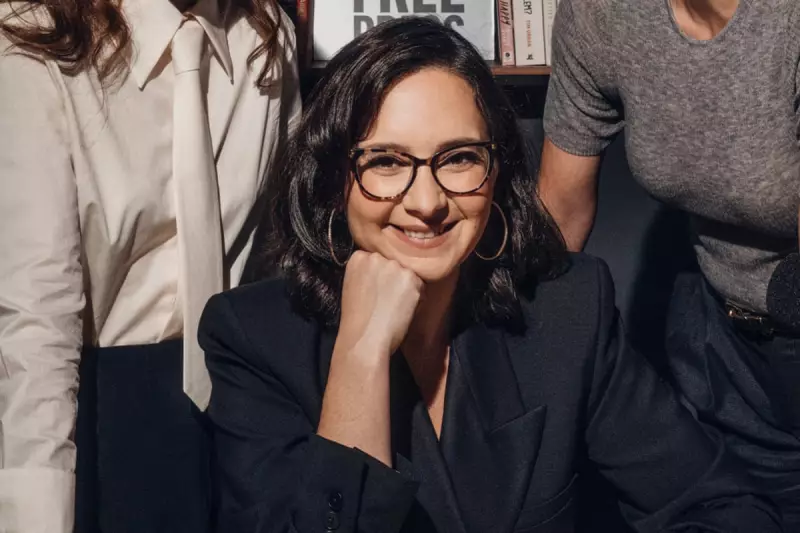
The appointment of Bari Weiss as editor-in-chief of CBS News in early October was met with deep scepticism from the outset. Lacking any prior television industry experience and taking the helm of a network with a faltering business model, she faced an uphill battle. However, her first three months have proven even more chaotic than many critics anticipated, marked by internal rebellion, public spats, and a glaring lack of strategic clarity.
A Crisis of Credibility: The 60 Minutes Controversy
The first major public crisis of Weiss's tenure erupted in late December over her decision to pull a scheduled segment of the flagship programme 60 Minutes. The report, by veteran correspondent Sharyn Alfonsi, investigated abuses at the Cecot prison in El Salvador. Weiss intervened, determining the piece had unresolved issues, notably a lack of response from the Trump administration.
The move sent shockwaves through the network. In a rare act of insubordination, Alfonsi emailed colleagues, labelling the decision as "political". The incident prompted nearly 200 former CBS News journalists and entertainment figures to draft a scathing letter to David Ellison, the billionaire who purchased Weiss's company, The Free Press, and installed her at CBS. The draft letter warned that "clumsy editorial interference" endangered the credibility and profitability of 60 Minutes, the network's "crown jewel".
Although the letter was ultimately shelved, the damage was done. The segment had already aired on Canada's Global TV, creating an embarrassing comparison for whenever CBS eventually broadcasts it. Rome Hartman, a former 60 Minutes producer, publicly backed Alfonsi, stating her explanation was "clear and compelling", unlike Weiss's.
Internal Strife and External Mockery
Internally, Weiss's leadership style has caused significant friction. Staff report she rarely joins daily editorial calls and has failed to articulate a clear vision for the network's future. "I'm constantly confused by what her definition of 'making news' is," one current staffer said. "It seems like she only cares about big names saying controversial things."
Weiss has also faced criticism from an unexpected quarter: conservative media stars normally aligned with her anti-"woke" stance. Her early town hall with Erika Kirk, widow of activist Charlie Kirk, was a ratings and advertising flop. Commentator Megyn Kelly mocked Weiss's role, while former Fox News host Tucker Carlson dismissed her as an "idiot".
Cultural clashes have surfaced internally too, including a previously unreported November dispute over language guidance for reporting on transgender individuals, highlighting the ideological tensions her appointment has ignited within the newsroom.
A Rocky Launch and an Uncertain Future
Weiss's handpicked anchor, Tony Dokoupil, launched the revamped evening news show amidst what one staffer called "chaotic" preparations. A promotional stunt sending Dokoupil to Grand Central Station yielded few recognitions. In a message to viewers, Dokoupil criticised "legacy media" for relying on academics and elites, a comment swiftly mocked online.
Despite the turmoil, some, like former CBS journalist Catherine Herridge, believe Weiss's "tough" and "smart" approach might yet succeed in affecting cultural change. Furthermore, David Ellison has shown no sign of disillusionment. Speculation even suggests her role could expand if Ellison acquires Warner Bros Discovery assets, including CNN.
For now, many CBS News employees are adopting a wait-and-see approach. As one staffer noted, "I know the mood is to stay and fight," with some hoping to simply outlast Weiss's turbulent tenure. Her promised strategic plan, expected imminently, will be a critical test of whether she can steady the ship or if the chaos will become the defining feature of her leadership.