When Fandom Fades: The Complicated Legacy of Celebrity Tattoos
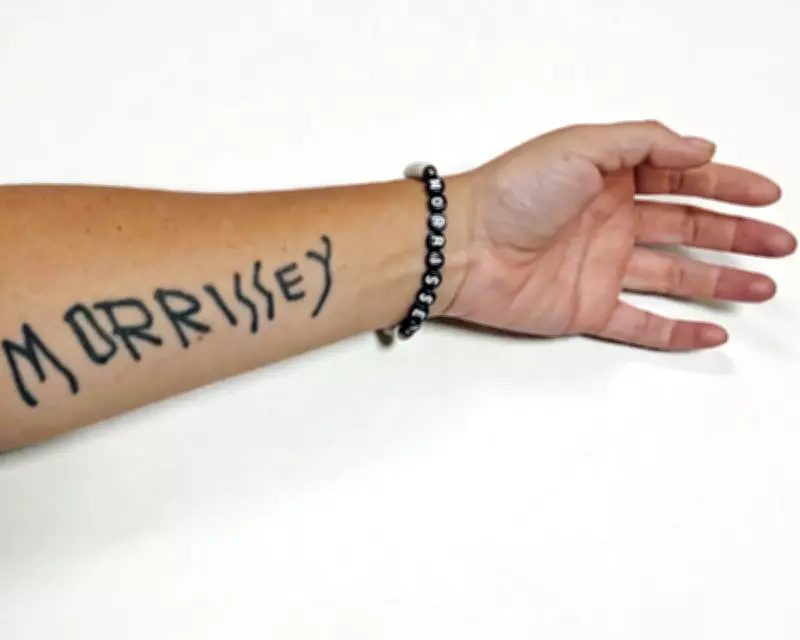
In February 2012, Coté Arias met Morrissey at a fan event in Santiago, Chile, where the former Smiths frontman signed her forearm. She later had the signature tattooed permanently, a tribute to an artist whose lyrics helped her navigate shyness and adulthood. However, in recent years, that ink has sparked difficult conversations as Morrissey has faced criticism for supporting far-right views and making inflammatory remarks on immigration, though he denies racism allegations.
The Broader Cultural Reckoning
Coté's experience is not unique; it reflects a wider trend where fans grapple with changing perceptions of their idols. Fandoms often drive extreme devotion, from collecting merchandise to enduring physical risks, a phenomenon with historical roots like the frenzy over 19th-century composer Franz Liszt. Yet, as celebrities fall from grace, tattoos become lasting reminders of past allegiances.
Stories of Regret and Removal
Many fans now face embarrassment or deeper emotional turmoil over their tattoos. Ella, who got a Pikachu tattoo in her youth, began hiding it under long sleeves after it came up in a job interview, eventually opting for painful laser removal. Grace covered a Blink-182 smiley logo with a rose, finding it slightly less embarrassing. Others, like Tim from Bristol, embrace the mishaps; his Frank Ocean-inspired "3:04" tattoo reads "hoe" upside-down, serving as a reminder of his carefree past.
Navigating Identity and Values
For some, the emotional weight is heavier. Kai, a non-binary individual from Seattle, regrets a Harry Potter tattoo after J.K. Rowling's controversial comments on trans issues, feeling "branded" by the association. Josh from Brazil is reworking a Kanye West tattoo following the rapper's antisemitic statements, echoing a trend where studios offer free removals for such ink. Dr. Paige Klimentou, an academic, covered a Brand New tattoo after allegations against the band's lead singer, highlighting the complexities of fandom in the post-#MeToo era.
Living with the Ink
Not all choose removal. Olivia Jordan from New Zealand keeps her Marilyn Manson tattoo despite abuse allegations against the musician, viewing it as a relic of her youth. Coté has renegotiated her Morrissey tattoo's meaning, arguing that fans need not agree with an artist's philosophy to appreciate their impact. This perspective allows for honoring formative fandom experiences while acknowledging evolving values.
Ultimately, these tattoos symbolize a journey through identity, loyalty, and change, reminding us that fandom's legacy can be as indelible as the ink itself.