Rare Charles Dickens Clothing and Personal Items Unveiled in London Exhibition
An extraordinary collection of rare surviving items from Charles Dickens' wardrobe and personal effects is set to captivate visitors at the Charles Dickens Museum in London. This unique exhibition provides a fascinating glimpse into the personal style and life of the iconic Victorian author, featuring artifacts that have rarely been seen by the public.
Historic Artifacts from Dickens' Final Moments
Among the most poignant items on display is the linen shirt collar worn by Charles Dickens when he suffered his fatal stroke on June 8, 1870, at his home in Gad's Hill Place. The author passed away the following day, making this collar a powerful relic from his final hours. After Dickens' death, this historic piece was owned by Bransby Williams, a celebrated actor and music hall performer renowned for his portrayals of characters from Dickens' novels.
A Window into Dickens' Flamboyant Style
The exhibition showcases Dickens' only surviving suit, including his black silk stockings, which he wore to a formal reception at St. James's Palace on April 6, 1870. At this event, Dickens met Edward, Prince of Wales, and famously described the ensemble as "fancy dress." The display also includes a set of six silver razors with ivory handles used for his daily shave, a perfume bottle, silver candle snuffers, and a gold locket containing photos and locks of hair from Dickens and his son, Henry.
Emma Harper, deputy director at the Charles Dickens Museum, emphasized the significance of these items: "Among all of the many qualities, passions and character quirks of Charles Dickens, we know that he was a real dandy. This makes it all the more frustrating that so few items of his clothing survive but renders our collection of clothing and accessories especially precious. When paired with the many eyewitness reports of his flamboyance, those items that do remain can give us a real insight into his snappy style."
Visual Evidence of Dickens' Dandyism
The exhibition is enriched by visual materials that corroborate Dickens' reputation as a flamboyant dresser. A colourised photographic portrait from June 1858, originally by Herbert Watkins and restored in 2020 by Oliver Clyde, depicts Dickens standing at a desk with his right hand on his hip, wearing an eye-catching ensemble complete with a gold watch and chain. This outfit matches descriptions from his 1842 American tour, where Elizabeth Wormeley noted his "conspicuous" dress, including "two velvet waistcoats, one of vivid green, the other brilliant crimson," adorned with a "profusion of gold watch-chain."
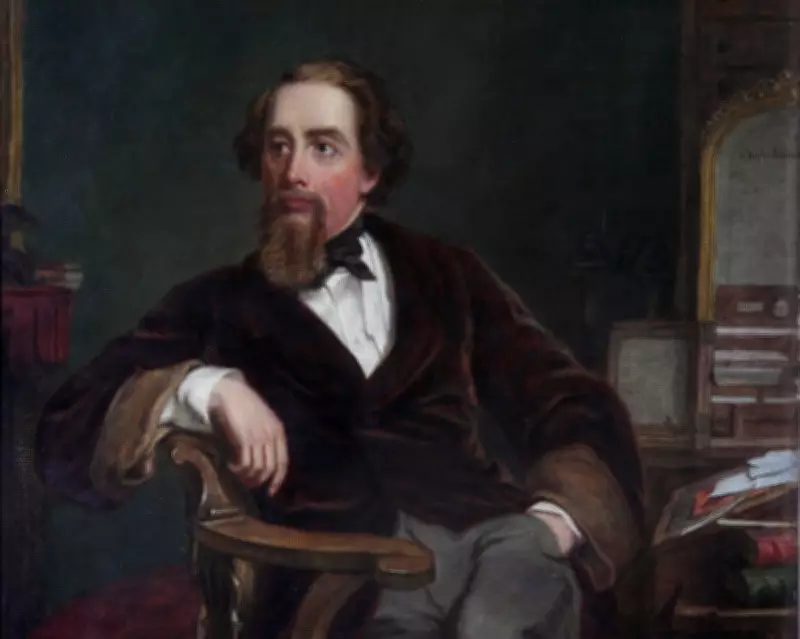
Additionally, a portrait by William P Frith shows Dickens in a specially made velvet jacket, further highlighting his attention to fashion. These images, combined with the physical artifacts, paint a vivid picture of Dickens as a snappily dressed dandy who took pride in his appearance.
Historical Context of the Museum
The exhibition is hosted at the Charles Dickens Museum, located at 48 Doughty Street in Bloomsbury, which is the only surviving London house where the author lived. Dickens moved into this home in 1837 with his growing family, at a time when he was a budding author. By the time he left, he had achieved world fame, having written successful novels such as The Pickwick Papers (1837), Oliver Twist (1838), and Nicholas Nickleby (1839) there.
The display opens to the public on Wednesday, March 11, offering a rare opportunity to explore the personal side of one of literature's greatest figures. Through these intimate items, visitors can gain a deeper understanding of Charles Dickens not just as a writer, but as a man of style and substance.