Rediscovering Artistic Passion Through Oil Painting Classes
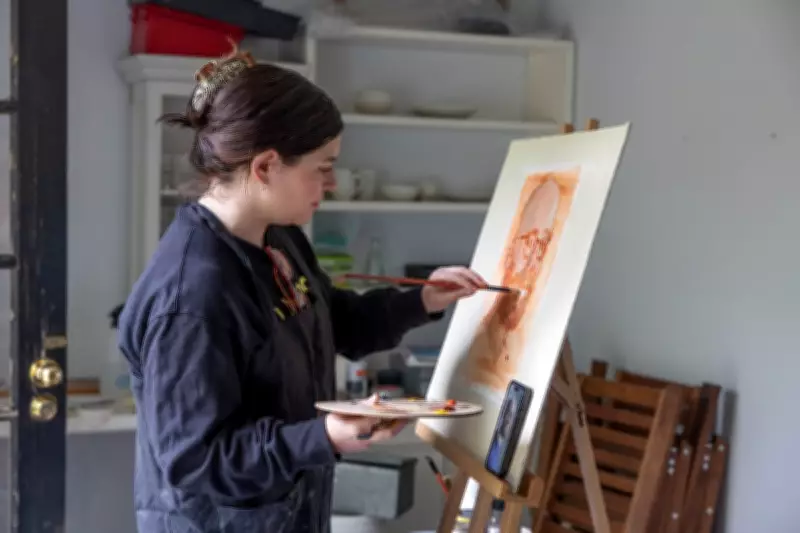
As a professional arts journalist, I recently embarked on a personal journey that took me back to my creative roots. After years of writing about art from a distance, I enrolled in a twelve-week oil painting course, determined to reconnect with the tactile joy of creation that had captivated me since childhood.
Childhood Inspiration and Creative Disconnection
My artistic journey began at age five with three primary passions: fairies, the Spice Girls, and Vincent van Gogh. While many children might find Van Gogh's tragic story intimidating, I discovered him through an unexpected medium - a picture book called For the Love of Vincent by Brenda V Northeast. This charming adaptation featured Vincent as a teddy bear rather than a troubled Dutch painter, making his vibrant, expressive art accessible to my young imagination.
This childhood fascination manifested in memorable ways, including dressing as "Vincent Van Bear" for Book Week, much to the confusion of classmates and teachers alike. For years, painting remained pure joy - a finger-painted celebration of color and form without judgment or expectation.
Everything changed in high school when art became a graded subject. The transition from personal expression to evaluated performance transformed painting from pleasure to terror. As I learned more about artists' turbulent lives, I began believing that artistic excellence belonged to people who experienced life more intensely than I ever could. This assumption, combined with the fear of judgment, eventually led me to abandon painting altogether.
The Return to Creativity Through Oil Painting
Years later, while writing about art professionally, I felt a persistent urge to create rather than just critique. I specifically wanted to learn oil painting - a medium that carried historical prestige and technical challenge. My goal was twofold: master basic painting techniques while learning to accept being imperfect at something difficult.
I committed to four-hour Sunday sessions, beginning with fundamentals that many experienced artists take for granted. We studied color theory, composition, drawing techniques, and the crucial art of paint mixing. Our instructor maintained strict standards, only allowing students to begin painting after approving their properly mixed palettes.
The curriculum progressed through various artistic forms including abstraction, landscape, and portraiture. We learned through careful replication, studying masters like John Singer Sargent and Anders Zorn. One particularly challenging exercise involved painting a Sargent portrait entirely in black and white, while another required recreating Zorn's portrait of Martha Dana using his famous four-color "Zorn palette" - renowned for its simplicity and portrait effectiveness.
Embracing the Struggle of Learning
The most valuable lesson emerged gradually: finding genuine pleasure in creative struggle. I didn't immediately excel at oil painting, and one particularly frustrating session involved three miserable hours attempting to render a satin ribbon's subtle textures. I left class in a foul mood, angry at my inability to master something difficult and equally frustrated with my own impatience.
Returning the following week brought unexpected perspective. My ribbon painting, while imperfect, showed legitimate progress for a first attempt. More importantly, I recognized that I had learned practical skills - including the realization that fabric painting challenged me specifically - and that improvement would come through continued practice rather than instant mastery.
Another revealing moment came weeks later when assigned to paint a white sheet against a white background. This exercise taught me that art instructors can be demanding taskmasters, pushing students beyond comfortable boundaries to develop observational precision and technical control.
Rebuilding Creative Confidence
Completing the twelve-week course provided enough foundational confidence to paint independently without supervision or specific goals. Each week, I brought home my previous efforts and displayed them on the refrigerator - a nostalgic nod to my five-year-old self who would have done exactly the same.
This simple refrigerator gallery has become an unexpected tool for personal growth. When visitors notice my paintings and ask questions, I'm gradually learning to discuss my work without self-consciousness. This process feels genuinely character-building, transforming how I approach creative challenges both in and out of the studio.
While my artistic journey continues, I've rediscovered the essential truth that creative expression doesn't require exceptional talent or dramatic life experience. Sometimes, it simply requires showing up, embracing difficulty, and remembering that even Vincent van Gogh - whether man or bear - started somewhere.