A recent flurry of correspondence in the Guardian has sparked an unexpected and lively debate about art, fashion, and local history, proving that readers' letters remain a treasure trove of insight and wit.
An Unlikely Artistic Comparison
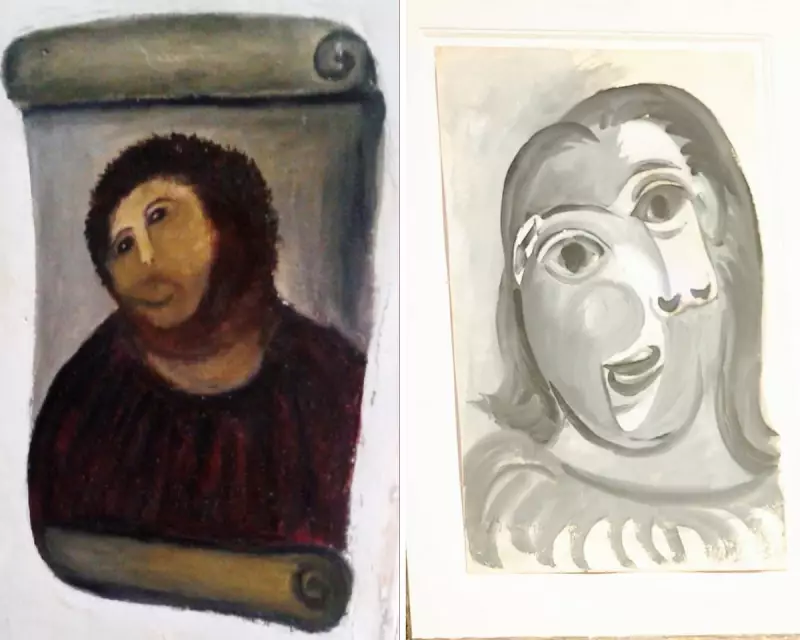
One reader has provocatively suggested that a notorious botched restoration deserves a fresh critical eye. Steve Shearsmith from Beverley, East Yorkshire, noted a striking similarity between two images featured in the paper in late December. The first was the 'Ecce Homo' fresco, infamously restored by Cecilia Giménez in 2012, which became globally known as 'Monkey Christ'. The second was Pablo Picasso's 1941 watercolour, 'Tête de Femme'.
Shearsmith's observation, made following the news of Giménez's death at 94 and a charity raffle for the Picasso, poses a fascinating question: could the maligned work of the Spanish octogenarian be due for a dramatic reappraisal, perhaps even standing shoulder-to-shoulder with a modernist master?
Fashion, History, and Humour
Elsewhere in the letters pages, other readers shared their eclectic discoveries and opinions. Valerie Lewis, 88, from Wantage, Oxfordshire, expressed delight at finding herself a fashion trendsetter, having championed the practical quarter-zip jumper for a quarter of a century. She praised its simplicity and versatility, from a warm rollneck to a breezy open collar.
Historical curiosities also took centre stage. Robert Tilleard from Tisbury, Wiltshire, pointed to a wall inscription in Isle Abbotts, Somerset, which reads: "On this Spot on 12 June 1761 Nothing Happened". This playful marker appears to debunk any link to calendar changes, unless rural Somerset was remarkably behind the times.
Meanwhile, Brian Ferris of Tunbridge Wells, Kent, reported a wonderfully anachronistic English Heritage-style plaque in Long Itchington, Warwickshire. It commemorates one "Jacob von Hogflume, 1864-1909, inventor of time travel", who allegedly lived in the house in the year 2169.
Linguistic Roots of Chaos
Finally, the etymology of a modern sporting term was traced back to the stage. Bridget Marrow from Pinner, London, clarified that the cricketing term "six-seven" is a revival of the much older phrase "at sixes and sevens", meaning a state of confusion or disorder. The phrase was notably used in Gilbert and Sullivan's comic opera, 'HMS Pinafore', long before it described a chaotic over in a cricket match.
These letters collectively highlight the enduring power of public discourse to connect disparate ideas, from high art to village humour, and to find new perspectives in the most unexpected places.