The Enduring Spectacle of Finding 007
Five years after Daniel Craig's definitive final appearance as James Bond in No Time to Die, the search for his successor continues unabated. What began as routine casting has transformed into a sustained media phenomenon, with the hunt for the next 007 becoming arguably the franchise's most effective marketing tool between film releases.
The Ever-Changing Frontrunners
The race to crown the new Bond has become its own long-running drama. Callum Turner recently enjoyed a brief tenure as bookmakers' favorite before being supplanted by Jacob Elordi, whose performance in Wuthering Heights catapulted him to the top of speculation lists. Meanwhile, Aaron Taylor-Johnson, once considered the heir apparent with endorsements from former Bonds Pierce Brosnan and George Lazenby, has seen his prospects diminish.
This revolving door of potential candidates includes numerous British actors who have been rumored or seriously considered over the years:
- Tom Hardy and Idris Elba, both now potentially aged out of consideration
- Theo James and James Norton
- Josh O'Connor and Harris Dickinson
- Rége-Jean Page of Bridgerton fame
- Countless other actors meeting the unofficial criteria of box office success, television drama leadership, or simply looking convincing in formal wear
A Calculated Tradition of Speculation
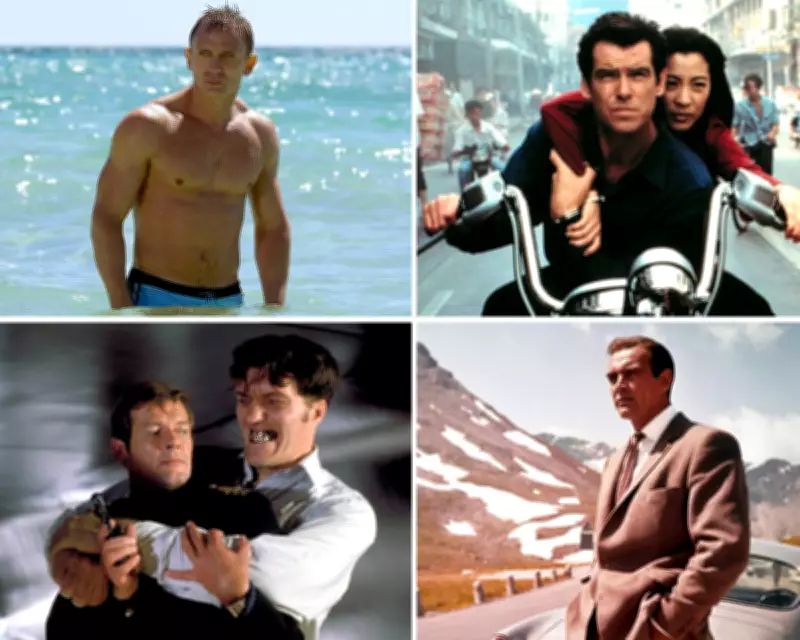
The deliberate cultivation of Bond casting speculation dates to the franchise's earliest days. The first Bond film was preceded by a public contest announced in the Daily Express seeking a man with specific physical attributes including a six-foot height, English accent, and "a determined chin." While winner Peter Anthony possessed the right look, his lack of acting experience led producers to ultimately select Sean Connery after debates between creator Ian Fleming's preference for "suaveness" and producer Cubby Broccoli's desire for "a ballsy guy."
When Connery initially departed, producers reportedly auditioned 400 potential replacements before selecting George Lazenby, an Australian former car salesman discovered in a chocolate advertisement. The tradition continued with Roger Moore's logical casting following his similar role in The Saint television series, and the famously complicated situation with Pierce Brosnan, whose commitment to Remington Steele initially prevented him from accepting the role that eventually went to Timothy Dalton.
The Modern Media Machine
The search for Bond intensified dramatically in the mid-1980s as celebrity news gained prominence in tabloids and entertainment publications. Bookmakers capitalized on this interest, offering novelty bets on potential Bonds including Kenneth Branagh, Lenny Henry, and even Emma Thompson at various odds.
The internet era amplified speculation exponentially, with chatrooms and tabloids generating lists of rumored candidates that reportedly reached 72 names in Eon Productions offices, including unconventional suggestions like "a dwarf and two women." Daniel Craig's controversial casting announcement via Thames speedboat stunt generated negative headlines and online boycott campaigns, though producers were ultimately vindicated by the spectacular success of his tenure.
Strategic Patience in the Current Search
The extended delay in naming Craig's replacement reflects both the franchise's transition of creative control from longtime stewards Barbara Broccoli and Michael G. Wilson to MGM and parent company Amazon, and strategic recognition that the speculation itself maintains public interest. The breathless media coverage ensures Bond remains culturally relevant even without new film releases, transforming what might seem like indecision into sustained marketing momentum.
As the search continues, the franchise benefits from what has become a self-perpetuating cycle of anticipation. Each new rumor, bookmaker adjustment, or industry whisper reinforces Bond's status as cinema's most coveted role while guaranteeing the character remains in public consciousness regardless of production timelines. The hunt for 007 has evolved from mere casting process to essential franchise maintenance, proving that sometimes the journey generates as much excitement as the destination.