The Decline of Hard-Hitting Interviews: Celebrities Interviewing Celebrities
In today's media landscape, a troubling trend is emerging: the biggest names in Hollywood and beyond are increasingly choosing to be interviewed by their peers rather than professional journalists. This shift is leaving many more revealing and probing questions on the table, as celebrities engage in mutual admiration sessions that prioritize charm over challenge.
The Rise of Celebrity-on-Celebrity Interviews
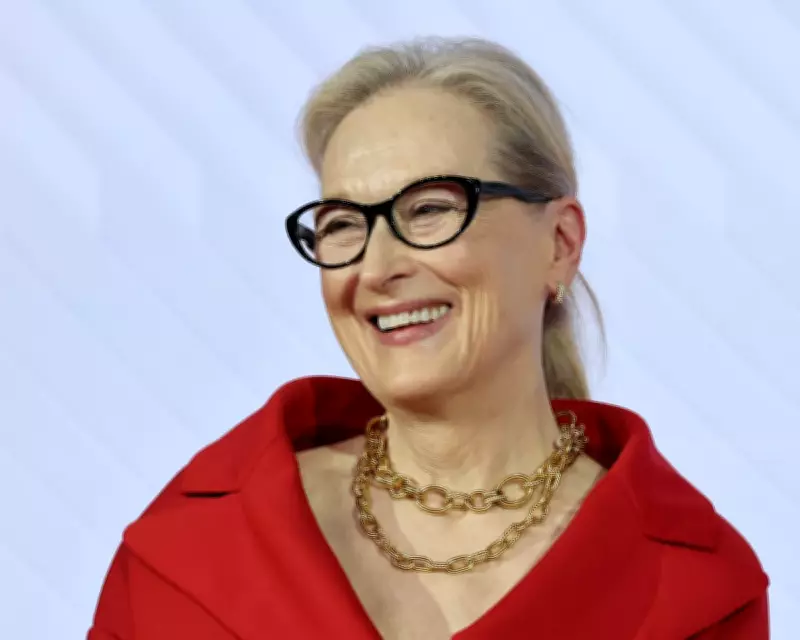
This phenomenon is not entirely new, but it has gained significant momentum in recent years. For instance, a recent Vogue piece featured Meryl Streep in conversation with Anna Wintour, moderated by Greta Gerwig—all celebrities themselves. The writer, Chloe Malle, described her role as akin to a "court stenographer," highlighting how journalists are often relegated to passive observers in these setups. Similarly, Interview magazine has long thrived on pairing celebrities for friendly chats, and Variety's Actors on Actors series pairs stars like Adam Sandler with Ariana Grande, offering viral clips but little substantive insight.
These interviews often devolve into compliment trades, with celebrities avoiding discomfiting subjects for their friends and peers. As a result, viewers are left undernourished, missing out on the depth and accountability that professional interviewers can provide. This trend reflects a broader cultural shift where spontaneity and risk are minimized, and controlled, affirming conversations become the norm.
The Impact on Journalism and Accountability
The move away from professional interviewing has serious implications for media integrity. When CEOs or influential figures are allowed to "grill" each other in settings like CNN's 1 on 1 series, it creates a echo chamber where tough questions are sidestepped. A spokesperson might claim these conversations are "refreshingly direct," but without independent scrutiny, they often serve to protect elite interests rather than hold them accountable.
This obsequiousness is not limited to entertainment; it bleeds into areas with real-world consequences, such as business and politics. For example, when wealthy businesspeople interview each other, it can obscure issues like corporate responsibility or economic inequality. The media's role in providing balanced, critical coverage is undermined, and the public is left with sanitized narratives that lack journalistic rigor.
Historical Context and Cultural Shifts
This trend has antecedents in late-night television and podcasts. Jimmy Fallon's Tonight Show, for instance, replaced substantive interviews with playful games and sketches, initially refreshing after years of Jay Leno's formulaic approach. Similarly, Amy Poehler's Good Hang podcast offers simulated intimacy with celebrity friends, but it often avoids hard-hitting topics. These formats thrive on chumminess and spontaneity, as seen in Saturday Night Live hosting gigs, where guests are carefully curated to look good.
However, the downside is that genuine, spontaneous moments become rare and risky. When Jack White made an offhand comment to the Guardian about his musical process, it sparked online controversy—a scenario less likely in a celeb-on-celeb interview where topics are pre-approved. This fear of backlash drives many public figures to prefer friendly setups, further eroding the space for candid dialogue.
The Future of Interviewing
Ultimately, while celebrity-on-celebrity interviews can be entertaining, they often fail to deliver the insight and accountability that professional journalism offers. As this trend spreads into biopics and documentaries—like Sofia Coppola's film on her friend Marc Jacobs—it risks normalizing a culture of uncritical admiration. The media must resist becoming mere furnishings for the rich and powerful, and the public should demand more than superficial exchanges masquerading as journalism.
In an era where ultra-rich individuals wield unprecedented influence, it is crucial to preserve the art of the big star interview—one that challenges, probes, and reveals, rather than simply affirms. By supporting skilled interviewers and valuing hard-hitting questions, we can ensure that media remains a tool for accountability, not just entertainment.