Bombay Beach Biennale: A Decade of Desert Art and Existential Questions
Nestled in the stark landscape of Bombay Beach, a small desert town near California's Salton Sea, an unconventional arts festival has flourished against all odds. The Bombay Beach Biennale, now marking its 10th anniversary, has transformed from an intimate gathering into a significant cultural phenomenon, all while confronting the challenges of its own growing popularity.
An Unlikely Setting for Artistic Revolution
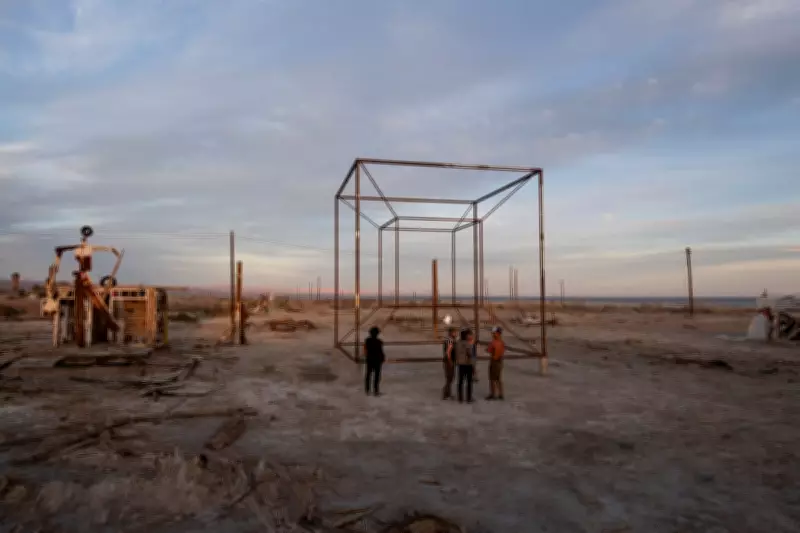
Bombay Beach presents a surreal backdrop for any large-scale event. Located over 150 miles east of Los Angeles and sitting 235 feet below sea level, this visibly impoverished town experiences scorching heat even in March. The decaying scent from the nearby Salton Sea—a dying inland lake created by an irrigation engineering disaster over a century ago—permeates the air. Yet, this very environment has become integral to the Biennale's identity.
The festival represents both a product of this bizarre, once-forgotten setting and a creative response to it. Conceived as part counter-culture arts movement, part cultural and environmental revitalization effort, the Biennale proudly maintains its outsider status while forging connections with Bombay Beach's 231 permanent residents.
The Evolution of a DIY Dream
What began a decade ago as a small, intimate event with approximately one hundred participants has grown dramatically. This year's 10th anniversary celebration attracted 150 artists alongside thousands of volunteers and festival-goers, though exact numbers remain elusive due to the event's intentionally informal nature.
The atmosphere remains steadfastly DIY, analog, and bohemian. With no nearby hotels, attendees must camp or stay in trailers and campers. The festival eschews merchandise and advertising, striving instead for organic sustainability without visible commercial influences.
During the festival's final Saturday night, flame tree sculptures—large metal contraptions shooting fire into the air—and enormous neon cubes illuminated the beach and neighboring art installations. Impromptu processions of tiny art cars and wildly costumed individuals paraded along the old berm separating the town from the Salton Sea. Repurposed, derelict-looking buildings housed a popular jazz bar, a Turkish coffee house, and several dance clubs. For more sophisticated entertainment, hundreds enthusiastically attended open-air opera and avant-garde ballet performances.
Growing Pains and Security Concerns
Despite its success, the Biennale now faces significant challenges. Questions arise about whether the festival has become a victim of its own success, growing too large to sustain its original DIY atmosphere. Organizers explicitly reject comparisons to commercial festivals like Coachella or Burning Man, yet concerns mount about partying getting out of control.
A recent incident highlights these worries: on a Friday night, a drunken visitor sped the wrong way down a one-way street with a passenger riding on the vehicle's roof. The resulting crash left the woman gravely injured, requiring air transport to a hospital an hour away. This incident prompted the festival to hire private security for the first time, at considerable expense.
Philosophical Foundations and Community Impact
The original 2016 Biennale emerged from the collaborative vision of Tao Ruspoli, Lily Johnson White, and Stefan Ashkenazy. These founders have curated the festival's growth while maintaining its anti-establishment roots. The event remains free, unticketed, with dates deliberately unpublished online to limit attendance to friends of organizers and those learning through word-of-mouth.
Ruspoli, a Los Angeles-based filmmaker and philosopher, sees Bombay Beach as a microcosm of America's stark challenges. "In Bombay Beach everything that can go wrong in the world has gone wrong; that's why people most describe it as apocalyptic or post-apocalyptic," he explains. "You have climate change, environmental collapse, severe poverty, and contaminated water. The beauty of the apocalypse is that it exposes all the problems of our culture and then asks the question, what's next?"
Each Biennale explores different somber philosophical themes with apocalyptic undertones. This year's festival centered on "Year X: The Last Judgement," while previous themes included "Art of Decay" and "God's Silence." Despite these weighty topics, the overall vibe remains lighthearted and fun, with attendees in bathing suits navigating town on bikes and scooters, seeking refuge from the desert sun in indoor art performances, film screenings, or a giant above-ground livestock pond.
Balancing Growth with Intimacy
Founders and organizers now recognize the need for change to address overcrowding and minimize negative impacts on local residents. Ruspoli notes that cultural events like ballet and opera were intended to bring arts access to locals who typically lack such opportunities, but overcrowding now often excludes them.
"We're evolving as a community," says Dulcinee DeGuere, the Biennale's systems architect and producer. "We love all of our guests, and we're so happy they get to experience what we experience. But we're just going to invite them to come throughout the season, instead of inviting everybody at the same time."
A Legacy of Creative Resilience
Regardless of future challenges, Ruspoli expresses pride in what this unique festival has accomplished. "I'm so amazed that this experiment caught on at all," he reflects. "I feel like we had a little kindling on a windy campsite and we didn't know if it was going to actually take off. Miraculously, it did. I'm very grateful to the hundreds of people who have made this weird dream a reality."
As the Bombay Beach Biennale enters its second decade, it stands as a testament to creative resilience in unlikely places, even as it navigates the complex balance between preserving its DIY spirit and managing its hard-won popularity.