Bafta Judge Resigns in Protest Over 'Utterly Unforgivable' Handling of Racial Slur Incident
In a dramatic turn of events, a prominent black British film-maker has announced his resignation from the Bafta emerging talent judging panel, citing the organisation's "utterly unforgivable" response to a racial slur incident during Sunday's awards ceremony. Jonte Richardson, a respected industry figure, made the decision public on LinkedIn, expressing deep disappointment with Bafta's failure to safeguard the dignity of its black guests and the broader creative community.
Incident Details and Immediate Fallout
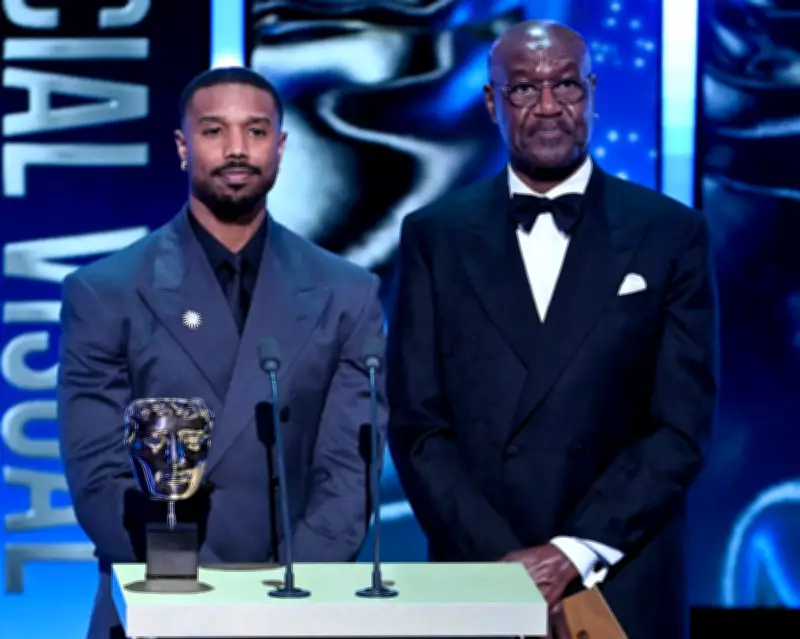
The controversy erupted when John Davidson, a Tourette syndrome campaigner whose life story inspired the acclaimed film I Swear, shouted the N-word from the audience as actors Delroy Lindo and Michael B Jordan presented the special visual effects award. Despite prior briefing to in-person attendees about Davidson's potential outbursts, the BBC's televised broadcast, which aired with a two-hour delay, failed to edit out the slur or include the forewarning, sparking widespread outrage.
Richardson, in his resignation statement, highlighted the harm inflicted on both the black and disabled communities, noting Bafta's "long history of systemic racism" and its refusal to offer an appropriate apology. He emphasised that remaining involved would condone such behaviour, even as he praised the incredible black talent in this year's cohort, including his favourite show of 2025, Just Act Normal.
Industry and Political Backlash
The backlash has been swift and severe, with key figures across the film industry and political spectrum condemning the handling of the incident. Labour MP Dawn Butler shared a letter on X demanding an urgent explanation from the BBC's acting director general, Tim Davie, questioning why the slur was aired while other content, such as a "Free Palestine" call and a joke by host Alan Cumming, was edited out. Butler described the pain inflicted on Lindo and Jordan, who composed themselves professionally despite the shock, as "unforgivable."
Conservative leader Kemi Badenoch echoed these sentiments, stating on ITV's Good Morning Britain that the N-word "should have been bleeped" and labelling the BBC's oversight a "horrible mistake." The New Black Film Collective criticised the BBC's initial broadcast as "a disgrace" and deemed its later upload of an edited version inadequate, given the widespread online circulation of the offensive clip.
Apologies and Ongoing Criticism
Bafta issued a lengthy apology on Monday evening, taking "full responsibility" for putting guests in a difficult situation and vowing to "learn from this" while keeping inclusion at its core. The statement apologised unreservedly to Jordan and Lindo, thanking them for their dignity and professionalism, and also acknowledged Davidson for his consideration. However, many found the apology insufficient, with critics like production designer Hannah Beachler calling it "throwaway" and the New Black Film Collective arguing it diminished the reality of racism.
Davidson himself expressed deep mortification, clarifying that his tics were involuntary and meant no harm, and he left the auditorium early to avoid further distress. Meanwhile, reports indicate that neither Lindo nor Jordan received direct outreach from Bafta post-incident, with Lindo reportedly wishing for communication at an afterparty.
Broader Implications and Calls for Action
The incident has reignited discussions about systemic issues within Bafta and the BBC, with calls for comprehensive reviews and meaningful action to prevent future racial harm. The New Black Film Collective urged both organisations to ensure black artists and audiences are protected, highlighting the need for better protocols and sensitivity in handling such situations. As the dust settles, the row underscores ongoing challenges in balancing inclusivity with live broadcasting, leaving a lasting impact on the industry's reputation and trust.