Art UK's Digital Milestone: 1 Million Public Artworks Catalogued Online
The charity Art UK has announced a significant achievement in its mission to digitise the United Kingdom's vast public art collections, reaching one million entries in its comprehensive online database. This milestone coincides with the appointment of Ben Terrett as the new chair of the organisation, which is marking its tenth anniversary of building this extensive digital resource.
From Rodin to Crumpled Paper: The Diversity of Public Art
The database showcases an astonishing variety of artworks accessible to the public across the nation. Examples range from a bronze sculpture of the naked Eve by Auguste Rodin located outside a Nando's restaurant in Harlow to over six thousand works by the renowned painter JMW Turner. Even unconventional pieces like a crumpled ball of A4 paper owned by Manchester Art Gallery find their place in this eclectic collection.
Ben Terrett, the newly appointed chair and former director of design for the UK government, emphasised that this achievement merely scratches the surface of what exists. "We've only scratched the surface," Terrett stated, highlighting the ongoing nature of their cataloguing efforts.
Expanding Beyond Paintings to Create an Encyclopedic Resource
Art UK began with the focused goal of digitally cataloguing the UK's paintings but has since expanded dramatically. The database now includes drawings, watercolours, ceramics, sculptures, stained glass, banners, architectural drawings, and street murals. This transformation has created a massive, encyclopedic, and engaging resource that invites users to explore countless artistic rabbit holes.
For instance, searching for the term "mosquito" reveals fifty-three different listings. These range from detailed technical drawings of actual mosquitoes to paintings depicting de Havilland Mosquito planes from the Second World War, and even a sculpture in a North Yorkshire forest honouring the Women's Timber Corps—lumberjills who harvested wood used in manufacturing these aircraft.
Raising Awareness and Accessibility for Hidden Collections
Terrett believes the database remains an incredible yet underappreciated resource that deserves broader recognition. "It's a great thing," he remarked. "It is one of those ideas that you're really glad it exists because if it didn't, you'd think somebody should do that." As chair, one of his primary objectives is to enhance the profile of Art UK, ensuring more people discover its offerings.
He pointed out that while institutions like the Tate are well-known, numerous other public spaces house significant artworks that often go unnoticed. "There's loads of other places like hospitals and council buildings … places like that are public and have incredible artworks in them that people don't get to see or don't know exist," Terrett explained. The database particularly highlights how many artworks remain unseen, languishing in storage facilities across the country.
Personal Passion and the Challenge of Creative Education
Terrett's commitment to widening access to the arts stems from his personal background. Growing up in a small village in Wiltshire without local museums or art galleries, he relied on a comprehensive school with a dedicated art teacher to foster his interest. "I went to a comprehensive school with a great art teacher and a great art department but you very much had to push yourself to find out more about this stuff," he recalled.
He expressed concern that accessing creative education has become even more difficult for children today, noting that "creative education in state schools has been decimated." Despite these challenges, there is encouraging evidence that interacting with the Art UK database motivates individuals to visit galleries in person, bridging the digital and physical art worlds.
Recent Additions and Future Ambitions
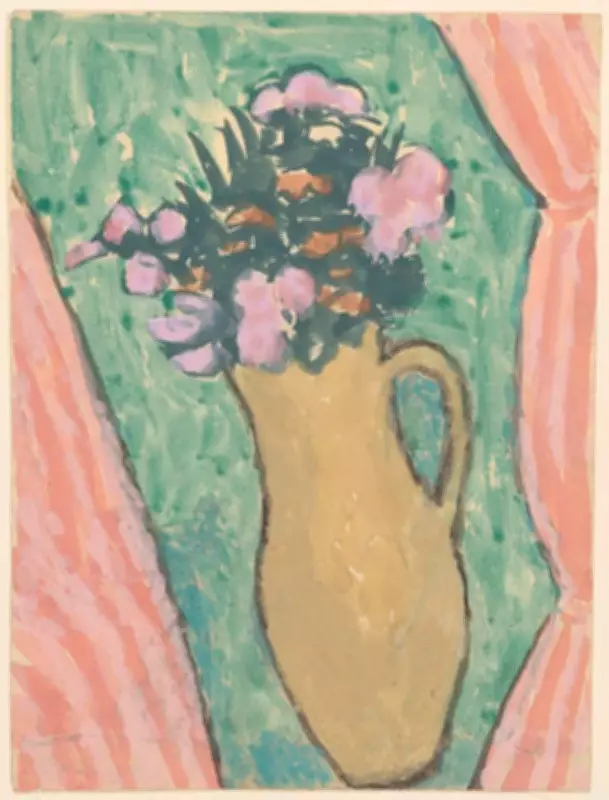
Recent contributions that helped achieve the one-million milestone include a 1951 stencil by Henri Matisse at the University of Lancaster, a flower painting by Gwen John at National Museum Cardiff, a Venice canal scene by Mary Hagarty at the Victoria Art Gallery in Bath, and a portrait titled Reverie by David Foggie at the University of Dundee.
The board of Art UK has expressed enthusiasm for Terrett's fresh perspectives, anticipating that his insights will help the charity "reach new audiences, embrace new technologies and creative opportunities, build its income base, its international profile and its following."
Terrett remains a steadfast believer in the positive potential of the internet, a conviction that underpins his work with Art UK. "It's hard to believe that these days. It's hard to hold on to that belief. But it still is. I think in the world it's still a net positive. And this is just a really nice example of where the internet really is doing good," he concluded, affirming the transformative impact of digital access to art.