Britain's Youth Clubs Make a Radical Return with £500m Government Investment
In a bold move to reverse a decade of austerity, the UK government has launched a £500m strategy to renew youth services, promising to rebuild over 1,000 closed centres. This initiative, known as the Youth Matters strategy, marks the first national youth plan in 15 years and aims to create 50 Young Futures hubs across the country.
Preston's Vault Youth Zone: A Civic Beacon for the Young
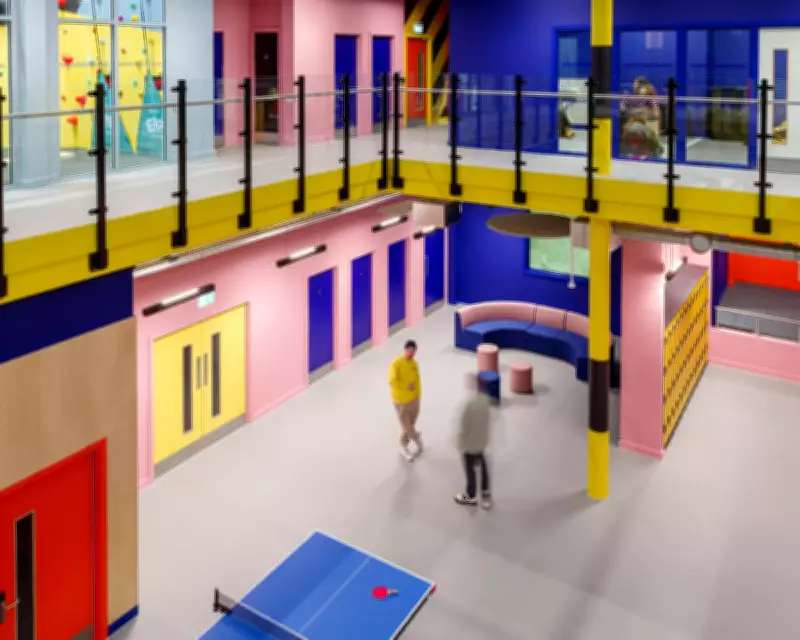
Preston, Lancashire, is at the forefront of this revival with the newly completed Vault Youth Zone. Designed by John Puttick Associates for the charity OnSide, this facility stands opposite the city's iconic brutalist bus station, blending playful aesthetics with civic pride. The building features a folded concrete facade, yellow and black columns, and interiors by Ben Kelly, designer of Manchester's legendary Haçienda nightclub.
Inside, Vault offers a double-height central space with a cafe, gaming area, football pitch, music rooms, and a climbing wall, all flooded with natural light. John Puttick emphasizes that the design aims to be aspirational, fostering a sense of community and belonging for young people aged 8 to 18, or up to 25 for those with additional needs.

Historical Context and Modern Challenges
Emma Warren, author of Up the Youth Club, notes that the UK has a history of building beautiful youth centres, with 300 constructed between 1960 and 1968 following the Albemarle report. However, recent years have seen a 73% drop in local government spending on youth services since 2010-11, leading to widespread closures.
Today, half of UK young people spend most of their free time in their bedrooms, highlighting the urgent need for dedicated spaces. Warren argues that youth work now focuses on getting young people out of isolation, as it poses significant risks to their well-being.
Tower Hamlets: A Grassroots Approach to Youth Services
In Tower Hamlets, London, a pilot area for the new strategy, the council has opened a girls-only youth centre in response to user demographics that were 70% male. The centre, designed based on surveys from local girls, features a pastel colour scheme, sofas, and fairy lights. Fourteen-year-old Amaira Katyal, deputy young mayor, expressed excitement about having a space where young women can "come and just be."
Executive Mayor Lutfur Rahman, who grew up attending youth centres, emphasized their importance in providing safe environments for homework and socializing. The borough, with the youngest median age in the country, has been working to open a youth space in every ward over the past two years.
Design and Community Impact
Architects and designers stress that while buildings like Vault send a powerful message, not all communities can afford such monuments. Larry Botchway of POoR Collective highlights that safe, free spaces are essential for showing young people they are valued community members.
Caspar Rodgers of Alma-Nac architects, behind the 68 Erith Hub in Greater London, cautions that design alone cannot solve social issues. He hopes the new hubs will balance managed provisions with spaces for informal interaction, focusing on creating great places for young people to spend time together.
Looking Ahead: The Future of Youth Services
The government's strategy includes eight pilot hubs in cities like Nottingham, Manchester, and Bristol, aiming to integrate mental health support, employment skills, and arts activities. For areas like Tilbury, Essex, where John Puttick's next youth centre is planned, any provision will be a significant improvement in tough environments.
As the UK moves forward, the revival of youth clubs represents a utopian vision for reconnecting young people, with lessons from history guiding modern designs. The success of these initiatives will depend on sustained funding and community engagement, ensuring that safe spaces become a reality for all.